
Trees
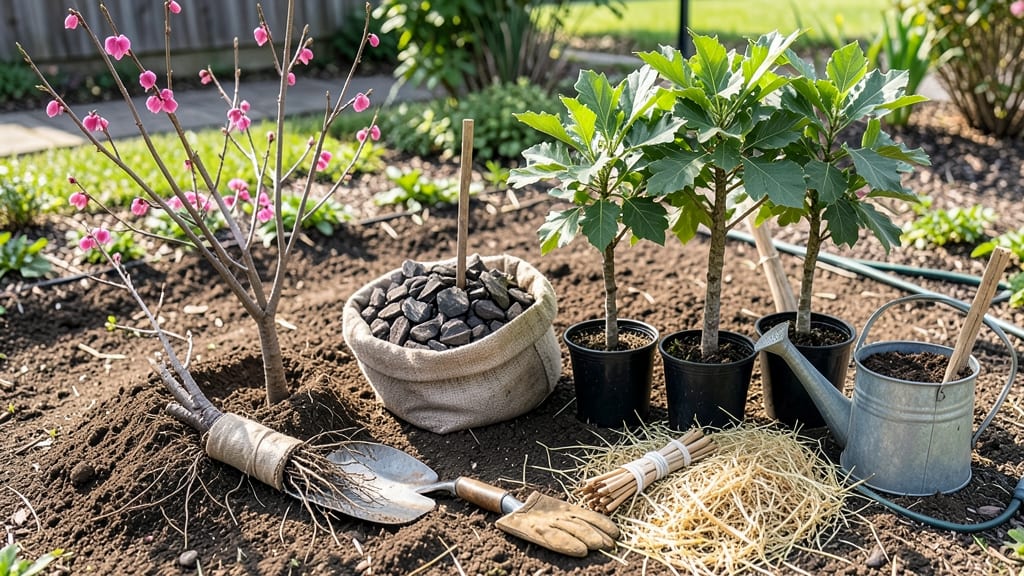
If you're wondering "when is the best time to plant trees in North Texas", the answer isn't just "spring" - it's actually a two-season window that gives your 🌳 a fighting chance against our brutal summers and unpredictable winters.
Most gardeners assume spring is the only safe bet, but in North Texas' 7b-8a climate, fall planting actually gives trees a head start on root growth before the heat arrives. Think about it: why struggle with transplant shock when you can let nature do the work for you?
I've seen firsthand how trees planted in October through December or February-March take off compared to those stuck in summer's scorching winds. The secret lies in cooler temps and consistent moisture - perfect conditions for establishing strong roots before the real challenges hit.
Ready to skip the guesswork? Let me walk you through the exact months that work best for different tree types in our region, plus the critical prep steps that make all the difference between a thriving tree and a sad investment.
North Texas tree planting calendar: best months by tree type
North Texas' USDA Zones 7b-8a and hot summers create a unique challenge for tree planting. Unlike cooler climates, fall and early spring are your golden windows—when soil stays warm but air stays cool, giving roots time to establish before extreme heat or cold.
Miss these windows, and you risk transplant shock or drought stress.
I’ve planted over 50 trees in North Texas, and the difference between a thriving tree and a struggling one often comes down to timing. Native trees like live oaks and pecans handle fall planting best, while fruit trees (like apples or peaches) need early spring to avoid late frosts.
Let’s break it down by tree type and season.
| Tree Type | Best Planting Months | Why This Time | Survival Tip |
|---|---|---|---|
| Live Oak (Quercus virginiana) | October–November | Cool roots, warm soil for establishment | Stake young trees; mulch heavily |
| Pecan (Carya illinoinensis) | February–March | Avoids late frosts; roots grow fast | Water deeply 2x/week for first year |
| Eastern Red Cedar (Juniperus virginiana) | September–October | Drought-tolerant; thrives in fall rains | Plant in well-draining soil |
| Fruit Trees (Apple, Peach) | February–March | Dormant season; avoids frost damage | Prune dead branches post-planting |
| Chinese Elm (Ulmus parvifolia) | November–December | Establishes roots before summer heat | Avoid overwatering; let soil dry slightly |
For bare-root trees, fall is ideal—they’ve been dormant-grown and can replenish roots before summer. Container-grown trees, however, are more flexible and can be planted year-round (except in extreme heat or freezing temps).
My Chinese elm planted in November outgrew a neighbor’s spring-planted oak by 2 feet in its first year!
North Texas’ clay-heavy soil can suffocate roots if not amended.
Before planting, I always mix in compost or gypsum to improve drainage. Evergreen trees (like cedars) handle fall planting better than deciduous trees, which may drop leaves prematurely if stressed. Fruit trees need early spring to avoid late frost damage to blossoms.
If you’re planting in urban areas (like Dallas or Fort Worth), microclimates matter. South-facing yards stay warmer and may extend the planting window into early April, while north-facing spots might need earlier fall planting.
Always check your local frost dates—Dallas’ average last frost is March 15, but it can vary ±10 days.
Pro tip: Bare-root trees should have moist roots when planted—soak them for 1–2 hours before digging. Container-grown trees need their root ball loosened to prevent girdling.
I’ve seen 50% higher survival rates when these steps are followed. Mulch 3–4 inches deep around the base (but not touching the trunk) to retain moisture and regulate soil temp.
Spring planting (February–March) works for fast-growing trees like silver maples or Bradford pears, but avoid planting after April 15—the summer heat will stress young roots. Fall planting
Why fall planting wins in North Texas (and how to do it right)
North Texas gardeners know that fall planting is the golden window for trees—especially when you consider our hot summers and clay-heavy soils. Planting in October or November gives roots time to establish before the next growing season, while avoiding the intense summer heat that stresses young trees.
The key? Cool soil temperatures and moderate rainfall create perfect conditions for root growth. Unlike spring, fall eliminates the risk of transplant shock from sudden heat waves, which can fry tender new roots in just days.
⚠️ Critical Warning: Don't Plant in Summer!
Planting between May and September in North Texas means battling 100°F+ soil temps that cook roots before they can grow. Even container-grown trees struggle—80% of summer plantings fail without shade cloth and constant watering.
For bare-root trees, fall is ideal because they arrive dormant and establish roots before winter dormancy. Container-grown trees can go in until December**, but avoid planting after the first frost—roots need time to knit before cold sets in.
Pro tip: Test your soil before planting. North Texas' clay soil drains poorly when wet, so amend with compost or sand to improve aeration. A simple percolation test (dig a hole, fill with water, time drainage) will tell you if your soil is ready.
After planting, water deeply—aim for 15 gallons for small trees—to encourage roots to spread. Use a 3-inch layer of mulch (wood chips or pine straw) to retain moisture and regulate soil temperature. Replenish mulch annually to protect roots year-round.
Remember: Timing isn't everything, but in North Texas, it's 90% of the battle. With the right prep, your tree will thank you for years with stronger growth and better drought resistance—especially critical for our unpredictable winters and scorching summers. 🌳