
Flowers
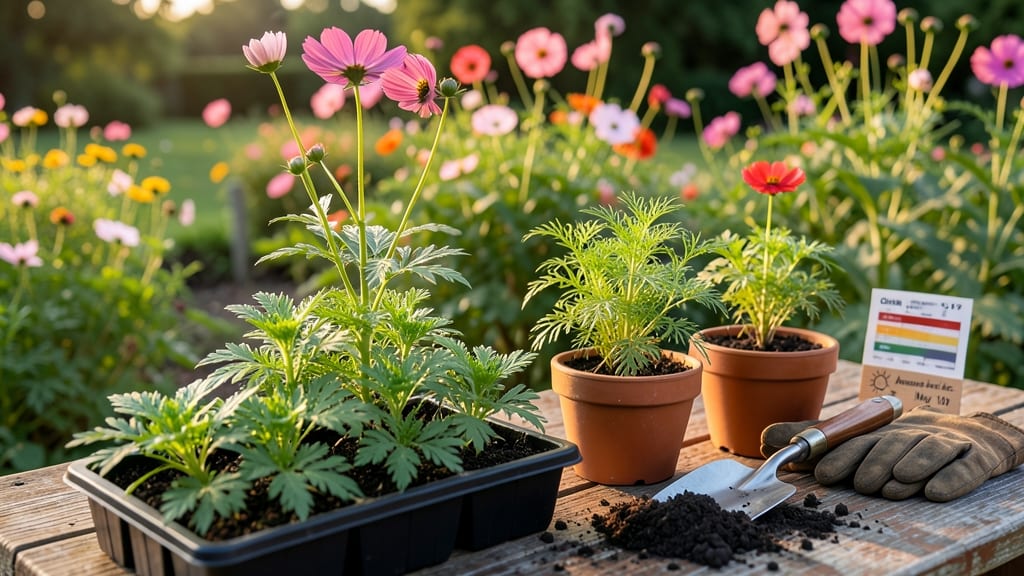
Timing your flower planting in Ohio can mean the difference between a vibrant 🌸 garden bursting with color and a sad, frost-bitten disappointment.
The best time to plant flowers in Ohio isn't just about waiting for spring—it's about catching that narrow window between the last frost (usually around mid-April) and when summer heat arrives.
Ohio's USDA Zone 6a climate throws a curveball with unpredictable frost dates, but knowing your local deadlines is the key to success.
Whether you're planting annuals for summer blooms or perennials that will return year after year, getting the timing right means healthier roots and stronger growth before the heat sets in.
I'll walk you through exactly when to plant different flower types, how to prepare your soil for Ohio's unique conditions, and what to watch for to avoid common mistakes. By the end, you'll have a clear planting schedule tailored to your corner of the state.
Let's turn your Ohio garden into a year-round showstopper—starting with the perfect planting window that actually works for your climate.
Ohio’s frost-free planting deadlines by flower type (zone 5-6 guide)
Ohio gardeners know timing is everything—especially when spring frost can wipe out tender seedlings overnight. The Ohio State University Extension tracks last average frost dates between April 15-30, but your exact window depends on elevation and microclimates.
Northern Ohio (Zone 5b) typically waits until May 1-10, while southern Ohio (Zone 6a) can plant 2 weeks earlier.
For annual flowers like marigolds and zinnias, wait until soil hits 50°F (10°C)—use a soil thermometer to confirm. Perennials like coneflowers and black-eyed Susans are hardier and can handle 40°F (4°C) soil, so they get a 2-week head start.
Bulbs like tulips and daffodils? Plant them in fall (October-November) for spring blooms.
🌱Pro Tip: Check the Ohio State University Frost Tracker for your county’s 10-year averages—it’s updated annually!
| Flower Type | Planting Window | Soil Temp Requirement | Frost Risk Note |
|---|---|---|---|
| Annuals (Marigolds, Petunias, Zinnias) | After May 1 (Zone 5b) / After April 15 (Zone 6a) | 50°F (10°C) | High risk before last frost |
| Perennials (Coneflowers, Black-Eyed Susans) | April 15-30 (Zone 5b/6a) | 40°F (4°C) | Low risk if established |
| Bulbs (Tulips, Daffodils) | October-November (Fall) | 50°F (10°C) soil | Winter chill required |
| Cold-Hardy Annuals (Pansies, Snapdragons) | March-April (Zone 5b/6a) | 35°F (2°C) tolerance | Survive light frost |
| Vegetable Flowers (Tomato, Pepper Starts) | After May 15 (Zone 5b/6a) | 60°F (15°C) | Extreme frost sensitivity |
Don’t assume the last frost date means you’re in the clear—Ohio’s secondary frosts can hit as late as May 10-20. To protect seedlings, use row covers or cloche tunnels for 2-3 weeks after planting.
For container gardens, move pots closer to walls or under eaves at night—they freeze faster than in-ground plants.
🌿Local Example: In Columbus (Zone 6a), I planted pansies in early April and they thrived through a 28°F (-2°C) dip—but my marigolds planted the same day crisped under 30°F (-1°C). The difference? Pansies are frost-tolerant to 25°F (-4°C).
For late bloomers like cosmos or sunflowers, you can push the envelope to June 1—these heat-loving annuals germinate best in warmer soil (60°F/15°C+) and tolerate Ohio’s summer heat. But if you’re aiming for early summer color, stick to the May 1 deadline for most varieties.
💧Watering Hack: After planting, deep-water flowers every 3-5 days to establish roots. In Ohio’s dry springs, mulch with 2-3 inches of straw to retain moisture and regulate soil temperature—critical for seedling survival.
Remember: Ohio’s first frost typically arrives October 15-30, but tender perennials like salvia or lavender need extra protection if you’re pushing their limits. For fall-planted bulbs, aim to get them in the ground by November 1—soil should still be workable but cooling.
How to extend your Ohio planting season with cold-hardy flowers
Ohio’s late spring frosts can be brutal, but you don’t have to wait until mid-April to start planting. Cold-hardy flowers like pansies and snapdragons thrive in cooler temperatures, giving you a head start on your garden.
These varieties can handle light frosts down to 25°F, making them perfect for early spring or even fall planting.
For urban gardeners with limited space, container gardening is a game-changer. You can place pots near south-facing walls or on patios to create microclimates that warm up faster than the surrounding soil.
This trick lets you plant cold-hardy annuals like calendulas or stock as early as late March in many parts of Ohio.
Overwintering bulbs like tulips and daffodils is another smart strategy. Plant them in fall (October-November) so they establish roots before winter. By spring, they’ll burst through the soil weeks before other flowers, giving you early color and a longer blooming season.
Don’t forget to mulch heavily around perennials in fall to protect their roots from freeze-thaw cycles. A layer of 3-4 inches of straw or leaves acts like a blanket, keeping soil temperatures stable.
This simple step can mean the difference between a thriving perennial bed and one that struggles to recover in spring.
For a fall garden, focus on cool-season crops like asters or chrysanthemums. These flowers handle Ohio’s fall frosts beautifully and often bloom right up until the first hard freeze in October. Plant them in late summer (August-September) for a stunning autumn display.
With these strategies, you can enjoy colorful blooms for nearly the entire growing season—from early spring pansies to late-fall mums. The key is knowing which flowers thrive in Ohio’s cool shoulders of the year and giving them the right conditions to shine.