
Plants
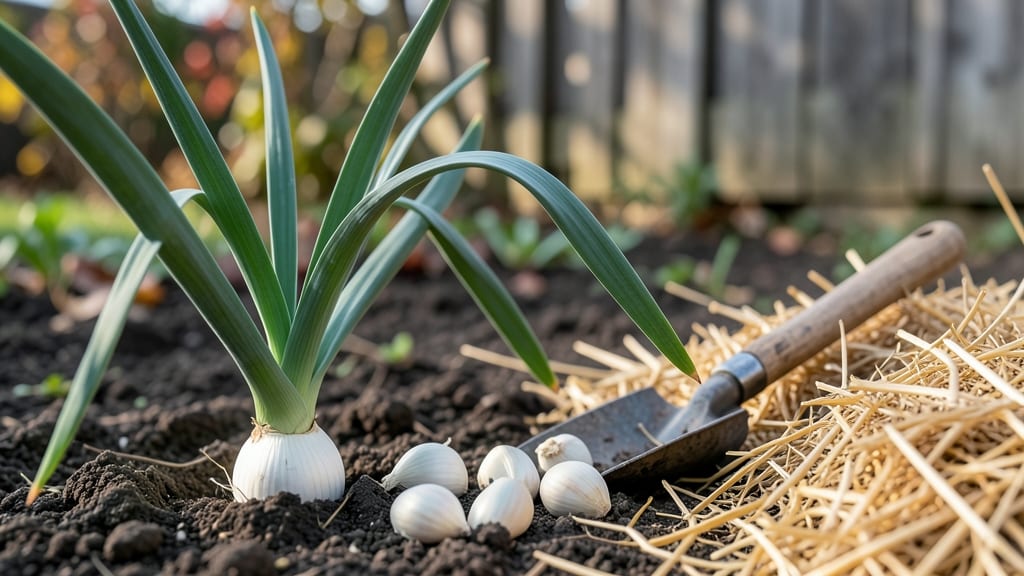
If you're asking "when do you plant garlic in Missouri", the answer isn't just about picking a month—it's about catching that narrow window between October and November when your soil cools but doesn't freeze solid.
Miss this timing, and you might end up with scraggly green shoots instead of plump, flavorful bulbs ready for next summer's kitchen. For gardeners in USDA Zones 5b and 6a, this 6-week window is your golden opportunity to grow the best-tasting garlic Missouri has to offer.
Why does timing matter so much? Garlic needs a period of cold dormancy to develop properly, but it can't handle frozen soil. In Missouri's climate, planting too early in September risks bolting (flowering prematurely), while waiting until December means the ground freezes before roots establish.
The sweet spot? When soil temperatures hover between 40–50°F, signaling the perfect balance for root growth without stress. This is where Missouri gardeners—whether in St. Louis or rural areas—must pay close attention to frost dates and microclimates.
What you'll discover in this guide is how to align your planting schedule with Missouri's unique conditions, from selecting the right varieties (like hardneck Music or German White) to preparing your soil for maximum bulb development.
We'll also cover how to protect your garlic from Missouri's most common pests—like onion thrips—and when to expect your first harvest in July or August of the following year. Let's get those cloves in the ground at the perfect moment.
Whether you're a seasoned gardener or just starting with 🧄, understanding these fall planting principles will transform your garlic harvest. No more guessing games—just reliable, zone-specific advice tailored to Missouri's 5b-6a climate. Ready to grow garlic that rivals anything you've bought at the store? Let's dive into the details.
Optimal Missouri garlic planting dates by Zone (5b vs 6a)
Missouri’s USDA Zones 5b and 6a create subtle but critical differences for garlic planting. In Zone 5b (e.g., St. Louis), the ground freezes earlier—typically by November 15—while Zone 6a (e.g., Kansas City) holds warmth longer, often until November 25.
Planting too early risks premature bolting, while waiting too late means bulbs won’t mature fully before winter dormancy.
Your goal is to plant when soil temperatures drop to 40–50°F, signaling garlic roots to establish before frost. This window typically falls between mid-October and early November, but exact dates vary by microclimate.
Rural areas may need adjustments for earlier frosts, while urban heat islands might extend the window slightly.
Missouri’s first hard frost (below 28°F) usually arrives in late October to mid-November. To avoid winter kill, garlic needs 4–6 weeks of root growth before the ground freezes solid. This means planting in Zone 5b should wrap up by November 1, while Zone 6a gardeners have until November 10.
🌱 Pro Tip: Use a soil thermometer to verify temperatures. If soil stays above 50°F, delay planting—garlic won’t tolerate heat after sprouting.
| Zone & Location | Ideal Planting Window | Soil Temp Threshold | Last Chance Date | Missouri Microclimate Notes |
|---|---|---|---|---|
| Zone 5b (St. Louis, Columbia) | October 15–November 1 | 40–50°F (4–10°C) | November 1 | Urban areas may stay warmer; rural spots freeze earlier. |
| Zone 6a (Kansas City, Springfield) | October 20–November 10 | 40–50°F (4–10°C) | November 10 | West-facing gardens may extend window by 3–5 days. |
| Both Zones (All Regions) | Avoid planting after November 15 | N/A | Risk of winter kill increases | Mulch with 4–6 inches of straw to insulate bulbs. |
Missouri’s variable frost dates can throw off even experienced gardeners. For example, St. Louis (Zone 5b) saw a late frost on November 5, 2022, while Kansas City (Zone 6a) escaped frost until November 18, 2021.
Check your local National Weather Service frost predictions or use a frost calendar for your county to fine-tune timing.
If you miss the fall window, spring planting is possible but yields are 50% smaller. Plant in March when soil reaches 50°F, but expect bolting by June—ideal for green garlic but not bulbs. For maximum success, fall planting is non-negotiable in Missouri’s climate.
🌿 Local Tip: Missouri’s humid summers can stress garlic. Choose hardneck varieties (e.g., ‘Music’ or ‘Chesnok Red’) for better cold tolerance and larger bulbs. Softneck varieties (like ‘Silverskin’) struggle in Zone 5b’s harsh winters.
After planting, mulch heavily with straw or leaves to protect bulbs from freeze-thaw cycles. In Zone 5b, mulch depth should be 6 inches; in Zone 6a, 4 inches suffices. Remove mulch in early spring to prevent rot before growth resumes.
✂️ Action Step: Mark your calendar for October 20–November 10 (adjust for your zone) and set aside 2 hours for soil prep, clove separation, and planting. Missouri’s garlic season starts now!
Optimal Missouri garlic planting dates by Zone (5b vs 6a)
Missouri’s climate varies between USDA Zone 5b (northern areas like St. Louis) and Zone 6a (southern regions like Kansas City), which shifts garlic planting windows by 2-3 weeks.
For Zone 5b, aim to plant between October 15 and November 1, while Zone 6a gardeners should start between October 1 and October 25. These dates ensure garlic roots establish before the ground freezes (40–50°F soil temp), preventing winter kill.
Missouri’s first hard frost typically arrives by November 15, so planting too late risks shallow roots. Conversely, planting too early (before September 15) can trigger premature sprouting. Use your local frost date as a guide: count back 6 weeks for the ideal window.
For example, Columbia (Zone 6a) often plants by October 10, while Sedalia (Zone 5b) waits until October 25.
| Zone | Ideal Planting Window | Soil Temp Goal | Missouri Cities |
|---|---|---|---|
| 5b | October 15–November 1 | 40–50°F | St. Louis, Kansas City (north), Sedalia |
| 6a | October 1–October 25 | 40–50°F | Columbia, Springfield, Joplin |
Adjust for microclimates—urban areas like St. Louis may experience earlier frosts due to concrete heat absorption, while rural farms in Zone 6a might extend planting to November 10 if winters are mild.
Test soil temperature with a soil thermometer; garlic roots need 40–50°F to grow but won’t tolerate below 32°F for long.
Missouri’s humidity and soil moisture also play a role. In Zone 5b, where winters are colder, mulch heavily (4–6 inches) with straw or leaves to insulate bulbs.
In Zone 6a, focus on well-draining soil to prevent rot during wet springs. Both zones benefit from raised beds if your native soil is clay-heavy.
Pro tip: Plant hardneck varieties (like ‘Music’) in Zone 5b for better cold tolerance, while softneck types (like ‘Silverskin’) thrive in Zone 6a. Hardnecks also produce scape shoots, which you can harvest in spring for extra flavor.
Time your planting so scapes appear by late May—after they flower, redirect energy to bulb growth.
Missouri’s garlic harvest typically occurs in late July to August, but your planting date affects bulb size. For larger cloves, aim for a 10–12 hour day length by harvest time.
In Zone 5b, this means planting earlier in the window (closer to October 15), while Zone 6a gardeners can push to October 25 for similar results.