
Plants
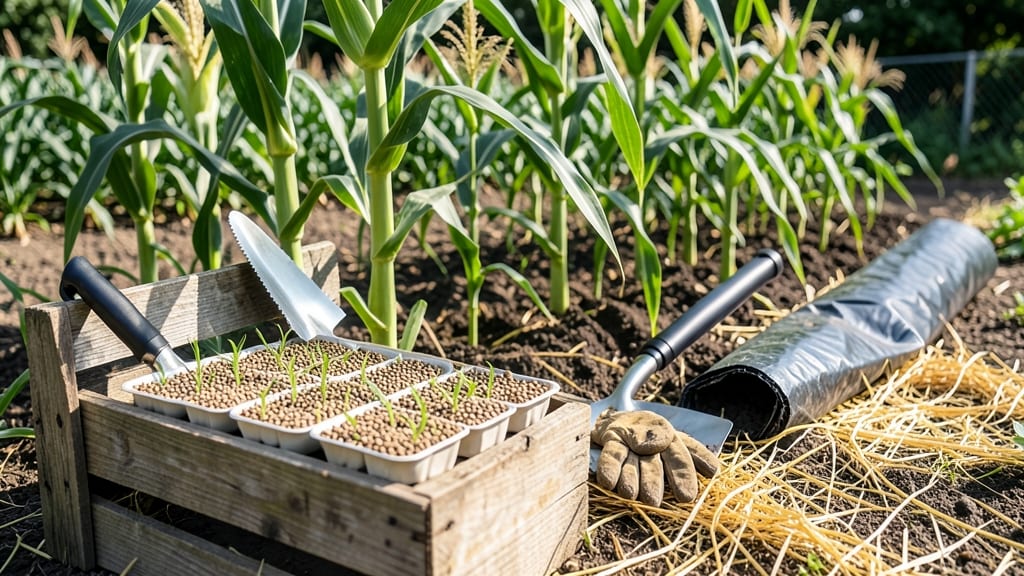
Planting corn in South Carolina at the right time can mean the difference between a thriving harvest of sweet 🌽 and a disappointing loss to frost or poor growth. With the state's diverse climate zones—ranging from 7b to 8a—getting the timing perfect is everything.
Most gardeners in South Carolina aim to plant corn between mid-April and early June, right after the last frost date. But here's the catch: your exact timing depends on your county's heat zone and whether you're growing sweet corn, field corn, or popcorn.
Skipping this step could leave your plants vulnerable to late frosts or stunted growth.
In this guide, I’ll break down the optimal planting windows for each zone, plus how to adjust for soil temperature and weather risks. You’ll also discover which corn varieties thrive best in South Carolina’s short growing season—and how to extend it with simple tricks like row covers or mulch.
Whether you're a first-time gardener or a seasoned pro, these insights will help you maximize your yield and avoid common mistakes. Let’s get your corn off to the best possible start!
South Carolina heat zones and ideal corn planting windows by county
South Carolina spans USDA Hardiness Zones 7b to 8a, creating microclimates that drastically affect your corn planting schedule.
The state’s coastal areas (like Charleston) enjoy longer frost-free seasons (up to 240 days), while inland regions (like Greenville) face earlier frost risks (as few as 210 frost-free days). This means your planting window can shift by 4-6 weeks depending on where you live.
For sweet corn, aim to plant when daytime temperatures consistently stay above 60°F—typically mid-April in Zone 8a (coastal) and late April to early May in Zone 7b (upstate). Field corn and popcorn varieties can tolerate slightly cooler soils, so you might start 1-2 weeks earlier for these types.
Here’s a breakdown of county-specific planting windows based on average last frost dates. Use these as a guide, but always verify with your local Cooperative Extension Service for real-time updates.
| Heat Zone | Counties | Last Frost (Avg.) | Ideal Planting Window | Harvest Window |
|---|---|---|---|---|
| Zone 8a | Charleston, Beaufort, Hilton Head | Mid-March | Mid-April to early May | Late July to October |
| Zone 8a | Myrtle Beach, Georgetown | Late March | Late April to early May | Early August to October |
| Zone 7b-8a | Columbia, Florence, Sumter | Early April | Early to mid-May | Mid-August to October |
| Zone 7b | Greenville, Spartanburg, Upstate | Early April | Late April to early June | Late August to October |
| Zone 7a | Mountains (Pickens, Oconee) | Mid-April | Early to mid-May | Late August to early October |
If you’re in a Zone 7b or cooler area, consider planting early-maturing varieties (like 'Early Sunglow', which matures in 65 days) to avoid fall frosts. For Zone 8a, you can even squeeze in a second planting in early June for a late-summer harvest.
Pro tip: Use black plastic mulch to warm soil faster in cooler zones, or row covers to protect young plants from unexpected late-spring frosts. These tricks can extend your planting window by 1-2 weeks without risking damage.
For field corn or popcorn, which have longer growing seasons, you can push planting dates slightly later—up to early June in Zone 8a. Just ensure you have enough frost-free days (at least 120 days) to reach maturity.
Remember, soil temperature matters more than air temperature. Corn seeds won’t sprout until the soil reaches 60°F at a depth of 1 inch. Use a soil thermometer to confirm readiness—planting too early in cold soil leads to poor germination or damping-off disease.
🌽
How to adjust planting dates for soil temperature and weather risks
Planting corn too early in South Carolina risks frost damage, while waiting too long can shorten your growing season. The key is monitoring soil temperature—corn seeds need consistent warmth of at least 60°F (15°C) to germinate properly.
Use a soil thermometer to check depths of 2-4 inches, especially in cooler zones like Zone 7B (e.g., Greenville, Spartanburg).
Even if daytime temps feel warm, nighttime frosts can still linger into mid-April in inland areas. Check the National Weather Service or local Cooperative Extension forecasts for last frost dates.
For example, Charleston (Zone 8A) averages its last frost by March 15th, while Upstate SC (Zone 7B) often waits until April 15th.
🌱
⚠️ Common Mistakes That Ruin Early Corn Plantings
- Planting too soon when soil is <60°F → seeds rot or fail to sprout
- Ignoring microclimates (e.g., valleys stay colder longer than hilltops)
- Skipping frost protection (row covers or black plastic mulch) in late spring
- Overcrowding seeds → weak stalks and poor air circulation (fungus risk)
To extend your growing season, use black plastic mulch to warm soil faster and suppress weeds. Lay it down 2-3 weeks before planting in cooler zones. For late plantings (June), choose short-season varieties (60-70 days to maturity) like 'Early Sunglow' to avoid early fall frosts.
Another trick? Plant in successive batches every 2 weeks for a staggered harvest. This works well in Zone 8A (Coastal SC) where summers are longer. Just ensure your last planting finishes before the first frost, typically by October 15th.
If your area has unpredictable spring weather, consider starting seeds indoors 4-6 weeks before the last frost date. Transplant seedlings when they’re 6-8 inches tall and soil is warm. This buys you critical time in Zone 7B where springs can be erratic.
Always keep an eye on humidity levels too—high humidity in summer can lead to corn smut or leaf blight. Space rows 3 feet apart for airflow, and avoid overhead watering after 10 AM to reduce fungal spores.