
Plants
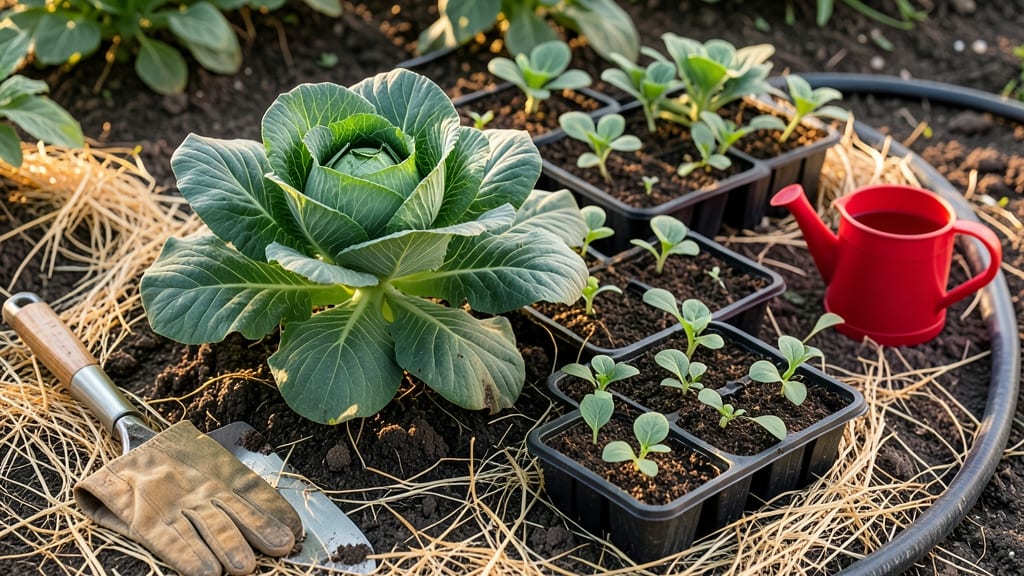
Timing your cabbage planting in South Carolina can mean the difference between a bountiful harvest and a bitter disappointment. The key to growing crisp, sweet 🥬 heads lies in understanding the perfect planting windows—because one wrong move can trigger bolting or attract pests before your crop even matures.
With USDA zones 7b-8b and a climate that swings from humid summers to mild winters, South Carolina gardeners have two prime opportunities to plant cabbage: early spring and late summer.
But getting the exact months right is crucial—too early, and your plants bolt; too late, and heat or pests ruin your efforts.
I’ve tested these strategies in my own garden, and the results speak for themselves: consistent harvests of firm, flavorful cabbage heads. Whether you’re a seasoned gardener or just starting, this guide will give you the exact schedule to avoid common mistakes and maximize your yield.
From soil prep to succession planting, I’ll walk you through every step to ensure your cabbage thrives—no matter where you are in the state. Let’s get those seeds in the ground at the right time for a zero-bolt, high-yield season.
Optimal cabbage planting months in South Carolina by variety type
South Carolina’s USDA zones 7b-8b create two prime cabbage-growing windows: early spring and late summer. The key is planting varieties that match your region’s microclimates—Upstate areas (zones 7b) can start slightly earlier than Coastal zones (8a).
Let’s break down the exact months for cold-hardy, heat-tolerant, and hybrid varieties to maximize your harvest.
For spring cabbage, aim for February to early March in Upstate SC and March to mid-April near the coast. This timing ensures seedlings mature before bolting (premature flowering) triggered by rising temperatures.
In contrast, fall cabbage thrives when planted late August to early September, allowing heads to form before first frost (mid-November).
Here’s how to align your planting with South Carolina’s two distinct seasons:
| Season | Planting Window (Upstate SC) | Planting Window (Coastal SC) | Variety Type | Harvest Window |
|---|---|---|---|---|
| Spring | February–March | March–April | Cold-hardy (e.g., 'Golden Acre') | April–May |
| Fall | Late August–Early September | Early September–Mid-September | Heat-tolerant (e.g., 'Tendercrisp') | October–November |
| Extended | January (under row covers) | N/A (too warm) | Hybrid (e.g., 'Blue Vantage') | March–April |
Upstate gardeners in zone 7b can push spring planting to January if using row covers to protect seedlings from freezing temperatures. Coastal gardeners should avoid planting before mid-March to prevent cabbage maggot infestations, which thrive in warmer soils.
For fall plantings, late August is ideal—any later risks heads forming before frost.
Pro tip: Use succession planting every 2 weeks in spring and 3 weeks in fall to stagger harvests. For example, plant a batch in early March, then again in mid-March, and finally in late March to ensure a continuous supply.
This works especially well for heat-tolerant hybrids like 'Golden Ball,' which handle South Carolina’s summer heat better than traditional varieties.
If you’re growing savoy cabbage (like 'Blue Vantage'), extend your planting window by 2-3 weeks later than standard varieties. Savoy types tolerate warmer soils and are less prone to bolting, making them perfect for Coastal SC’s longer growing seasons.
Just be sure to mulch heavily to retain moisture during summer’s high humidity.
For transplanting, wait until soil temperatures reach at least 50°F (10°C). Use a soil thermometer to check—cooler soils slow growth and increase disease risk. In Upstate SC, this usually aligns with mid-March, while Coastal areas may need to wait until late March.
Seedlings should be 4-6 weeks old when transplanted for best survival rates.
Remember: Day-length sensitivity is critical. Cabbage is a long-day plant, meaning it bolts when exposed to 14+ hours of daylight.
In South Carolina, this happens by late May, so avoid planting after that unless you’re using shade cloth (30-50%) to trick the plant into thinking it’s still spring.
Finally, adjust for local microclimates. Gardens near bodies of water (like Charleston) stay warmer longer, while inland areas (like Greenville) cool faster. Use these guidelines as a starting point, then tweak based on your yard’s specific conditions.
With the right timing, you’ll enjoy crisp, sweet cabbage heads from April through November**!
How to time cabbage planting for zero bolting in SC’s heat
South Carolina’s hot summers and long daylight hours can turn your cabbage plants into bitter, bolted messes if you’re not careful. The key to zero bolting is understanding how day length and soil temperatures trigger flowering.
Cabbage is a cool-season crop, so it senses long, warm days as a signal to flower early—even before forming a head. Here’s how to outsmart that instinct and keep your plants producing crisp, sweet heads all season.
First, check your last frost date (typically mid-March for most of SC) and first frost date (around mid-November). Then, work backward from those dates to determine your planting windows. For spring cabbage, aim to have mature heads ready by late May before the heat sets in.
For fall cabbage, plant so heads mature by early November before frost hits. Timing is everything—get it wrong, and you’ll end up with premature bolting or stunted growth.
Soil temperature is just as critical as air temperature. Cabbage seeds won’t germinate well in soil warmer than 85°F, and seedlings will bolt faster if soil temps exceed 75°F for prolonged periods. Use a soil thermometer to monitor temps, especially in Upstate SC where soils can heat up quickly. If temps are too high, delay planting or use shade cloth to keep soil cool.
⚠️ Warning: Bolting Triggers in SC’s Climate
Day length over 14.5 hours of sunlight (common in SC summers) forces cabbage to bolt. Soil temps above 75°F accelerate bolting. Heat waves and drought stress also trigger premature flowering. Avoid these mistakes:
- Planting too early in spring (before last frost) exposes seedlings to winter cold and then spring heat, causing stress.
- Skipping shade cloth in late spring/early summer when temps rise above 80°F.
- Over-fertilizing with nitrogen in summer, which promotes leafy growth but weakens heat tolerance.
- Ignoring succession planting—one batch won’t cover your harvest window.
🌡️ Pro Tip: If your cabbage starts forming flower stalks, harvest the outer leaves for cooking and pull the plant to redirect energy to new growth.
To extend your harvest window, use succession planting every 2-3 weeks from February through August. Start with early varieties like ‘Early Jersey Wakefield’ in February, followed by mid-season types like ‘Golden Acre’ in March-April, and late-season varieties like ‘Tendercrisp’ in July-August.
This ensures you’re always harvesting fresh heads without gaps.
For summer planting, use row covers or shade cloth (30-50%) to block excess heat and reduce day length exposure. Remove covers during cool evenings to prevent heat stress.
In Coastal SC, where humidity is higher, opt for disease-resistant varieties like ‘Cavalo’ or ‘Red Express’ and space plants 24 inches apart for better airflow. Mulch with straw or pine needles to keep roots cool and retain moisture.
Finally, water deeply in the morning to keep soil moisture consistent—drought stress is a top cause of bolting. Avoid wetting the leaves to prevent disease, and fertilize lightly with a balanced 10-10-10 mix every 4-6 weeks during the growing season.
With these adjustments, you’ll avoid bolting and enjoy crisp, sweet cabbage from spring through fall.