
Plants
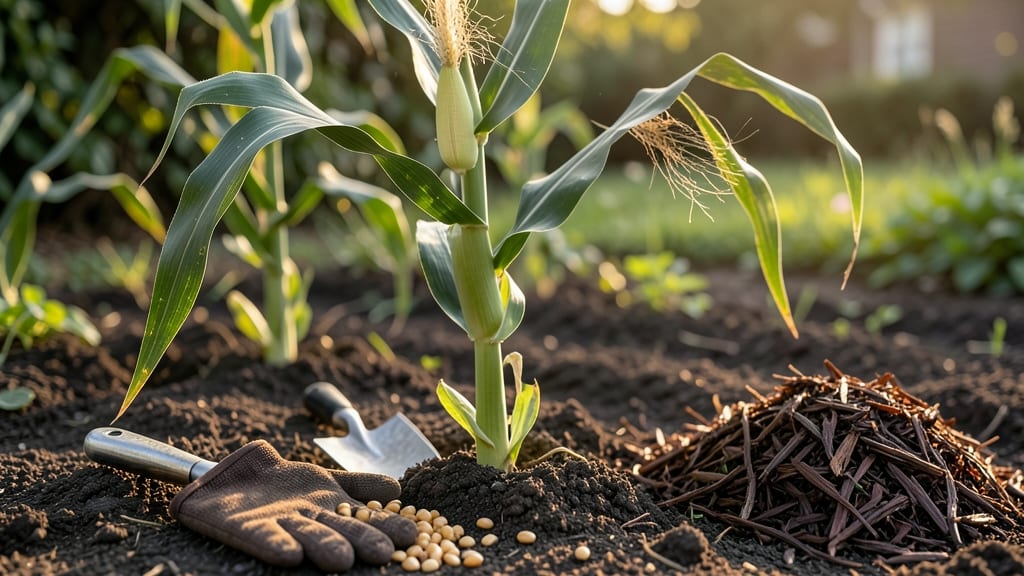
Planting corn in South Florida might seem tricky with its year-round warmth, but nailing the timing can mean the difference between sweet, juicy ears and bitter, bolted disappointment.
The key is avoiding those sudden heat spikes that send corn into early flowering—something I’ve learned the hard way after a few failed attempts with 🌽 varieties.
Since South Florida’s 10b-11 climate never dips below freezing, you’ve got flexibility, but that doesn’t mean you can plant anytime. Spring and fall are your golden windows, with March–May and September–November offering the perfect balance of warmth and moisture.
I’ll break down exactly which months work best for your location—whether you’re in Miami’s humidity or Naples’ drier air.
Beyond timing, the right corn varieties make all the difference. Heat-tolerant types like ‘Silver Queen’ or ‘Peaches & Cream’ thrive here, while others bolt before you even get to harvest.
I’ll share my top picks for South Florida, plus pro tips to keep your plants happy—like spacing, watering, and even when to fertilize without overdoing it.
Ready to grow corn that actually produces? Let’s dive into the exact steps to turn your garden into a cornucopia—no more guessing, just reliable harvests every season.
Best planting windows for South Florida corn: exact months to avoid bolting
South Florida’s frost-free climate means corn can grow year-round, but timing is everything to avoid bolting—when plants produce seed heads prematurely, leaving small, bitter ears. The key is planting when soil temperatures stay above 60°F and humidity levels are moderate, not extreme.
Unlike northern climates, we’re not waiting for spring; we’re avoiding summer’s peak heat.
For sweet corn, the ideal windows are January–March and September–November. These months offer gentler temperatures (70–85°F) and consistent rainfall, reducing stress on young plants. Field corn, which is more heat-tolerant, can stretch into late spring (April–May), but even it struggles past June without shade.
Microclimates matter: Miami’s coastal humidity and Naples’ drier inland air create different risks. Coastal areas may need earlier plantings to beat summer’s oppressive heat, while inland zones can push fall plantings later into November. Always check local weather forecasts for heatwave alerts—even a few days above 95°F can trigger bolting.
Here’s how to align your planting with South Florida’s heat zones and rainfall patterns for maximum success:
| Planting Window | Best For | Soil Temp | Rainfall | Bolting Risk |
|---|---|---|---|---|
| January–March | Sweet corn, early harvests | 60–75°F | Moderate (dry season) | Low |
| April–May | Field/popcorn, heat-tolerant | 75–85°F | Variable (spring showers) | Medium (use shade) |
| September–November | Sweet corn, fall harvests | 70–80°F | High (hurricane season) | Low (cooler nights) |
| June–August | Avoid unless shaded | Above 85°F | High (but intense heat) | Very High |
🌡️ Pro Tip: Use a soil thermometer—corn roots need 60°F+ to thrive.
For succession planting, stagger seeds every 2–3 weeks within your chosen window. This ensures a continuous harvest and reduces the risk of pest outbreaks overwhelming your entire crop.
For example, plant half your seeds in January and the rest in early February—this way, you’ll have ears ready by March–April before summer’s heat peaks.
If you’re in Miami or coastal areas, prioritize shade cloth (30–50%) for summer plantings. The extra humidity can lead to fungal diseases like leaf blight, while inland Naples may need drip irrigation to combat dry spells.
Both regions benefit from raised beds, which warm up faster in spring and drain better during Florida’s sudden summer storms.
Watch for silk emergence—this is your critical pollination window. If silks dry out before fertilization, you’ll get barren ears. Increase watering to 1–2 inches per week during this phase, and avoid overhead watering to prevent silk rot.
In South Florida, this often means daily watering in summer and every other day in fall.
Remember: Corn is a heavy feeder, so amend soil with compost or aged manure before planting. In South Florida’s sandy soils, this is non-negotiable—without it, your plants will bolt prematurely due to nutrient stress. Test your soil’s pH (6.0–6.8 is ideal) and add lime if needed.
Finally, harvest within 2–3 days of readiness to avoid starchy kernels. In South Florida’s heat, this means picking by 10 AM to catch the milky stage before sugars convert. Store ears in the fridge for
Best planting windows for South Florida corn: exact months to avoid bolting
South Florida’s tropical heat and humidity create a unique growing window for corn—one that extends far beyond traditional northern planting seasons. Unlike cooler climates, you can grow corn year-round here, but timing is critical to prevent bolting (premature flowering) and ensure sweet, tender ears.
The key is planting when soil temperatures stay above 60°F and humidity remains moderate.
Most gardeners in South Florida focus on two primary windows: early spring (to harvest before summer’s peak heat) and late summer/fall (to avoid bolting). However, with the right heat-tolerant varieties and shade strategies, you can even plant in mid-summer with success.
The goal is to align your planting schedule with rainfall patterns and soil moisture to keep plants hydrated during critical growth stages.
| Planting Window | Ideal Months | Soil Temp (°F) | Bolting Risk | Harvest Window |
|---|---|---|---|---|
| Early Spring | January–March | 60–75°F | Low (cool nights) | March–May |
| Late Summer | June–July | 75–85°F | Moderate (use shade) | August–October |
| Fall | August–September | 70–80°F | Low (cooler nights) | October–December |
| Winter (Risky) | November–December | 65–70°F | High (unpredictable) | January–March |
For Miami and coastal areas, the spring window (January–March) is ideal because cooler ocean breezes help regulate soil temperatures. In contrast, Naples and inland zones can push planting into late summer (June–July) with shade cloth to prevent bolting.
Always check 7-day soil temperature forecasts—corn seeds need consistent warmth to germinate, and South Florida’s flash droughts can quickly dry out seedlings.
Succession planting is your best friend in South Florida. Plant new rows every 2 weeks during your chosen window to stretch harvests over 2–3 months. For example, start your first batch in February, then follow with March, April, and May plantings.
This ensures you’re always harvesting fresh ears while avoiding overcrowded plants that compete for nutrients and sunlight.
One common mistake is planting too late in summer’s peak heat. If you miss the June–July window, wait until August when temperatures dip slightly. Use black plastic mulch to warm soil faster and retain moisture—this is especially helpful in sandy South Florida soils that drain too quickly.
Always test soil moisture by gripping a handful; it should feel damp but not soggy.
Bolting is your biggest enemy, and it’s triggered by heat stress or nutrient deficiencies. To prevent it, pair your planting schedule with regular fertilization (every 4–6 weeks) and deep watering (1–2 inches per week).
If your plants start sending up tassels too early, provide afternoon shade with 30–50% shade cloth to lower stress levels. With the right timing, you’ll enjoy sweet, juicy corn straight from your South Florida garden!