
Companion Plants
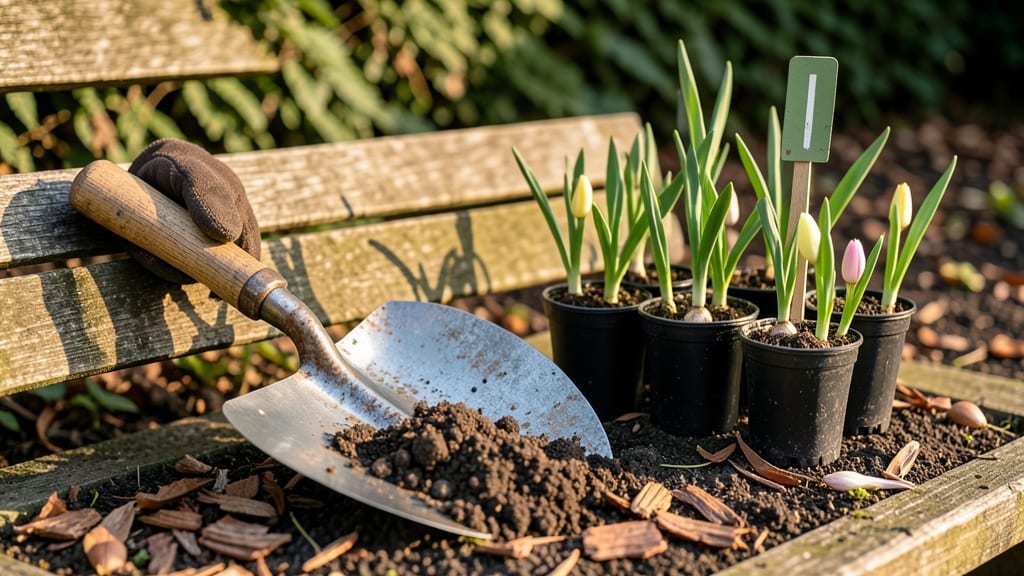
Timing is everything when you're ready to plant 🌷 those potted tulips in the ground—get it wrong, and you might just watch your blooms disappear before they even begin.
The key lies in understanding your local climate, specifically your USDA hardiness zone, which determines the perfect window for transplanting before the ground freezes solid.
For most gardeners in Zone 6a (like me!), the ideal time falls between September and November, giving those bulbs 4-6 weeks to establish roots before winter sets in.
But here's the catch: planting too early or too late can stress your tulips, leaving them vulnerable to frost or poor root growth. Let me walk you through exactly how to check if your soil is ready—and when to make that move for vibrant spring blooms.
You don’t need a green thumb to nail this—just a few simple checks. We’ll cover soil temperature tests, moisture levels, and even how to adjust your timing if you’re in a coastal area where frost comes later.
By the end, you’ll know exactly when to dig those potted tulips into the ground for a showstopping display next spring.
Ready to avoid common mistakes and set your tulips up for success? Let’s dive into the details so you can confidently plant and watch those 🌷 blooms thrive come April or May.
Best planting months for potted tulips by USDA hardiness Zone
Timing is everything when transplanting potted tulips into garden beds. Planting too early risks frost damage, while waiting too long delays next year’s blooms. The ideal window is 4-6 weeks before your region’s first hard frost, but this varies dramatically by USDA zone.
For example, Zone 3 gardeners should plant by mid-October, while Zone 10 growers can extend planting until December.
Tulips need 6-8 weeks of cool soil (below 60°F) to establish roots before winter dormancy. In warmer zones like Zone 8-10, you can even plant in late fall or early winter—just avoid periods when soil temps rise above 70°F.
Coastal areas often have 2-4 weeks longer planting windows than inland regions due to milder microclimates.
Here’s how to match your zone to the perfect planting month, plus soil temperature cues to avoid common mistakes:
| USDA Zone | Ideal Planting Month | Soil Temp Threshold | Key Cues |
|---|---|---|---|
| 3-4 | September 15–October 15 | Below 50°F | First frost date: October 15–November 1 |
| 5-6 | October 1–November 1 | Below 55°F | Daylight drops below 12 hours |
| 7-8 | November 1–December 15 | Below 60°F | Night temps consistently below 65°F |
| 9-10 | December 1–January 15 | Below 65°F | No frost risk; plant after holidays |
🌱 Pro Tip: Use a soil thermometer to confirm temps—plant only when soil stays below your zone’s threshold for 7+ days.
If you miss the fall window, spring planting is possible but requires extra care. In Zones 5-7, you can plant tulips in early spring (March–April) as long as they receive consistent moisture and evening shade until roots establish.
However, spring-planted bulbs often bloom 4-6 weeks later and may produce fewer flowers.
For coastal climates (e.g., Pacific Northwest, Northern California), extend your window by 2-4 weeks later than inland zones due to milder winters. For example, Zone 7 coastal gardens might plant until December 31, while inland areas should finish by November 15.
Always check your local frost date averages—they’re more reliable than zone guidelines alone.
One common mistake is planting too early when soil is still warm. Tulips planted in August in Zones 5-7 may sprout prematurely, only to be killed by early frosts.
Wait until soil temps drop below 60°F and stay there for a week. Use a digital soil thermometer ($10–$15) to monitor—it’s the only way to avoid guesswork.
In Zone 10+, where winters are mild, tulips can bloom year-round if planted at the right times. For spring blooms, plant in December–January. For winter blooms (rare but stunning), plant in August–September—just protect them from unexpected cold snaps with mulch or row covers.
Remember: Tulips are perennials, but they need 6-8 weeks of cool soil each year to rebloom reliably. If you plant too late, the bulbs may not establish roots deeply enough to survive winter. Always mark your planting dates so you don’t repeat the mistake next year!
How to check if your soil is ready for tulip transplanting
Before you even think about digging those potted tulips into the ground, your soil needs to meet three critical conditions: the right temperature, adequate moisture, and low frost risk. Skipping these checks can leave your bulbs struggling or even rotting before they bloom.
I’ve learned the hard way—planting too early in Zone 6a last fall meant my tulips barely survived the winter!
Start by testing your soil’s temperature. Tulip bulbs thrive when the ground is between 40°F and 50°F (4°C-10°C). Use a simple soil thermometer—stick it 6 inches deep where you plan to plant.
If it’s warmer than 50°F, wait a few weeks. Too cold? Cover the area with straw mulch to insulate the soil and protect emerging roots.
Next, check moisture levels. Tulips prefer well-draining soil that’s moist but not soggy. Grab a handful of soil and squeeze it—if water drips out, it’s too wet.
If it crumbles easily, it’s perfect. Pro tip: If your soil feels dry, water it thoroughly 24 hours before transplanting to reduce shock.
⚠️ Warning: Frost Risk
Planting too late risks frost damage before roots establish. Check your local frost dates—aim to plant 4-6 weeks before the first hard frost. Use the National Weather Service or a frost calendar for your area. Coastal regions? You may have 2-4 extra weeks due to milder winters.
Don’t forget to prep your planting site! Loosen the soil to a depth of 12 inches with a garden fork or tiller. Mix in compost or aged manure to improve drainage and fertility. If your soil is heavy clay, add sand or perlite to prevent waterlogging, which can rot bulbs.
For gardeners in warmer zones (7-10), timing shifts to late fall or early winter. Here, the goal is to plant when soil temps drop below 60°F (15°C) but before summer heat returns. Use a shade cloth to protect newly planted bulbs if daytime temps exceed 80°F (27°C).
Finally, observe your local weather forecast for the next 2 weeks. If freezing temps are predicted, delay planting until conditions stabilize. A little patience now means bold, healthy blooms next spring—trust me, it’s worth the wait!