
Plants
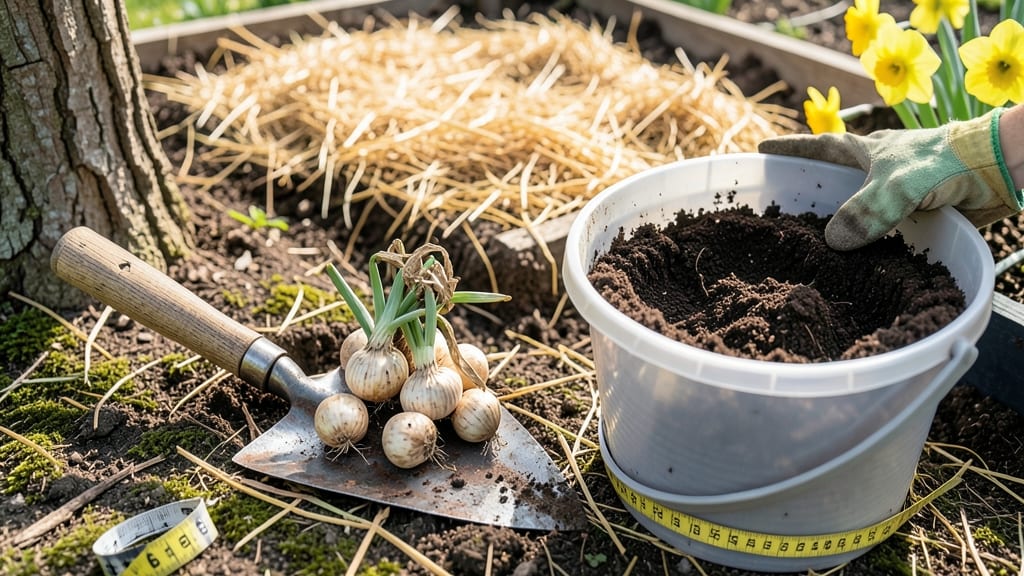
Planting your daffodil bulbs at the right time in Northern California could mean the difference between a stunning spring display and a disappointing flop. The perfect window—October through December—aligns with the region's mild climate, but local microclimates like coastal fog or inland heat can shift that timeline by weeks.
If you're in the San Francisco Bay Area, cooler temperatures mean you can start as early as late September, while inland areas like Sacramento might wait until November.
The key is getting those bulbs in the ground 4-6 weeks before the first frost, which typically hits around mid-December in most of USDA Zones 8a-9b.
Don't let common mistakes like planting too early (when soil is still warm) or too late (risking winter rains) ruin your chances.
I'll walk you through how to adjust your schedule based on your specific location—whether you're battling coastal chill or valley heat—so your 🌼 daffodils get the best possible start.
Ready to transform your garden into a springtime spectacle? Let's dive into the exact steps and timing tricks that work for Northern California's unique growing conditions.
Best planting months for daffodil bulbs in Northern California's microclimates
Northern California's diverse climate—from the chilly coastal fog of San Francisco to the hot inland valleys of Sacramento—means daffodil planting times vary by 30 days or more.
For coastal areas (USDA Zone 9a-9b), aim for October 15 to November 15, while inland valleys (Zone 8a-9a) should plant from November 1 to December 15. Mountain regions like the Sierra foothills (Zone 7b-8a) have a shorter window: September 20 to October 15.
Your last frost date is the key trigger—plant 4-6 weeks before the average frost to ensure bulbs establish roots. Coastal areas rarely see frost after December 15, while inland valleys can experience light frosts as early as January 15.
Always check your local microclimate; urban heat islands (like downtown Sacramento) may extend your window by 10-14 days compared to rural areas.
Soil temperature matters just as much as air temperature. Daffodils need 60°F soil for root growth, which typically occurs when daytime highs hit 70°F. In coastal regions, this happens by mid-October, while inland valleys may need to wait until late October or early November.
Use a soil thermometer to confirm—planting too early in warm soil can cause premature sprouting and frost damage.
Here’s how your local microclimate affects timing:
If you’re in a transition zone (like the North Bay or Central Valley), err on the earlier side. For example, Santa Rosa’s cooler nights may align with coastal timing, while Modesto’s warmer days push it closer to inland schedules.
Always observe your garden’s natural cues: when nearby winter annuals like pansies start thriving, it’s likely time to plant.
For container gardening, extend your window by 2-3 weeks later—potted bulbs warm up faster and can handle a slightly delayed planting. However, avoid planting after January 1 in most regions, as bulbs need 6-8 weeks of chill to bloom properly.
If you miss the window, wait until early spring (February) for a smaller but still viable bloom cycle.
Pro tip: Layer bulbs in containers by planting some in October and others in November—this spreads out your spring blooms by 2-3 weeks. Just ensure all bulbs are 6 inches deep and spaced 3-6 inches apart, depending on variety.
Dwarf daffodils (6-12 inches tall) can go in 3-inch pots, while standard types need 5-gallon containers.
Watch for rainfall patterns too—soaking soil before planting helps, but waterlogged conditions can rot bulbs. In dry inland areas, water deeply 1-2 weeks after planting to encourage root growth. Coastal gardeners should plant after first autumn rains (usually October) to avoid dry soil stress.
Finally, choose local-adapted varieties. ‘February Gold’ and ‘Tête-à-Tête’ (dwarf) thrive in coastal zones, while ‘Ice Follies’ and ‘Mount Hood’ handle inland heat better. Check the back of bulb packages for USDA Zone recommendations—this saves time and ensures vibrant blooms.
Best planting months for daffodil bulbs in Northern California's microclimates
Northern California's diverse climate means your daffodil planting schedule should depend on whether you're in the coastal fog belt, Central Valley heat, or mountain foothills.
The general rule is to plant 4-6 weeks before the first frost, but local variations can shift this window by up to 30 days.
For coastal areas like San Francisco or Santa Cruz, aim for late September to early November when soil temperatures drop below 60°F. Inland cities like Sacramento or Stockton should wait until October to mid-December when nights consistently dip below 50°F.
Mountain regions like the Sierra foothills have a shorter window—plant between October and early November—since frost arrives earlier. Always check your last frost date (typically mid-December for most of the state) and count backward.
| Microclimate | Ideal Planting Window | Soil Temp Trigger | Frost Risk |
|---|---|---|---|
| Coastal (SF Bay Area) | Late Sept - Early Nov | Below 60°F | Low (Dec 15+) |
| Central Valley (Sacramento) | Oct - Mid-Dec | Below 55°F | Moderate (Dec 1) |
| Mountain Foothills | Oct - Early Nov | Below 50°F | High (Nov 15) |
If you're in USDA Zone 9b (like parts of the Central Coast), you can push planting to early January—just ensure bulbs are in before heavy winter rains arrive. For Zone 8a areas (higher elevations), stick to the earlier window to avoid frost damage.
Pro tip: Use local weather apps like Almanac's Frost Calculator to pinpoint your exact frost dates. I always check these before planting to avoid last-minute surprises.
Remember, daffodils need 6-8 weeks of cold dormancy to bloom properly. Planting too late in December might delay or reduce flowering next spring.