
Plants
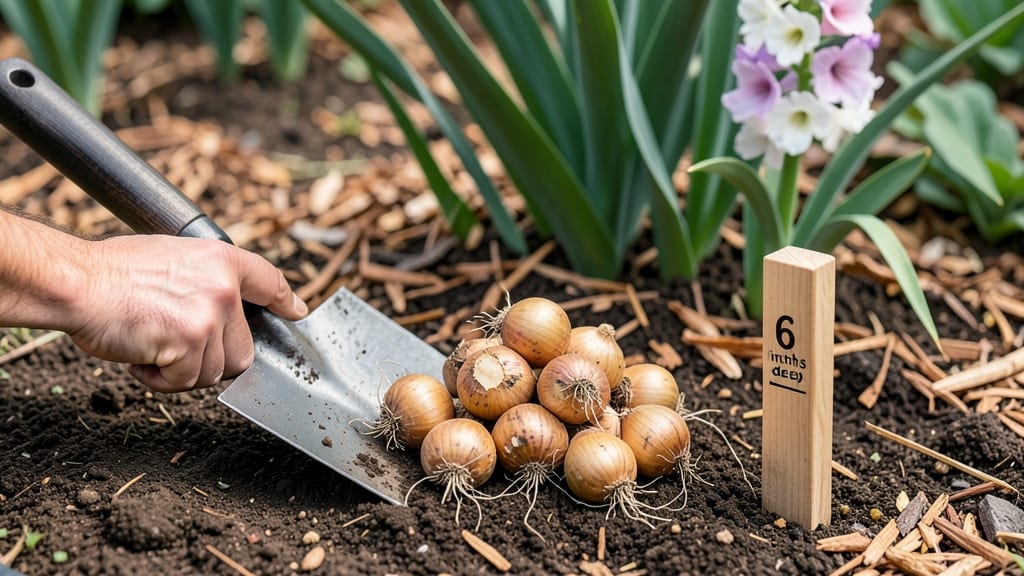
Planting gladiolus bulbs at the wrong time in North Carolina can mean the difference between show-stopping 🌸 blooms and sad, wilted stems—especially in USDA Zones 7b-8a where summer heat arrives early.
The key is nailing that sweet spot between last frost and peak humidity, which for most gardeners falls between mid-April and mid-May.
Why does timing matter so much? Gladiolus need 6-8 weeks of warm soil to establish roots before summer’s brutal heat hits. Plant too early, and frost can still linger; too late, and your bulbs may struggle to thrive before the dog days of July.
I’ll break down exactly how to sync your planting with North Carolina’s climate—plus pro tips to give your gladiolus the best shot at reaching their full 4-5 foot glory.
Beyond deadlines, we’ll cover soil prep (because clay-heavy NC soil needs love), whether to start bulbs indoors, and how to spot when you’ve messed up timing. Trust me, a little prep now means bold blooms later—no guesswork, just stunning results.
Ready to transform your garden? Let’s dive into the exact steps to plant your gladiolus bulbs for maximum impact, from soil to sunlight and everything in between.
North Carolina gladiolus planting deadlines by month: avoid these critical mistakes
North Carolina gardeners know that timing is everything when planting gladiolus bulbs. These dramatic summer flowers thrive in USDA Zones 7b-8a, but planting them too early or late can lead to weak growth or no blooms at all.
The ideal planting window spans from mid-April to mid-May for spring blooms, with a secondary window in August-September for fall flowers.
Why this timing? Gladiolus corms need 60-70°F soil temperatures to sprout properly. Planting before the last frost (typically mid-April in NC) risks frost damage, while waiting too long means roots struggle to establish before summer heat arrives.
In Zone 8a, where summers are hotter, aim for early April to give roots time to strengthen before June's heat.
Here's the key: Soil temperature matters more than air temperature. Use a soil thermometer to confirm 55°F+ before planting. In NC's Piedmont region, this usually aligns with late April, while coastal areas can plant slightly earlier due to milder conditions.
Mountain regions (Zone 7b) should wait until mid-May to avoid late frosts.
Missed the spring window? Don't panic! Plant gladiolus corms in August-September for fall blooms. These late plantings take advantage of NC's warm fall weather before winter dormancy. Just ensure they're in the ground 6-8 weeks before first frost (typically November 15 in most of NC).
| Month | Optimal Planting Window | Soil Temp Requirement | Key Consideration |
|---|---|---|---|
| Mid-April | Zone 8a (coastal) | 55°F+ | Risk of late frost |
| Late April | Piedmont region | 60°F+ | Ideal balance |
| Mid-May | Zone 7b (mountains) | 65°F+ | Avoids late frosts |
| August | Fall blooms (all zones) | 60°F+ | Establish before frost |
| September | Late fall planting | 55°F+ | Risk of early frost |
For heatwave contingency plans in Zone 8a, consider shade cloth after planting. Gladiolus can handle summer heat, but newly planted corms may struggle when soil temps exceed 85°F. Mulch with straw or pine needles to regulate soil temperature and retain moisture during NC's dry summers.
This simple step can mean the difference between thriving blooms and wilted stems.
Pro tip: Chit your gladiolus corms (pre-sprout indoors) for 2-3 weeks before planting. This head start helps them establish faster in NC's competitive garden beds. Place corms in a bright, warm spot (70°F) with the pointy end up—you'll see tiny sprouts emerge before you plant them outside.
Remember: Gladiolus are heavy feeders, so amend your soil with compost or balanced fertilizer (10-10-10) at planting. In NC's clay-heavy soils, mix in sand or perlite to improve drainage. Poor drainage is the #1 reason gladiolus fail in our state—don't let soggy soil ruin your blooms!
After planting, maintain consistent moisture but avoid waterlogging. In NC's humid summers, water in the early morning to prevent fungal diseases like botrytis. Stake your plants if they exceed 3 feet—our summer winds can flatten these dramatic spikes before they bloom.
With perfect timing and a little NC-specific care, your gladiolus will reward you with bold, show-stopping blooms from July through September. The key? Plant when soil temps are ideal, prepare your beds properly, and give them the full sun they crave—then sit back and enjoy the drama! 🌸
North Carolina gladiolus planting deadlines by month: avoid these critical mistakes
North Carolina’s USDA Zones 7b-8a create a unique challenge for gladiolus growers—plant too early, and frost can still nip tender shoots; too late, and summer’s 90°F+ heat arrives before roots establish.
My ideal planting window is mid-April to mid-May, right after the last frost date (typically March 15-April 15 across the state). This gives bulbs 6-8 weeks of warm soil before peak summer stress.
For Zone 8a gardeners (southern NC), you’ve got a slightly longer window—plant as late as early June if you’re willing to provide extra shade during July’s heatwaves.
But don’t push it: bulbs need consistent soil temps above 60°F to thrive. Use a soil thermometer if you’re unsure—60°F+ is your green light.
| Month | Planting Window | Soil Temp Requirement | Critical Mistake |
|---|---|---|---|
| March | Late March (Zone 8a only) | 55°F+ (risky) | Frost damage to emerging shoots |
| April | Mid-April to late April | 60°F+ (ideal) | Planting before last frost |
| May | Early to mid-May | 65°F+ (optimal) | Skipping soil prep |
| June | Early June (Zone 8a) | 70°F+ (with shade) | No root establishment before heat |
| August-Sept | For fall blooms (late summer) | 60°F+ (fall planting) | Overwatering before dormancy |
If you miss the spring window, don’t despair—late summer planting (August-September) can yield fall blooms before frost hits. This works especially well for short-day varieties like ‘Attraction’ or ‘Green Star’.
Just plant 6-8 weeks before your first frost (typically mid-October in NC) to ensure blooms appear before cold sets in.
Pro tip: For clay-heavy NC soils, amend with compost or sand to improve drainage—gladiolus hate soggy roots. I like to mix in aged manure for extra nutrients, but avoid fresh manure, which can burn corms. Mulch with straw after planting to retain moisture and regulate soil temperature.
Watch for heatwave warnings in June-July. If temps soar above 95°F, provide afternoon shade with lightweight shade cloth (30-50%) to protect blooms. And remember: water deeply in the morning—this prevents fungal diseases like botrytis, which thrives in humid NC summers.
Timing isn’t just about months—it’s about soil conditions. Test your soil’s pH (aim for 6.0-6.5) and add lime if needed. My gladiolus always perform best when planted in well-draining, fertile soil with consistent moisture.
Skip the shortcuts, and you’ll be rewarded with stunning 4-5 foot spikes that steal the show.