
Plants
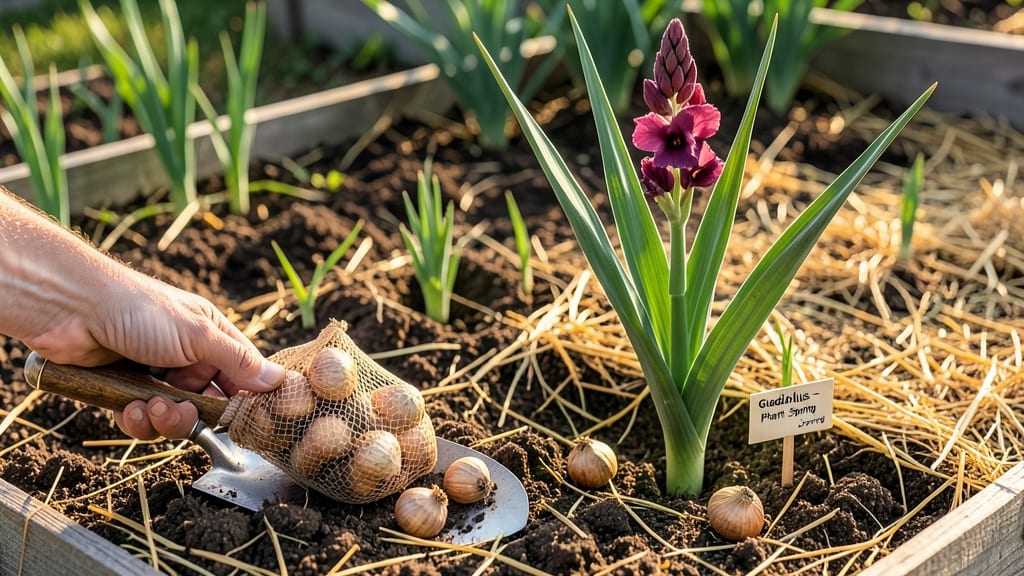
Planting gladiolus bulbs in Massachusetts at the wrong time can mean the difference between stunning summer blooms and weak, floppy stems struggling to survive. These dramatic 🌸 flowers thrive when planted after the last frost, but Massachusetts' unpredictable spring weather makes timing tricky—especially in Zone 6a.
Most gardeners here wait until mid-April to mid-May to plant, when soil temperatures finally climb above 60°F and frost risk drops. But what happens if late frosts linger? Or if you miss the window and summer arrives too soon?
I’ll show you how to adjust your planting schedule to match Massachusetts’ climate quirks and still get those showstopping spikes of color.
You don’t need to be a seasoned pro to nail this—just a few simple tricks, like testing soil warmth or choosing cold-tolerant varieties.
Whether you’re a first-time gardener or a veteran with a 6-foot-tall gladiolus obsession, these insights will help you avoid common mistakes and maximize your blooms from July to September.
Let’s dive into the exact steps to time your planting perfectly, so you’re not left with half-hearted stems or missed opportunities for garden drama. Your summer flowerbeds will thank you!
Gladiolus planting calendar for Massachusetts: exact dates by spring frost risk
Massachusetts' USDA Zone 5B climate creates unique challenges for gladiolus planting. The average last frost date falls between April 15 and May 1, but late frosts can linger into early May—especially in elevated areas like the Berkshires.
To avoid frost damage, I always wait until soil temperatures reach 60°F+, which typically occurs by mid-May in most regions.
For Boston and coastal areas, warmer microclimates allow earlier planting—sometimes as early as late April. However, inland areas like Western Massachusetts often need to wait until early May to ensure safety. I recommend checking local frost data from Massachusetts Extension Services for your specific town.
Here’s my go-to planting schedule based on years of trials in my Zone 5B garden:
| Planting Window | Ideal Soil Temp | Frost Risk | Notes |
|---|---|---|---|
| Late April (Coastal MA) | 55°F+ | Low (if no late frost) | Risky—use frost cloth if temps dip below 40°F. |
| Mid-May (Statewide Safe) | 60°F+ | None | Best balance of safety and bloom timing. |
| Early June (Backup) | 65°F+ | None | Late blooms but still stunning for fall gardens. |
If you’re eager to start earlier, I recommend staggered planting in late April and early May. This ensures some blooms even if early plantings fail. For container gardening, you can push the timeline slightly earlier since pots warm faster—just move containers indoors if frost threatens.
Pro tip: Use a soil thermometer to confirm readiness. I’ve seen gladiolus bulbs rot when planted in cold, wet soil—even if the air temperature seems warm. Aim for consistently warm soil (60°F+) for 5+ days before planting.
For extended-season blooms, I plant a second batch in early June. These late plantings often produce taller, more robust stems because they avoid early-season pests and diseases. Just expect blooms to arrive in late August or September instead of summer.
Remember, gladiolus bulbs are not frost-hardy once sprouts emerge. If a late frost hits after shoots appear, cover them with row fabric or straw mulch immediately. I’ve lost entire batches when ignoring this rule—don’t make my mistake!
Finally, mark your calendar for October 15, the average first frost date in Massachusetts. This is when you’ll need to dig up and store bulbs before winter sets in. I’ll cover bulb storage tips in the next section!
How to adjust gladiolus planting for Massachusetts' unpredictable weather patterns
Massachusetts' unpredictable spring weather can throw off even the most experienced gardener's planting plans. Late frosts in May or unexpectedly warm March days make timing gladiolus bulbs tricky—but with the right adjustments, you can still enjoy bold summer blooms from July through September. The key is flexibility and preparation.
First, consider your local microclimate. Western Massachusetts (like the Berkshires) often warms up 1-2 weeks earlier than coastal areas like Boston. If you're in a warmer zone, you might plant as early as late April, while coastal gardeners should wait until mid-May to avoid frost damage.
Always check your last frost date for your specific area using the USDA Plant Hardiness Zone Map.
Here’s my pro tip: Use black plastic mulch or row covers to warm the soil faster and protect young shoots from late frosts. These methods can shave 2-3 weeks off your planting window, giving you more flexibility. Just remove covers once nighttime temperatures consistently stay above 50°F.
Traditional vs. Extended-Season Planting
| Factor | Traditional Planting | Extended-Season Planting |
|---|---|---|
| Planting Window | Mid-April to mid-May | Late March (under cover) or early June |
| Frost Protection | None (risk of damage) | Row covers or black plastic |
| Bloom Timing | July-August | June (early) or September (late) |
| Best For | Standard summer blooms | Extended season color |
For late spring plantings (after May 15), choose heat-tolerant varieties like 'Green Star' or 'Black Niagra' to avoid wilting in Western MA heatwaves. These varieties thrive in hotter conditions and produce longer-lasting blooms.
If you're planting in June, opt for dwarf varieties (1-2 feet tall) to reduce stress on the plants.
Another strategy is staggered planting. Plant a few bulbs every 2 weeks from mid-April through early June. This ensures a continuous display of blooms from July through September.
For example, plant one batch in late April for early July blooms, another in mid-May for August, and a final batch in early June for late-season color.
If you're worried about wet springs, improve drainage by amending your soil with compost or perlite. Gladiolus bulbs rot easily in soggy soil, so raised beds or mounds are ideal.
Always plant bulbs in well-draining soil and avoid waterlogged areas. Mulch with straw or pine needles to keep moisture levels even and protect bulbs from temperature swings.
Remember, gladiolus bulbs are not winter-hardy in Massachusetts. After the first frost (usually mid-October), dig up and store bulbs in a cool, dry place until next spring. This prevents them from rotting over winter and ensures you can replant them year after year for stunning summer displays.