
Plants
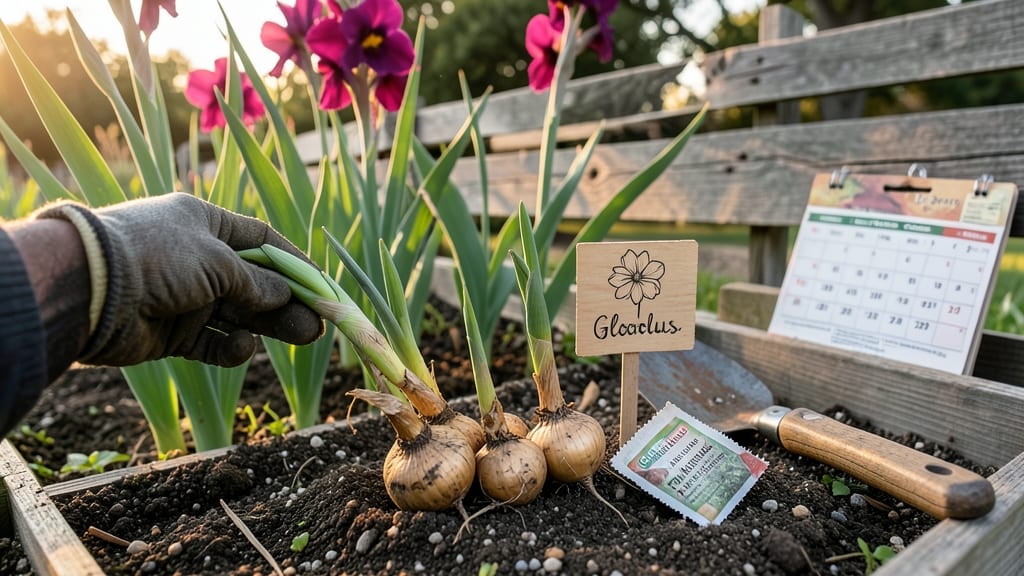
Timing your gladiolus bulbs planting in Colorado can mean the difference between a showstopping summer garden and a sad, frost-nipped disappointment. These dramatic 🌸 blooms need precise conditions to thrive in USDA Zones 5B/6A, where late frosts and high-altitude quirks can throw off even the most experienced gardeners.
Most Colorado gardeners wait until late April to early June—right after the last frost—to plant their gladiolus corms. But with our state’s unpredictable weather, even that window can shift dramatically depending on elevation.
Get it wrong, and you’ll either have stunted plants or flowers that arrive too late for their full glory.
I’ll break down exactly when to plant for your specific zone, how to adjust for Colorado’s unpredictable frost dates, and which varieties perform best in our short growing season.
By the end, you’ll know exactly when to stick those corms in the ground for bold, long-lasting blooms that’ll make your neighbors green with envy.
Ready to transform your garden into a summer spectacle? Let’s dive into the perfect planting schedule that works for Colorado’s climate—no guesswork required.
Optimal planting dates for gladiolus in Colorado’s zone 5B/6A climate
Colorado’s USDA Zones 5B/6A offer a short but sweet growing window for gladiolus, where precise timing separates stunning summer blooms from frost-damaged corms.
The last average frost date in most Colorado front range areas falls around April 15, but high-altitude zones (like Zone 5B in Denver or Boulder) can experience late frosts into May.
This means your planting window is narrower than in warmer climates—typically early May to mid-June—to ensure blooms before fall’s first frost (mid-October).
Gladiolus corms thrive when soil temperatures reach a steady 60°F (15°C), which Colorado typically hits by late April to early May at lower elevations. However, high-altitude gardens (7,000+ feet) may need to wait until mid-May for soil warmth.
Use a soil thermometer to confirm readiness—planting too early risks frost damage, while waiting too long cuts bloom time short. My personal rule is to plant when daytime temps consistently stay above 50°F (10°C).
For front range gardeners (Denver, Colorado Springs, Fort Collins), aim to plant gladiolus corms between May 1 and June 15. This schedule aligns with Colorado State University’s recommended planting dates and gives flowers time to mature before fall frosts hit in October.
In western Colorado (Grand Junction, Durango), where summers are hotter, you can push planting to late June for late-season blooms.
Here’s the key timeline for Colorado gardeners: April 15: Last average frost date (front range) May 1-15: Ideal planting window (soil warmed to 60°F) June 1-15: Extended window for high-altitude areas July-August: Bloom season (peak in July) October 15: First fall frost risk
| Stage | Action | Colorado Timing |
|---|---|---|
| Soil Preparation | Amend with compost, ensure drainage | April (after last frost) |
| Planting Depth | 4-6 inches deep, 4-6 inches apart | May 1-June 15 |
| Sprouting | Shoots emerge in 2-3 weeks | Late May-early June |
| Bloom Season | Cut flowers when 2-3 buds open | July-August |
| Post-Bloom Care | Leave foliage until frost | September-October |
Pro tip: Use black plastic mulch in early spring to warm soil faster—this lets you plant 2-3 weeks earlier in cooler microclimates. I’ve seen 10°F warmer soil under black plastic by early May, which is a game-changer for high-altitude gardens.
Just remove the mulch once plants emerge to prevent overheating. For container gardening, start corms indoors in late April and transplant after the last frost.
Colorado’s dry climate and intense sunlight make gladiolus a star performer, but altitude adjustments are critical. At elevations above 8,000 feet, plant 1-2 weeks later than front range schedules. For example, in Leadville (Zone 5B), I’ve had success planting in late May instead of early May.
The trade-off? Fewer blooms, but the ones you get are hardier and longer-lasting due to cooler nights.
Another Colorado-specific hack: Stagger your planting in 2-week intervals to extend your bloom season from July to September. Plant 1/3 of your corms in early May, another 1/3 in mid-May, and the final 1/3 in early June.
This ensures continuous cut flowers for arrangements or bouquets. Just mark your rows with colored flags to track each planting batch—trust me, you’ll thank yourself in August when your neighbors’ gladiolus are fading!
Watch for late spring frosts, which can still hit Colorado into early June, especially in mountain valleys. If frost is forecasted after planting, cover young shoots with frost cloth or an old bedsheet.
I’ve saved entire rows this way—just secure the cover with bricks or rocks so wind doesn’t tear it. For hail-prone areas (like northern Colorado), consider planting near windbreaks or fences to protect emerging shoots.
Finally, remember that gladiolus are not perennial in Colorado’s climate—they’ll die back to corms each winter. If you want to save and replant corms, dig them up after the first frost in October, cure them in a dry, dark place for 2 weeks, then store in a cool
Optimal planting dates for gladiolus in Colorado’s zone 5B/6A climate
Colorado’s USDA Zones 5B/6A offer a short but sweet window for planting gladiolus bulbs. The key is timing—aim for late April to mid-June after the last frost date, which typically lands between April 15 and May 15, depending on elevation.
High-altitude areas like Denver or Boulder may need to wait until early May to avoid late frosts that can damage tender corms.
Soil temperature is your best indicator: gladiolus thrive when soil reaches 60°F (15°C). Use a soil thermometer to confirm readiness, especially in cooler mountain regions. In Front Range cities, this usually aligns with mid-May, while western slopes may be ready by late April.
Planting too early risks frost damage, while late planting delays blooms until late summer or fall, cutting your display short.
| Planting Stage | Colorado Timeline | Key Considerations |
|---|---|---|
| Soil Warming | Late April - Early May | Use black plastic mulch to raise soil temp 2-3°F faster |
| Last Frost Date | April 15 - May 15 | Check Almanac for your specific microclimate |
| Ideal Planting Window | Early May - Mid-June | Avoid July planting—blooms won't mature before frost |
| Bloom Timeline | July - September | Early May plantings bloom first; June plantings follow |
For extended bloom seasons, stagger your plantings in two-week intervals. Start with early varieties in early May, then follow with mid-season types in mid-June. This creates a continuous display from July through September.
In Zone 6A areas like Colorado Springs, you can even squeeze in a late-June planting for fall color, though blooms may be smaller.
Colorado’s dry climate and variable weather demand preparation. Before planting, amend your soil with compost or aged manure to improve moisture retention. Gladiolus corms need well-draining soil—amend heavy clay with sand or perlite to prevent rot.
Choose a sunny, sheltered spot to minimize hail damage, which is common in summer storms.
Remember: gladiolus are tender corms, not true bulbs. They won’t survive winter in Colorado’s ground, so dig them up after the first frost in October and store them in a cool, dry place until next spring. This annual cycle means your planting window is your only chance—don’t miss it!
Pro tip: Mark your calendar for June 21, the summer solstice. This is your last chance to plant gladiolus for a meaningful bloom before Colorado’s fall frosts arrive in October. With perfect timing, you’ll enjoy cut flowers from your garden for cutting arrangements all summer long. 🌸