
Plants
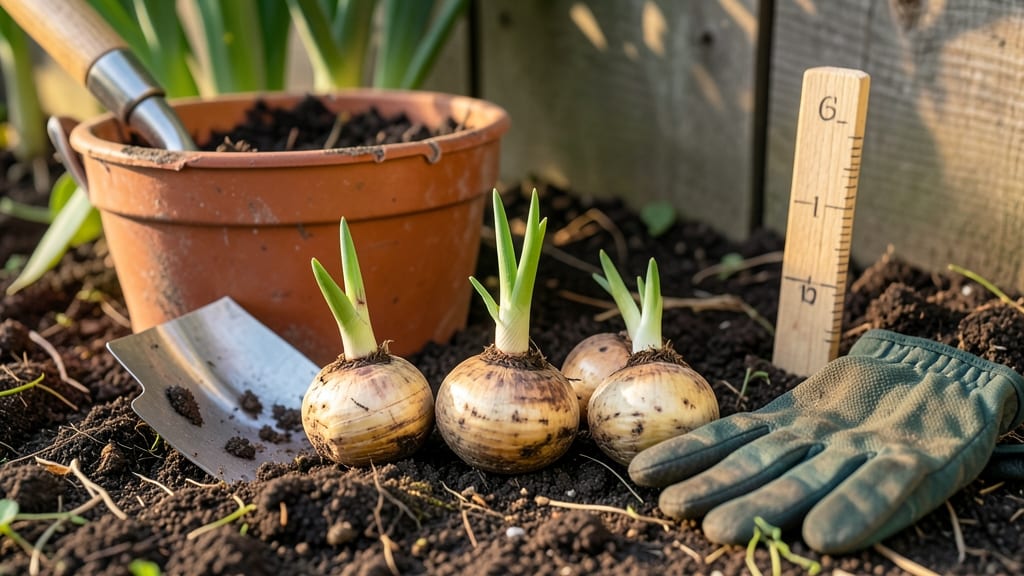
If you're dreaming of vibrant gladiolus blooms 🌸 lighting up your Connecticut garden, knowing when to plant gladiolus bulbs in CT is the secret weapon—because planting too early risks frost damage, while waiting too long shrinks your bloom season.
Connecticut's unpredictable spring means you can't just follow a generic calendar; you need to sync with your local heat zone and last frost dates to give these dramatic flowers their best shot at thriving.
For most of Connecticut—especially in USDA Zone 6a—your ideal planting window opens around mid-April to early May, when soil temperatures consistently hit 60°F+ and the danger of frost has passed.
But here's the catch: coastal areas like Stamford might be ready a week earlier than inland spots near Hartford, thanks to those pesky microclimates that make gardening in CT such a puzzle.
Let me show you exactly how to read your garden's signals and adjust your schedule for zero-frost risk blooms.
What happens when you get the timing right? You're rewarded with taller, healthier stalks that burst into color from July through September, giving you that coveted summer showstopper.
The key is planting your gladiolus corms 4-6 weeks before your last frost date—about 4-6 inches deep—so they establish roots before the real heat arrives.
I'll walk you through exactly when to put them in the ground, how to prep your soil (because CT's clay-heavy dirt has its quirks), and why lifting those bulbs before the first frost in October is non-negotiable.
Ready to transform your garden into a gladiolus paradise? Let's dive into the precise planting schedule, soil secrets, and pro tips that'll have your neighbors asking for your green thumb—without any guesswork. Your zero-frost, maximum-bloom season starts here.
Connecticut’s frost-free planting dates for gladiolus bulbs by heat Zone
Timing your gladiolus bulb planting in Connecticut hinges on two critical factors: last frost dates and soil temperature. Most of CT falls in USDA Zones 5-7, where frost lingers until mid-April in inland areas but arrives later in coastal zones like Stamford or New Haven.
Planting too early risks frost damage, while waiting too long shortens your bloom season—typically July to September.
For zero-frost risk, aim to plant gladiolus corms when soil temperatures consistently reach 60°F+. This usually aligns with late April to early May in most of CT.
In Zone 5 areas (e.g., Hartford), wait until May 1; in Zone 6-7 (coastal or southern CT), you can start as early as mid-April.
Here’s a region-specific breakdown of when to plant gladiolus bulbs in CT’s most common heat zones, including 2024 average frost-free dates for key cities:
| USDA Zone | City/Region | Last Frost Date | Optimal Planting Window | Soil Temp Threshold |
|---|---|---|---|---|
| Zone 5 | Hartford, Torrington | April 15 | May 1–15 | 60°F+ |
| Zone 6a | New Haven, Bridgeport | April 1 | April 20–May 5 | 60°F+ |
| Zone 6b | Stamford, Norwalk | March 25 | April 10–25 | 58°F+ |
| Zone 7a | Groton, New London | March 15 | April 1–15 | 55°F+ |
Microclimates matter in CT! Coastal areas like Stamford or New London warm up faster due to moderating ocean breezes, while inland zones (e.g., Litchfield Hills) may need to wait until May 1.
Use a soil thermometer to confirm readiness—gladiolus corms won’t sprout until soil hits 60°F.
Pro tip: Succession planting works well in CT’s short season. Plant two batches—one in early May for July blooms and another in late June for September flowers. This extends your cut-flower harvest by 8+ weeks!
If you’re unsure about your last frost date, check the CT Agricultural Experiment Station’s frost charts or use the Almanac’s Frost Calculator. For container gardening, you can plant 2 weeks earlier since pots warm up faster in full sun.
Remember: Gladiolus bulbs are tender and won’t survive CT’s first frost (mid-October). Plan to lift and store corms after leaf yellowing begins—usually by October 15. Store them in a cool, dry place (like a garage) until next spring.
For maximum blooms, choose early-season varieties like ‘White Prosperity’ (blooms in July) or ‘Black Star’ (blooms in August-September). These thrive in CT’s short growing season and resist thrips, a common CT pest.
🌸
5 Critical signs your Connecticut soil is ready for gladiolus planting
Don't just guess when to plant your gladiolus bulbs—your Connecticut soil might be sending you clear signals it's ready. I've learned to watch for these 5 key indicators that tell me the moment is perfect for planting, especially important since CT's clay-heavy soils can be tricky.
The first sign? Your soil should reach 60°F+ consistently, which usually happens around mid-April for most of the state.
Next, check for blooming dandelions—their bright yellow flowers mean spring is firmly established. If you're in coastal areas like Stamford, these might appear a week earlier than inland spots.
Another visual cue is when fern fronds begin unfurling—this typically aligns with soil temperatures perfect for gladiolus corms to sprout without frost risk.
🌱
🌱 5 Critical Soil Readiness Signs for Gladiolus Planting
- 🌡️ Soil temp: 60°F+ for 3+ days
- 🌼 Dandelions blooming in your yard
- 🌿 Fern fronds unfurling (1-2 inches open)
- 💧 Moisture test: 1-inch deep soil feels damp but not soggy
- 🌱 No frost predicted for 2+ weeks
💡 Pro Tip: Use a soil thermometer—CT's clay holds cold longer than sandy soils!
For those with heavy clay soils common in CT, I recommend adding compost or sand to improve drainage before planting. The moisture test is crucial—stick your finger 1 inch deep; if it feels damp but not waterlogged, your gladiolus corms will thrive.
Remember, coastal areas like New Haven dry out faster than inland Hartford, so adjust your watering schedule accordingly.
One mistake I see often is planting when the soil is still too cold. Gladiolus corms need warmth to sprout, and cold soil can lead to rot or delayed blooming. If you're unsure, wait until you've seen at least 3 consecutive days above 60°F.
This timing ensures your bulbs establish roots before the summer heat arrives, giving you those showstopping blooms from July through September.
Finally, check your local frost forecast—CT's unpredictable spring means you shouldn't plant until you're confident in a 2-week frost-free window. The National Weather Service's Frost/Freeze Forecast is my go-to resource for this.
When all these signs align, you're ready to plant your gladiolus bulbs with confidence, knowing they'll thrive in Connecticut's unique growing conditions.
🌿