
Plants
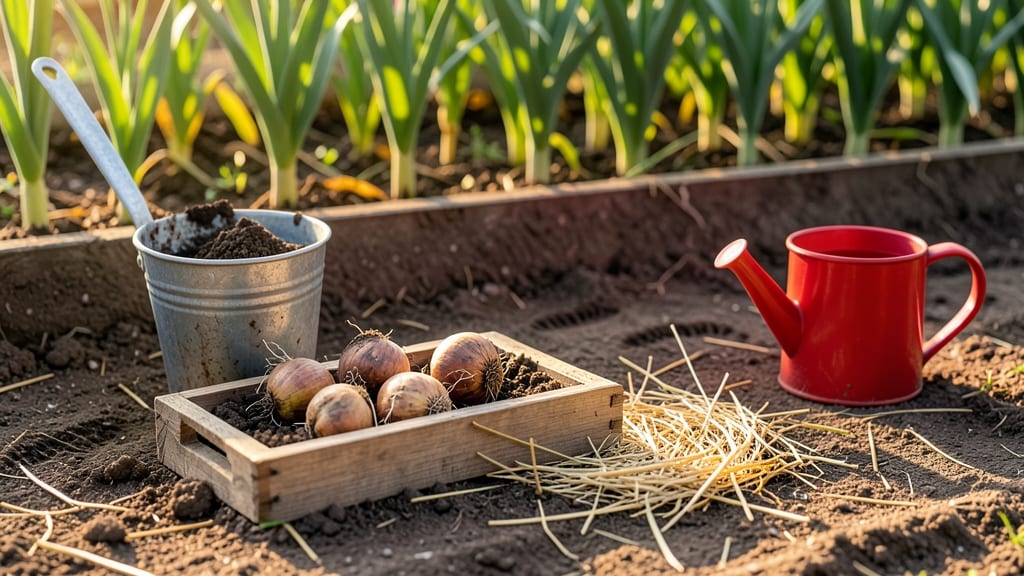
Planting gladiolus bulbs at the wrong time in Oklahoma can mean the difference between a showstopping summer garden 🌸 and a sad, frost-nipped disappointment. The key to vibrant blooms lies in timing—specifically, waiting until after your last frost date but before the soil gets too hot.
With Oklahoma’s USDA Zones 6b-7a and unpredictable spring weather, knowing the exact window matters. I’ve tracked local frost dates and soil temperatures to give you a foolproof schedule that works for Oklahoma City, Tulsa, and everywhere in between. No more guessing whether your bulbs are safe or at risk.
Here’s what you’ll discover: the precise week-by-week planting schedule tailored to Oklahoma’s climate, plus how to adjust if your area runs warmer or cooler than average. We’ll also cover soil prep tricks to give your gladiolus the best start—because even the perfect timing won’t help if the ground isn’t ready.
Ready to grow taller, healthier gladiolus with fewer worries? Let’s dive into the exact steps that’ll have your garden bursting with color from July through September—without a single frost-related setback.
Oklahoma gladiolus planting calendar: exact weeks to avoid frost damage
Timing is everything when planting gladiolus bulbs in Oklahoma. The last average frost date for most of the state falls around March 15, but late frosts can linger into April—especially in higher elevations like Oklahoma City (USDA Zone 7a) or Norman.
Planting too early risks frost damage, while waiting too long may shorten your summer-to-fall blooms.
For zero frost risk, aim to plant gladiolus bulbs between mid-April and early May in most of Oklahoma. This window ensures soil temperatures stay above 55°F, the minimum needed for bulbs to sprout consistently.
In Tulsa (Zone 7b), you can start slightly earlier—around late March—if you’re confident frost has passed.
Here’s your week-by-week planting schedule based on Oklahoma’s USDA Zones 6b-8a, including key milestones like soil warming and bloom timing:
Gladiolus bulbs need 4-6 inches of depth and 6 inches of spacing to thrive. In Oklahoma’s clay-heavy soils, amend with sand or compost to improve drainage—gladiolus hate soggy roots. After planting, water deeply to settle the soil and encourage root growth.
Once planted, gladiolus bulbs will sprout in 2-3 weeks if soil temps are ideal. Expect blooms from July to September, with later plantings yielding shorter stems but still vibrant flowers.
For longer stems, plant bulbs in early April—this gives them 120+ days to mature before Oklahoma’s first frost.
If you’re in Zone 8a (southern Oklahoma), you can push planting to early June for a fall display, but blooms will be smaller. Always monitor weather forecasts—Oklahoma’s unpredictable spring can bring late frosts even after April 15.
For container gardening, use well-draining pots and plant bulbs in late April to avoid frost. Containers warm up faster than ground soil, so they’re ideal for urban gardeners in Oklahoma City or Tulsa with limited ground space.
Remember: Gladiolus bulbs are tender and won’t survive Oklahoma’s winters. After blooming, dig up bulbs before the first frost (usually by November 15) and store them in a cool, dry place until next spring.
How to adjust planting time for Oklahoma’s microclimates and soil conditions
Oklahoma’s varied microclimates mean your neighbor’s perfect planting time might not work for you. For example, Oklahoma City’s higher elevation often experiences frost later than Tulsa’s lower-lying areas. Always check your local last frost date—typically March 15 for most regions—but confirm with your cooperative extension office for precision.
Urban gardeners in concrete-heavy areas (like downtown Oklahoma City) face hotter soil faster than rural spots. If your soil heats up quickly, plant 2-3 weeks earlier than the average schedule. Use a soil thermometer to aim for 55°F+ before planting—this ensures roots establish without stress.
Your soil’s drainage and organic matter also dictate timing. Gladiolus bulbs rot in soggy soil, so amend heavy clay with compost or sand before planting. If your soil drains poorly, wait until late April or early May to reduce waterlogging risks during Oklahoma’s unpredictable spring rains.
🌱
🌱 Adjust Your Planting Time Based On:
- 🌡️ Soil Temperature: Wait until soil hits 55°F+ (use a thermometer)
- 📍 Location: Urban areas? Plant 2 weeks earlier than rural zones
- 💧 Drainage: Poor drainage? Delay until late April-early May
- 🌿 Elevation: Higher altitude? Extend window to early May
- 🌧️ Rainfall: Heavy spring rains? Wait for dry spells before planting
For container gardening, you have more flexibility. Potted gladiolus can be planted 2-3 weeks later than in-ground varieties since containers warm up faster. Just ensure pots have drainage holes and use lightweight potting mix to prevent overheating.
If you miss the ideal window, don’t panic! You can still plant gladiolus bulbs in early June for a fall bloom. While flowers may be smaller, this trick extends your season into October—perfect for late-summer weddings or holiday arrangements.
Pro tip: Mark your calendar for November 15, Oklahoma’s average first frost. This helps you time your final harvest and bulb removal before winter sets in. Dig up corms after foliage yellows to store them indoors for next year’s garden.