
Plants
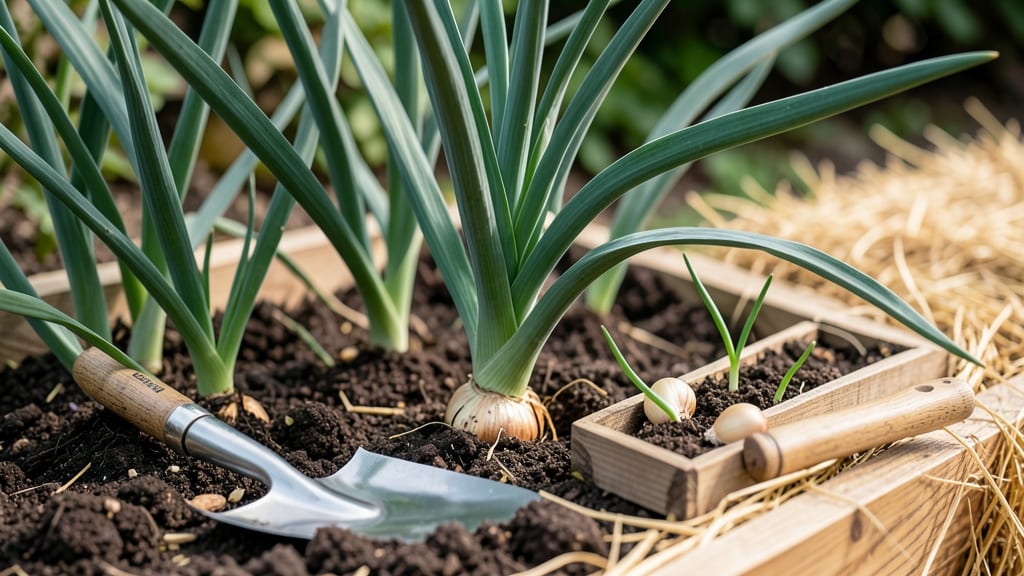
Planting garlic in North Dakota isn’t just about timing—it’s about outsmarting the 4a zone’s brutal winters to grow hardneck varieties that’ll actually thrive.
If you’ve ever watched your garlic freeze before bulbing or bolt before harvest, you know the stakes: get the window wrong, and you’re left with disappointing harvests—or worse, no harvest at all.
The best time to plant in North Dakota isn’t spring—it’s late September to early October, when soil temps drop but the ground stays workable. This 6-week window before frost locks in the roots while protecting the cloves from winter’s worst.
But here’s the catch: hardneck garlic needs cold to form bulbs, so planting too late or too early throws off the whole process.
I’ve grown garlic in North Dakota for years, and the difference between a successful crop and a failed one often comes down to one thing: knowing exactly when to plant.
Whether you’re a first-timer or a seasoned gardener, these proven strategies will help you avoid common mistakes and grow garlic that’s big, bold, and ready by mid-July—no matter how harsh the winter.
Ready to master the timing? Let’s break down the exact steps to plant garlic in North Dakota—so you can finally get the harvest you’ve been waiting for.
Optimal planting windows for hardneck garlic in North Dakota’s climate zones
North Dakota’s USDA zones 3–5 create unique challenges for garlic growers, but hardneck varieties thrive when planted at the right time. The key window is late September through early October, when soil temperatures drop below 50°F (10°C) but before the ground freezes solid.
This timing ensures garlic cloves establish roots while benefiting from winter’s cold period—a critical step for hardneck development.
In Zone 4a (most of ND), aim to plant garlic 4–6 weeks before the first hard frost, typically by October 1. For Zone 3 areas (northwest ND), push planting to early September to avoid early freezes.
The goal is to let cloves root deeply before winter dormancy begins, setting the stage for next summer’s harvest.
Microclimates matter in ND. Southern regions (e.g., Fargo) can plant slightly later due to milder winters, while northern areas (e.g., Minot) need earlier planting. Elevation also plays a role: higher elevations freeze sooner, so adjust your timeline accordingly.
Always check your local frost dates—ND’s can vary by 2–3 weeks between regions.
Why fall planting? Hardneck garlic requires vernalization—a cold period to trigger bulb formation. Planting in fall ensures garlic gets the 40–60 days below 40°F (4°C) it needs.
Spring planting in ND often results in smaller bulbs or poor flavor, as the growing season is too short for full development.
| USDA Zone | Optimal Planting Window | Soil Temp Threshold | Key Consideration |
|---|---|---|---|
| Zone 3 (Northwest ND) | Early September | Below 50°F (10°C) | Earlier frost dates; prioritize root establishment |
| Zone 4a (Central/Southern ND) | Late September–Early October | 45–50°F (7–10°C) | Balanced window for cold exposure and root growth |
| Zone 5 (Southeast ND) | Mid-October (with protection) | 40–45°F (4–7°C) | Later planting possible with mulch/row covers |
Miss the fall window? Spring planting is possible in ND, but results are hit-or-miss. Plant in early April (as soon as soil is workable) and expect smaller bulbs or no bulb formation at all.
Spring-planted garlic lacks the cold vernalization period, so it’s best reserved for green garlic harvests or experimental trials.
For maximum bulb size, prioritize fall planting and focus on soil preparation before the first frost. Work in compost or aged manure in early fall to enrich the soil, and choose a sunny, well-draining location.
Avoid planting in low-lying areas where cold air pools, as these spots freeze deeper and longer.
Garlic planted in September–October will emerge in early spring (March–April) and grow rapidly through June and July. By mid-July, hardneck varieties in ND are ready for harvest—just as the lower leaves turn brown and the bulbs feel firm.
Timing is everything, so mark your calendar and don’t wait until the ground freezes!
Remember: Hardneck garlic needs cold. ND’s winters provide the perfect conditions if you plant at the right time. With the correct window, you’ll harvest plump, flavorful bulbs that store well through the year. 🌱
Optimal planting windows for hardneck garlic in North Dakota’s climate zones
North Dakota’s USDA Zones 3-5 create unique challenges for garlic growers, but hardneck varieties thrive when planted at the right time. The critical window spans from late September to early October, allowing bulbs to establish roots before winter dormancy. This timing ensures robust growth when spring arrives.
Hardneck garlic needs 4-6 weeks before the ground freezes to develop strong roots. In most of North Dakota, this means planting between September 20 and October 10, aligning with the average first frost date of October 15.
Adjust slightly earlier in Zone 3 areas like Devils Lake or later in Zone 5 regions near the Minnesota border.
Soil temperature plays a key role—ideal planting conditions occur when soil reaches 40-50°F. Use a soil thermometer to confirm readiness, especially in microclimates like sheltered valleys where frost arrives later. Warmer soil speeds root establishment, giving garlic a head start for spring growth.
🌱 North Dakota Garlic Planting Timeline
| Zone | Ideal Planting Window | Soil Temp Threshold | Key Consideration |
|---|---|---|---|
| 3 (e.g., Grand Forks) | Sep 15–Sep 25 | 40–45°F | Earliest frost risk |
| 4a (e.g., Bismarck) | Sep 20–Oct 5 | 45–50°F | Standard ND window |
| 5 (e.g., Jamestown) | Oct 1–Oct 10 | 50–55°F | Later frost dates |
Missed the fall window? Spring planting is possible but yields smaller bulbs. Plant as early as March when soil thaws, but avoid late spring (after April 15) to prevent bolting.
Hardneck garlic planted in spring may not develop full-sized bulbs before harvest, making fall the only reliable option for quality harvests.
Regional microclimates can shift planting dates by 1-2 weeks. For example, sheltered garden beds near buildings or south-facing slopes may stay frost-free longer, allowing a later planting.
Conversely, low-lying areas like river valleys often freeze earlier, requiring an earlier start. Observe your garden’s frost patterns for 2–3 years to refine your timing.
Protect your garlic from winter heaving (when soil freezes and thaws, pushing bulbs up) by planting in well-drained soil and adding a 3-inch layer of straw mulch after planting. This insulation keeps soil temperatures stable and prevents bulb exposure, even during North Dakota’s harsh winters.