
Plants
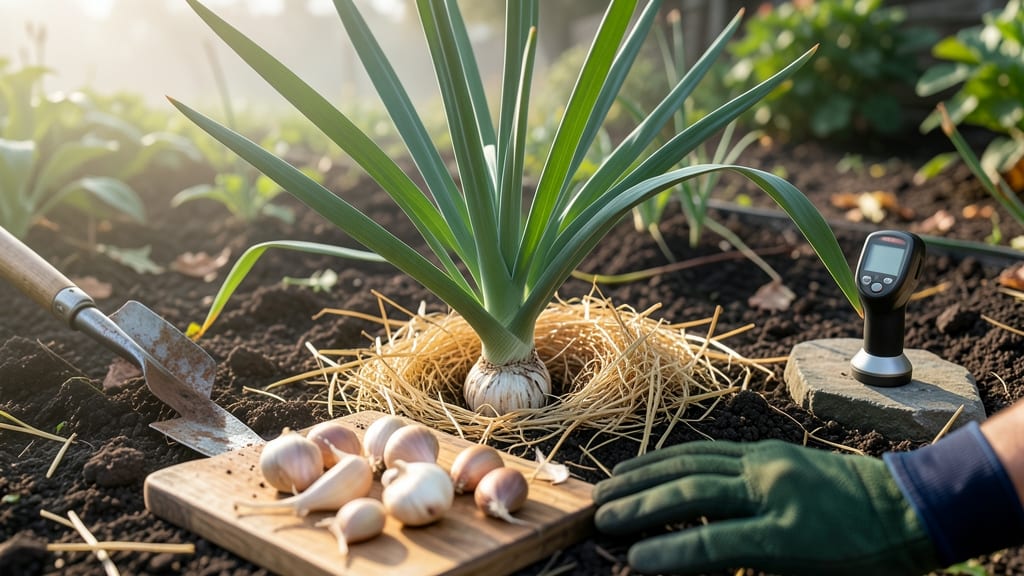
If you’re growing 🧄 garlic in Oregon, timing your planting could mean the difference between a bumper crop and a disappointing harvest. The perfect window isn’t just about the calendar—it’s about understanding your region’s microclimates, from the rainy Willamette Valley to the drier high deserts.
Most Oregon gardeners swear by fall planting, between October and November, when soil temperatures dip and days grow shorter. This gives garlic’s roots time to establish before winter dormancy, setting the stage for robust bulbs the following summer.
But if you miss that window, don’t panic—late winter (February) can still work, especially in milder zones like 7b-9a.
Here’s the game-changer: aligning your planting with Oregon’s frost patterns. In Portland, aim for 4-6 weeks before the ground freezes (usually by mid-November), while high-altitude areas like Bend may need an earlier start.
We’ll break down the exact steps to time it right, so you avoid common mistakes like planting too late or choosing the wrong variety for your climate.
Ready to grow garlic that rivals the best at farmers’ markets? Let’s dive into the climate-smart months that’ll make your harvest the envy of the neighborhood—and how to adjust for your specific corner of Oregon.
Best planting months for garlic in Oregon: hardneck vs softneck varieties
Oregon’s cool, wet winters and mild summers create the perfect conditions for growing hardneck garlic, the variety most gardeners prefer here. Unlike softneck varieties, hardneck thrives in USDA zones 4-8, which covers nearly all of Oregon.
The key to a bountiful harvest? Planting at the right time—typically 4-6 weeks before the first hard frost, which in Oregon usually lands between mid-October and mid-November.
For Willamette Valley gardeners (like those in Portland or Salem), aim for late October to early November. In Eastern Oregon (Bend, La Grande), where frost arrives earlier, September to early October is ideal.
Softneck garlic, less common in Oregon but still grown, prefers spring planting in February, but it rarely performs as well as hardneck in our climate.
Here’s the critical detail: Garlic needs cold exposure to form bulbs. If you plant too late, it won’t get enough chill hours, and you’ll end up with small, pungent cloves instead of plump, flavorful bulbs.
Conversely, planting too early can lead to premature sprouting or even rot in Oregon’s wet winters.
🌱
| Variety | Best Planting Window | Oregon Regions | Key Notes |
|---|---|---|---|
| Hardneck Garlic | October 15 - November 15 | Willamette Valley, Coast, Western OR | Needs cold for bulb formation; plant 4-6 weeks before frost. |
| Hardneck Garlic | September 15 - October 15 | Eastern OR (Bend, La Grande) | Earlier frost = earlier planting; avoid soggy soil. |
| Softneck Garlic | February (late winter) | Anywhere in OR (less ideal) | No cold requirement; smaller yields in OR’s climate. |
If you’re in Zone 7b-8a (most of Oregon), hardneck varieties like 'German White' or 'Music' are your best bet. These varieties produce scapes (the curly green shoots) in early summer, adding a bonus harvest.
Plant them in well-draining soil with full sun exposure, and space cloves 4-6 inches apart in rows 12 inches apart.
For high-altitude areas (like Mount Hood or the Cascades), adjust your planting window 2-3 weeks earlier to account for earlier frosts. Use a soil thermometer to check that soil temps are below 50°F—garlic won’t sprout until temperatures drop this low.
Pro tip: Break apart garlic bulbs into individual cloves right before planting. Larger cloves yield bigger bulbs, but even small ones will grow if given the right conditions. Just remove any papery skins and plant the pointy end up, about 2 inches deep.
🌿
One common mistake Oregon gardeners make is planting garlic too close together, which leads to crowded, underdeveloped bulbs. Another is ignoring soil drainage—Oregon’s rainy winters can turn garden beds into mud pits, suffocating garlic roots.
Always plant in raised beds or mounded soil if your yard stays soggy.
Finally, mulch heavily after planting with straw or leaves to insulate the soil and protect cloves from freeze-thaw cycles. This is especially critical in coastal Oregon, where mild winters can cause uneven freezing.
🧄
How to time garlic planting for maximum yield in Oregon’s climate
Timing your garlic planting in Oregon isn’t just about picking a month—it’s about reading the seasonal cues that ensure your cloves develop into plump, flavorful bulbs. Unlike many crops, garlic thrives when planted in fall or late winter, allowing it to establish roots before dormancy.
In Oregon, this means aiming for October to November for hardneck varieties, which are the best fit for our cool, wet winters.
Garlic needs 4-6 weeks before the ground freezes to root properly. For most of Oregon, this translates to planting between October 15 and November 15, though high-altitude areas like Bend may need to plant earlier (by mid-October).
Check your last frost date—Portland’s is around November 15, while Medford’s is closer to November 1—and adjust accordingly.
🌱 Numbered Highlights: Oregon Garlic Planting Timeline
- 📅 October 15–31: Ideal window for hardneck varieties in most of Oregon. Soil temps should be 40–50°F.
- ❄️ November 1–15: Last call for lowland areas (e.g., Willamette Valley). Avoid planting after first frost.
- ⏰ Late February: Spring planting option for missed fall windows, but yields may be smaller.
- 🌡️ Soil Temp Check: Use a soil thermometer—garlic roots best in 50–60°F soil.
- 🌙 Moon Phase Tip: Some gardeners swear by planting during a waxing moon for stronger roots.
Don’t rely solely on dates—soil temperature is your true guide. Garlic roots best when soil is between 50–60°F. Use a soil thermometer to confirm readiness, especially in Eastern Oregon, where nights can drop faster.
If your soil is still warm (above 60°F), wait a week or two before planting to avoid rot or poor root growth.
Oregon’s rainy winters can complicate planting, but well-draining soil is non-negotiable. Amend heavy clay with compost or sand to prevent waterlogging, which leads to rotting cloves.
A quick soil test for pH (6.0–7.0) ensures your garlic gets the nutrients it needs to thrive. If your soil is too acidic, add lime before planting.
Pro tip: Separate cloves from the bulb just before planting, ensuring each has a paper-thin skin attached. Plant them 2 inches deep and 4–6 inches apart in rows 12 inches apart.
This spacing gives bulbs room to expand and reduces competition for nutrients. Mulch with straw or leaves after planting to insulate roots during winter’s freeze-thaw cycles.
Finally, resist the urge to plant garlic too early. If you plant in September, the cloves may sprout and die back before winter, wasting your effort. Similarly, planting in December or later risks exposing young plants to harsh winter conditions.
Stick to the October–November window, and you’ll set your garlic up for a bountiful summer harvest.