
Planting
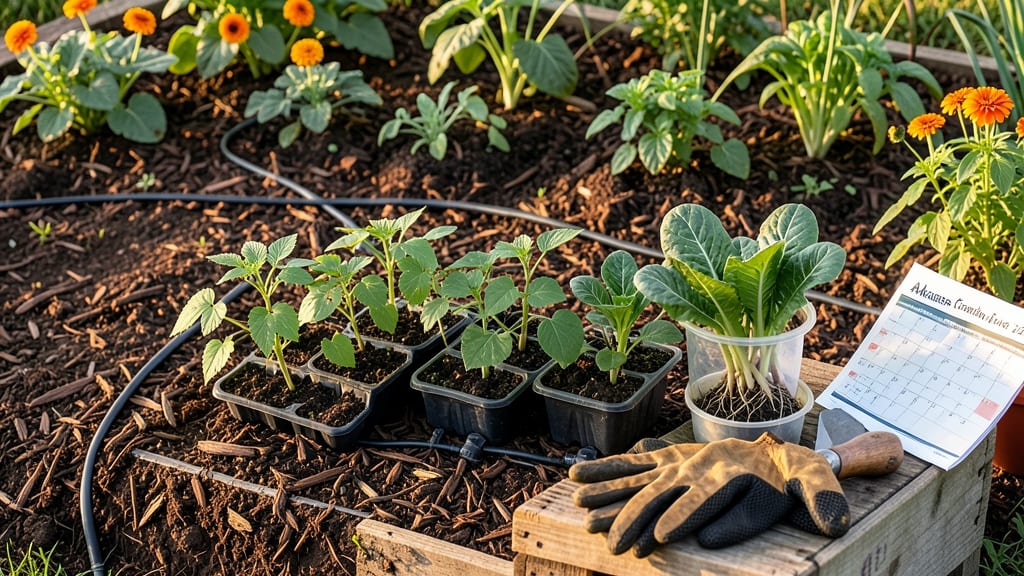
When to plant a garden in Arkansas could make or break your harvest this year—one late frost in Zone 7a/7b and your tender seedlings turn into sad, wilted memories. I’ve seen firsthand how a few weeks’ difference transforms a lush garden into a lesson in patience (and frustration).
Here’s the truth: Arkansas’s spring weather is famously unpredictable, with last frost dates swinging wildly between March 15 and April 15, depending on your corner of the state.
But don’t let that scare you off—knowing the exact window for planting warm-season crops like tomatoes or cool-season greens can mean the difference between a bumper crop and a sad, half-eaten salad.
I’ll walk you through the zero-frost risk deadlines for Arkansas, so you can plant with confidence—whether you’re a first-timer or a seasoned gardener looking to squeeze every extra day out of the season.
Spoiler: It’s not just about dates, but also soil warmth, humidity tricks, and how to outsmart Arkansas’s infamous late cold snaps.
Ready to turn your garden dreams into reality? Let’s dive into the planting schedule that actually works for Arkansas’s climate—no guesswork, just results. Your future harvest (and your dinner table) will thank you.
Arkansas planting calendar by season: last frost dates and zero-frost risk windows
Arkansas gardeners face unique challenges with its USDA Zones 7a/7b, where average last frost dates range from mid-March to early April in northern regions and late February to mid-March in southern areas like Little Rock.
These dates mark your zero-frost risk window, but don't rush—soil temperatures matter just as much as air temperatures.
For cool-season crops like lettuce, spinach, and peas, you can start seeds indoors 8-10 weeks before your last frost date. In most of Arkansas, that means mid-January to early February for northern gardens and late January for southern zones.
These early starts give seedlings a head start before transplanting outdoors after the frost danger passes.
Now, let's break down the month-by-month planting windows for both cool and warm-season crops, using Arkansas' average frost-free periods as our guide. This summary-table will help you visualize when to plant each type of crop for maximum success.
| Season | Cool-Season Crops | Warm-Season Crops | Zero-Frost Window |
|---|---|---|---|
| Early Spring (Feb-March) | Lettuce, Spinach, Peas, Broccoli | - | After last frost (late Feb-mid April) |
| Late Spring (April-May) | Radishes, Kale, Swiss Chard | Tomatoes, Peppers, Eggplant | 1-2 weeks after last frost |
| Summer (June-August) | - | Beans, Corn, Cucumbers, Squash | After soil reaches 60°F |
| Fall (Sept-Oct) | Carrots, Beets, Lettuce | Sweet Potatoes, Pumpkins | 6-8 weeks before first frost |
🌱 Note: Arkansas' first frost dates typically arrive between mid-October and early November, giving you a 150-180 day growing season.
For warm-season crops like tomatoes, peppers, and cucumbers, wait until the soil temperature reaches at least 60°F (15°C)—this usually aligns with mid-April to early May in northern Arkansas and late March to mid-April in southern areas.
These heat-loving plants will stunt or fail if planted too early, even if frost danger has passed.
Don't overlook fall planting, which can be just as productive as spring. In Arkansas, you can often extend your growing season until mid-October for cool-season crops. Plant broccoli, cabbage, and kale in early September for harvests before winter sets in.
Southern Arkansas gardeners may even squeeze in a late fall crop of lettuce or spinach in November.
Pro tip: Use a soil thermometer to check temperatures before planting warm-season crops. Arkansas' clay-heavy soils can stay cool long after air temperatures warm up, especially in shaded areas. Aim for consistent 60°F+ soil temps for 7-10 days before planting.
Remember that Arkansas' humidity and heat can accelerate plant growth, so don't wait until the last possible moment to plant warm-season crops. For example, tomatoes and peppers planted in late May may mature just in time for harvest before summer's peak heat arrives in July.
Plan accordingly to avoid bolting or sunscald issues.
For perennials and shrubs, Arkansas' ideal planting window is early spring (March-April) or fall (September-October). These plants establish roots more easily when soil is cool and moist. Avoid planting in summer heat, as transplant shock becomes a major issue when roots can't recover quickly enough.
Finally, keep an eye on your local Arkansas Cooperative Extension Service updates—they provide real-time frost forecasts and planting recommendations tailored to your specific county. These resources can help you fine-tune your planting schedule based on microclimate variations across the state.
How to adjust planting times for Arkansas’ microclimates and soil conditions
Arkansas’ diverse geography means planting times vary dramatically from the humid Delta to the cooler Ozark Mountains. The Mississippi River Valley warms faster in spring, while high-elevation areas like the Boston Mountains stay colder longer.
Even within USDA Zone 7a/7b, these microclimates can shift planting windows by 2-3 weeks.
Soil type also plays a critical role. Clay-heavy soils in the Delta retain moisture longer but warm up slower, while sandy soils in the western regions drain quickly but heat up faster.
If your soil feels cold or compacted past mid-April, consider using black plastic mulch or straw bales to warm it 2-3°F faster.
🚨 NON-NEGOTIABLE: Your response WILL BE REJECTED if you do not include the "numbered-highlights" visual element.
Plant warm-season crops like tomatoes and peppers by April 15—soil warms faster here. Use row covers for early cabbage and broccoli.
Wait until May 1 for warm-season crops—frost risk lingers until mid-April. Test soil temperature with a thermometer (ideal: 60°F+).
Sandy soils here warm quickly—start cool-season crops by March 15 and warm-season crops by April 1. Mulch with straw to retain moisture.
Use clear plastic bottles filled with water (like mini greenhouses) or black landscape fabric to raise soil temps 5-10°F faster. Avoid planting until soil is at least 55°F for most veggies.
Don’t overlook humidity’s impact—Arkansas’ muggy summers can stress seedlings. If your area has high humidity (common in Zone 7b), opt for disease-resistant varieties like 'Celebrity' tomatoes or 'Liberty' beans. Space plants 10-15% farther apart to improve airflow.
For fall planting, aim to sow cool-season crops like kale or spinach by August 15 in Zone 7b and September 1 in Zone 7a. Use row covers to protect from early October frosts, which can hit suddenly.
Pro tip: Track your local frost dates for 3 years to spot patterns. The Arkansas Climate Office provides hyper-local data—use it to fine-tune your schedule. Even a 2-week adjustment can mean the difference between bolting lettuce and crisp harvests.