
Trees
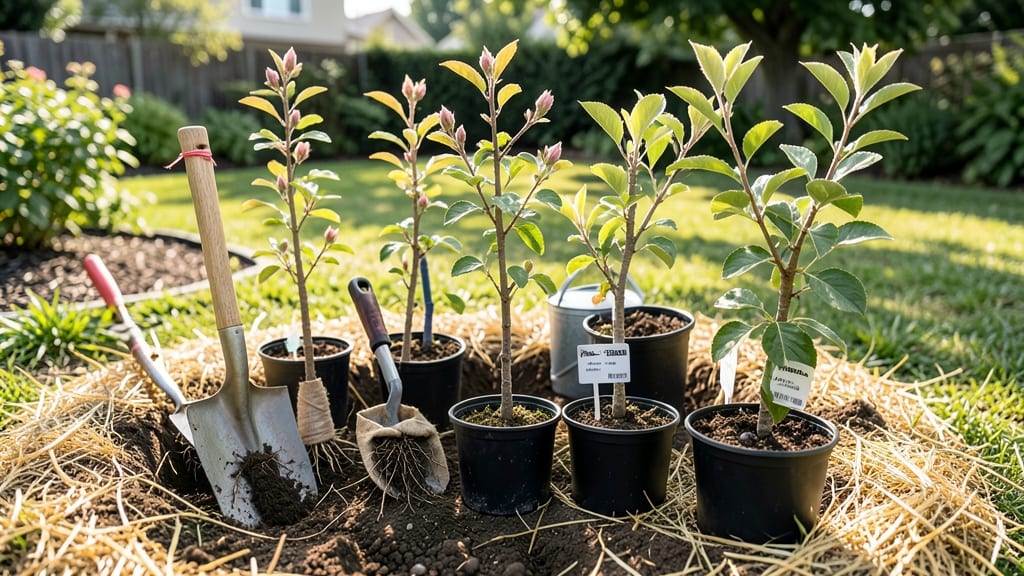
Planting fruit trees in Northern California at the wrong time can turn your orchard dreams into a costly mistake—especially when chill hours and frost dates collide. The 7b-9a zones here offer a narrow window where soil warmth and rainfall align, but miss it, and your trees may struggle with heat stress or poor root establishment.
I’ve seen firsthand how a 2-week difference in timing can mean the difference between a thriving 🍎 peach tree and one that barely survives. Whether you’re growing apples in the Sierra foothills or citrus along the coast, understanding Northern California’s microclimates is the key to long-term success.
In this guide, I’ll break down the exact planting calendar for your zone, including when to prep soil, how to adjust for local frost dates, and which fruit varieties thrive with minimal chill hours. Let’s get your orchard off to the right start.
You’ll also discover how to avoid summer planting—a common pitfall—and when to fertilize for maximum growth. Ready to turn your backyard into a productive fruit haven? Let’s dive in.
Northern California fruit tree planting calendar by chill-hour requirements
Northern California’s USDA Zones 7b and 8a create a unique challenge for fruit tree growers. The key factor? Chill hours—the number of hours below 45°F (7°C) your tree needs to flower and fruit.
High-chill varieties like peaches (500+ hours) struggle in coastal areas, while low-chill figs (200-300 hours) thrive inland.
Most fruit trees in Northern California should be planted in late winter to early spring (February–April). This window balances soil workability, moisture availability, and avoiding summer heat stress.
Coastal areas (e.g., San Francisco) can plant as early as January, while inland valleys (e.g., Sacramento) wait until March to avoid late frosts.
Chill-hour needs directly impact your planting schedule. High-chill trees (e.g., apples, pears, cherries) need 500–1,000 hours and are best planted in northern inland zones. Low-chill varieties (e.g., olives, pomegranates, figs) thrive with 200–400 hours and suit coastal or urban microclimates where winters are milder.
🌱 Comparison Table: Northern California Fruit Tree Planting by Chill-Hour Needs
| Variety | Chill-Hour Needs | Best Planting Month | Notes |
|---|---|---|---|
| Peach/Nectarine | 500–700 hours | February–March | Inland zones only; avoid coastal |
| Apple | 500–1,000 hours | February–March | Dwarf varieties adapt better to short seasons |
| Fig | 200–300 hours | January–February | Coastal-friendly; tolerates heat |
| Olive | 200–400 hours | February–March | Drought-tolerant; full sun required |
| Pomegranate | 200–300 hours | February–April | Heat-loving; avoid frost pockets |
For bare-root trees (most common in nurseries), plant immediately upon arrival. Container-grown trees can be planted year-round, but spring remains ideal for root establishment. Soil temperature should be above 50°F (10°C)—check with a soil thermometer if unsure.
In cooler microclimates (e.g., Mendocino), delay until March to avoid frost damage.
Northern California’s rainfall patterns also play a role. Inland areas like Sacramento Valley get most rain in winter/early spring, making March planting perfect for moisture. Coastal regions (e.g., Santa Cruz) have year-round mild rains, so January–February works best.
Always amend clay soils with compost to improve drainage—poor drainage leads to root rot in winter rains.
If you miss the spring window, fall planting (October–November) is a second option—just ensure 6–8 weeks remain before first frost.
Young trees planted in fall may need extra mulch (3–4 inches) to insulate roots. Avoid summer planting—heat stress and limited root growth reduce survival rates by 50%.
Pro tip: Test your microclimate! Use a chill-hour calculator (like the one from UC Davis) to confirm your local chill hours. For example, Redding averages 800+ hours, while San Francisco gets only 300–400 hours.
This data helps you pick the right varieties and adjust planting timing accordingly.
Once planted, water deeply every 7–10 days for the first year to encourage root growth. Mulch heavily (wood chips or straw) to retain moisture and regulate soil temperature. Prune lightly in late winter to shape the tree and remove dead wood—this stimulates early spring growth
How to adjust planting timing for Northern California microclimates
Northern California’s microclimates create unique challenges for fruit tree planting. Coastal areas like San Francisco experience milder winters, while inland valleys such as Sacramento face hotter summers and earlier frost risks. These differences demand flexible planting strategies to ensure survival and productivity.
For coastal regions (Zone 8a), where frost is rare, you can plant bare-root trees as late as March or early April. The cooler, moist climate extends the window for root establishment. In contrast, inland areas (Zone 7b) require planting by late February to avoid heat stress during summer.
Soil preparation is equally critical. In dry inland zones, amend clay soil with compost and sand to improve drainage before planting. Coastal areas with acidic soils may need lime to raise pH for fruit trees like peaches and apples.
Test your soil in late winter to give yourself time to make adjustments.
Post-planting care varies by microclimate too. Coastal trees benefit from mulching with straw to retain moisture, while inland trees need drip irrigation to combat summer drought. Both should receive deep watering every 7-10 days until established, but coastal areas can stretch this to bi-weekly once roots are deep.
Consider container growing for urban areas with limited space or unpredictable microclimates. Dwarf varieties like ‘Semi-Dwarf’ peach trees thrive in pots and can be moved to shadier spots during heatwaves. Just ensure containers have drainage holes and use a well-draining potting mix.
Finally, monitor your trees for early signs of stress, like yellowing leaves or wilting. Inland trees may show heat stress as early as June, while coastal trees might struggle with overwatering if planted in poorly drained soil. Adjust your care routine immediately to prevent long-term damage.