
Trees
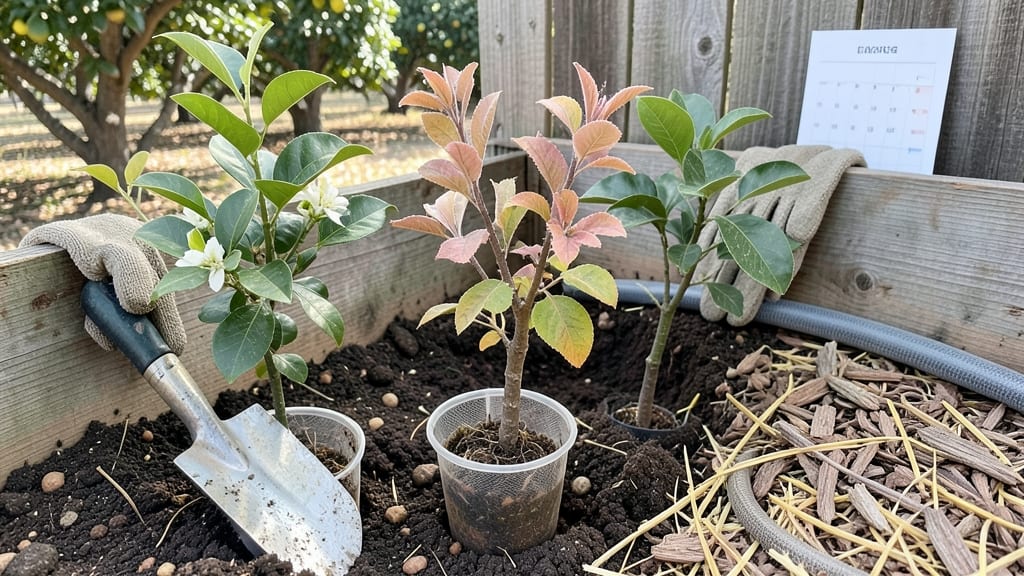
Timing your fruit tree planting in California could mean the difference between a bountiful harvest and years of disappointed waiting. With November through March as your golden window, cooler temperatures and dormancy periods create the perfect conditions for root establishment—especially in zones 8-11 where frost can still sneak in.
But here’s the catch: not all fruit trees thrive on the same schedule. Citrus trees, for example, prefer fall planting to avoid winter chill, while stone fruits like peaches and plums need the chill hours of winter dormancy.
Even within California, coastal areas and inland valleys have distinct microclimates that shift planting strategies.
In this guide, I’ll break down the exact months to plant your 🍎 fruit tree based on your region, whether you’re working with bare-root saplings or container-grown varieties.
You’ll also learn how to prep your soil, avoid common pitfalls, and set your tree up for a peak harvest—no guesswork required.
Ready to turn your backyard into a fruit-filled paradise? Let’s get started with the science-backed calendar that’ll have your trees bearing fruit in no time.
California chill-hour zones: matching fruit trees to your region’s dormancy needs
California’s fruit trees thrive when planted with their chill-hour requirements in mind. These hours—measured between 32°F and 45°F—trigger dormancy and flowering. Coastal areas often see 0-300 chill hours, while inland valleys can hit 1,000+ hours.
Planting a peach tree in San Diego (100 hours) will fail, but it’ll flourish in Fresno (800+ hours).
Use the USDA Plant Hardiness Zone Map alongside chill-hour data to pick the right tree. For example, apples need 500-1,000 hours, while citrus thrives with 0-200 hours.
Local nurseries often label trees with chill-hour ranges, but cross-check with your microclimate—even neighboring towns can vary by 200+ hours.
Here’s how to match trees to your zone:
| Chill-Hour Zone | Best Fruit Trees | Avoid These Trees | Notes |
|---|---|---|---|
| 0-200 hours | Citrus (lemon, orange), Avocado (Mexican varieties), Olive, Pomegranate |
Apple, Pear, Sweet Cherry | Coastal areas (San Diego, LA, Monterey) |
| 300-500 hours | Fig, Persimmon, Peach/Nectarine (low-chill), Plum (Santa Rosa) |
Apple (most varieties), Cherry (sour/sweet) |
Inland valleys (San Joaquin, Central Coast) |
| 500-1,000 hours | Apple, Pear, Peach, Nectarine, Plum (most varieties) |
Citrus (unless microclimate-protected) | Sierra foothills, Sacramento Valley |
| 1,000+ hours | Cherry (sour/sweet), Apple (crabapple), Quince |
Citrus, Avocado, Olive | High desert (Eastern Sierra), Mountain regions |
For urban gardeners, container-grown trees offer flexibility. Dwarf varieties like ‘Improved Meyer’ lemon (200 chill hours) or ‘Bonanza’ peach (300 hours) adapt well to pots but still need chill hours. If your area lacks natural chill, consider artificial chilling (e.g., refrigeration for potted trees) or choose low-chill varieties.
Pro tip: Check your local Cooperative Extension office for hyper-local chill-hour data. For example, Sacramento averages 700 hours, while nearby Davis can hit 900+ hours. A 500-hour tree might struggle in Davis but thrive in Sacramento.
Soil prep is just as critical as timing. California’s alkaline soil (pH 7.5+) can lock out nutrients. Test your soil and amend with compost or sulfur to lower pH for acid-loving trees like blueberries or raspberries. For most fruit trees, aim for a pH of 6.0-7.0.
Once planted, mulch heavily (3-4 inches) to retain moisture and regulate soil temperature. In Zone 9-11, protect young trees from late-winter frosts with frost cloth or a tree wrap. Even a 28°F night can damage tender citrus blossoms.
Remember: Bare-root trees plant best in dormant season (winter), while container-grown trees can go in year-round in mild climates. But never plant frost-sensitive trees (like citrus) before your last frost date—even if they’re in pots.
Optimal planting months by fruit tree type: coastal vs. inland planting schedules
California’s coastal and inland regions have wildly different planting schedules for fruit trees. While coastal areas like San Diego and Santa Barbara enjoy mild winters, inland valleys such as the Central Valley and San Joaquin Valley experience colder temperatures and frost.
This means a citrus tree planted in November in coastal zones thrives, while the same tree in inland areas might suffer frost damage if planted too late.
For stone fruits like peaches, plums, and cherries, timing is everything. These trees need chill hours (300–800+ hours below 45°F) to break dormancy and bloom properly.
Inland areas with colder winters (e.g., Sacramento) can plant these in late winter (February–March), while coastal areas (e.g., Monterey) should aim for early spring (March–April) to avoid late frosts.
Citrus trees, on the other hand, hate cold. They should be planted in fall (October–November) across all regions to establish roots before winter. Container-grown citrus can even be planted in late winter (February) in coastal zones, but avoid planting inland after January to prevent frost damage.
| Fruit Tree Type | Coastal Planting Window | Inland Planting Window | Key Consideration |
|---|---|---|---|
| Citrus (Oranges, Lemons, Limes) | October–November | October–November (avoid after Jan) | Frost-sensitive; plant before winter chill |
| Stone Fruits (Peaches, Plums, Cherries) | March–April | February–March | Needs chill hours; inland plants earlier |
| Apples & Pears | November–December | November–January | Requires deep dormancy; inland plants earlier |
| Avocados | Year-round (mild climates) | November–March (avoid frost) | Slow-growing; plant in cooler months |
| Figs | February–March | February–March | Drought-tolerant; plant early spring |
If you’re planting in urban areas with limited space, container-grown fruit trees are a great option. These can be planted year-round in coastal zones but should still follow the general rules for your region.
For example, a dwarf lemon tree in San Francisco can go in anytime, but a peach tree in Fresno needs that early spring window to avoid frost.
Pro tip: Check your local frost dates (available on the USDA Plant Hardiness Zone Map) and adjust planting by 2–4 weeks if you’re in a transitional zone. For example, Los Angeles might have late frosts in March, while Sacramento could see them as early as November.
Plant accordingly to give your tree the best shot at survival.
Finally, always water deeply after planting and mulch to retain moisture. Inland areas may need extra irrigation during dry spells, while coastal trees might thrive with less frequent watering. Pay attention to your tree’s specific needs—your harvest depends on it! 🌱