
Plants
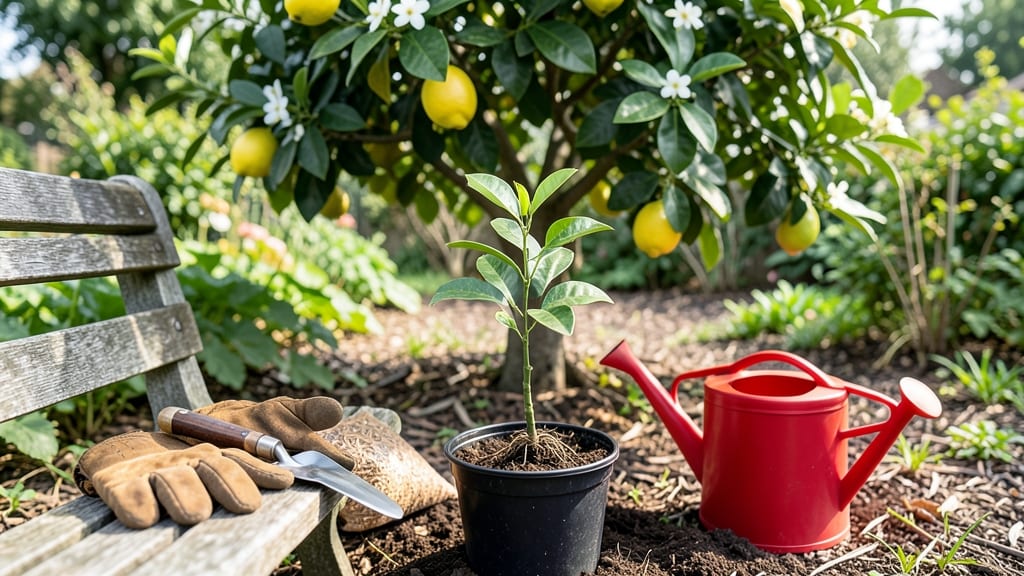
If you're dreaming of a sun-drenched 🍋 lemon tree in your California backyard, timing your planting could make all the difference between a thriving citrus wonder and a struggling sapling.
The Golden State's diverse climate—from frost-free coastal breezes to inland heat waves—means the "best time" varies dramatically between regions like Los Angeles and Sacramento.
For coastal areas in USDA Zone 10 (like San Diego), you can plant year-round, but winter months offer ideal conditions with cooler temps and natural rainfall to help roots establish.
Meanwhile, inland valleys in Zone 9 (such as Sacramento) demand a more strategic approach—waiting until late winter or early spring to avoid spring heat stress.
I’ll break down the exact planting windows for both coastal and inland zones, plus pro tips to extend your window with containers or frost protection. Whether you're a first-time gardener or a citrus enthusiast, these insights will help you get your lemon tree off to the best possible start.
Ready to turn your citrus dreams into reality? Let’s dive into the secrets of California’s perfect planting seasons for your future lemon harvest.
Optimal planting months for lemon trees in California’s coastal regions (Zone 9-10)
California’s coastal regions—think San Diego, Santa Barbara, and Monterey—offer gardeners a 6-month planting window thanks to their frost-free USDA Zones 9-10.
Unlike inland areas, coastal zones let you plant year-round, but the best months are November through March when cooler temperatures and winter rains create ideal conditions for root establishment.
In these zones, lemon trees thrive because they avoid extreme summer heat and winter chill that stress young roots. The cooler coastal climate also reduces disease pressure, giving your tree a strong start.
For example, San Diego’s mild winters (avg. 50–60°F) are perfect for planting, while Monterey’s foggy summers help young trees acclimate without scorching.
Here’s the key: Plant in late fall or early winter (November–January) to take advantage of natural rainfall, which reduces your watering workload. If you miss this window, you can still plant in spring (February–March), but be prepared to water consistently since rainfall tapers off.
🌱
| Region | Best Planting Window | Soil Prep Tip | Key Consideration |
|---|---|---|---|
| San Diego (Zone 10) | November–March | Amend sandy soil with compost | Minimal frost risk; leverage winter rains |
| Santa Barbara (Zone 9-10) | December–February | Add organic matter for drainage | Cooler microclimates extend window |
| Monterey (Zone 9) | January–March | Test pH (6.0–7.0 ideal) | Foggy summers protect young trees |
Coastal soils often struggle with sandy textures that drain too quickly, so amending with compost or aged manure is critical. Aim for a well-draining mix with 30% organic matter to retain moisture while preventing root rot.
For example, in San Diego’s sandy loam, I mix equal parts compost and native soil to improve water retention.
Another pro tip: Plant in a slightly elevated spot to avoid water pooling during winter rains. This is especially important in Monterey’s foggy microclimates, where excess moisture can lead to root suffocation. If your yard has heavy clay pockets, consider a raised bed for better control over drainage.
For container growing in coastal zones, February–March is ideal because it balances cooler temps and increasing sunlight. Use a 5-gallon pot minimum for dwarf varieties like Meyer lemons, and always include drainage holes to mimic well-draining soil conditions.
🪴
If you’re planting in late winter (March), monitor soil temperatures—they should stay above 60°F for root growth. Use a soil thermometer to check; if temps drop below 55°F, delay planting until conditions improve.
In coastal Zone 10, this is rarely an issue, but Zone 9 areas like Santa Cruz may experience cooler spells.
Finally, mulch heavily (3–4 inches) with straw or wood chips to retain moisture and regulate soil temps. This is non-negotiable in sandy coastal soils, where moisture evaporates quickly. Reapply mulch every 6 months to maintain its effectiveness.
Inland California lemon tree planting: heat zones 7-9 and the critical 6-Week window
If you live in California’s inland areas—think Sacramento Valley, Central Coast foothills, or the San Joaquin Valley—your lemon tree planting window is far more strategic than coastal regions.
Here, USDA Zones 7-9 mean you must time your planting to avoid spring heat stress and late frosts, which can kill young roots. The ideal window is a tight 6-week period from late February to early April, when soil temperatures warm but extreme heat hasn’t yet arrived.
Unlike coastal zones, inland areas experience hotter summers and colder winters, with frost risks lingering until March in some valleys. Planting too early (like January) exposes your tree to cold snaps, while waiting too long (May+) risks heat shock during transplanting.
The key? Aim for when daytime temps consistently stay above 60°F (15°C) and nights dip no lower than 45°F (7°C).
Inland soils often lack the natural moisture of coastal regions, so irrigation becomes critical. Unlike coastal areas that benefit from winter rains, inland plantings require weekly deep watering to compensate. A drip irrigation system set to deliver 1–2 gallons per watering for young trees ensures roots establish without drowning.
Mulch heavily with wood chips or straw to retain moisture and regulate soil temperature.
Another inland challenge is soil composition. Many valley soils are clay-heavy or alkaline, which can stunt root growth. Amend planting holes with a mix of compost, perlite, and citrus-specific fertilizer to create a well-draining, slightly acidic environment (pH 6.0–7.0).
This is where inland gardeners gain an edge: while coastal soils may need less amendment, inland plantings require proactive soil prep to thrive.