
Plants
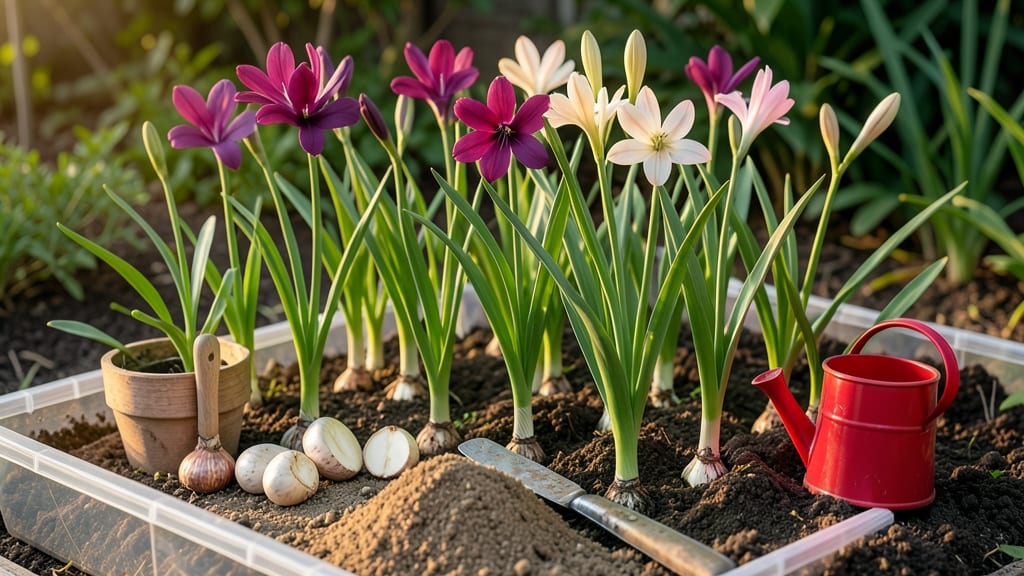
Planting freesias 🌸 at the wrong time in the UK could mean watching your delicate bulbs turn to mush under frost—especially when coastal winds clash with inland freezes.
The secret to vibrant spring blooms lies in knowing exactly when to tuck those bulbs into the soil, whether you're in milder Cornwall or frost-prone Yorkshire.
Most gardeners assume freesias are one-size-fits-all, but UK climate zones demand precision. I'll show you how to time your planting for zero frost risk, with regional adjustments that make all the difference between thriving 🌸 and wasted effort.
From September's autumn window to February's late start, we'll break down the ideal planting months for both spring and summer blooms—plus how to protect your bulbs if Mother Nature throws a curveball.
Whether you're a first-timer or a seasoned grower, these tips will help you avoid the 5 biggest mistakes that turn freesia dreams into soggy soil. Let's get those bulbs in the ground at the perfect moment!
UK freesia planting dates by region: coastal vs inland zero-frost zones
Freesias (Freesia spp.) thrive in the UK when planted at the right time—6-8 weeks before your last frost date ensures they establish roots before winter. However, the UK’s diverse climates mean coastal areas like Cornwall can plant earlier than inland frost pockets in Yorkshire.
Let’s break down the ideal planting windows for your region to maximize those fragrant spring blooms.
For spring blooms, aim to plant freesia bulbs in September-October—this gives them time to root before winter. If you’re after summer flowers, plant in February-March instead. The key? Avoid planting when soil temperatures drop below 10°C (50°F), as this stunts root growth.
Here’s how to adjust your timing based on your UK region:
🌍 UK Freesia Planting Calendar by Region
| Region | Coastal Areas (Milder) | Inland Areas (Harsher Frost) | Key Adjustments |
|---|---|---|---|
| Southern England (e.g., London, Sussex) | Late August-September | Early September-October | Coastal areas can plant 2-3 weeks earlier. |
| Wales (e.g., Cardiff, Swansea) | Mid September | Late September | Mountainous areas may need cloche protection. |
| Scotland (e.g., Edinburgh, Glasgow) | Late September | Early October | Use mulch or fleece to delay frost. |
| Northern Ireland (e.g., Belfast) | Early October | Mid October | Prioritize well-drained soil to prevent rot. |
🌱 Pro Tip: Check your local Met Office frost forecasts for real-time adjustments.
If you’re in a micro-climate—like a sheltered garden or urban heat island—you might plant 1-2 weeks earlier than the general guidelines.
For example, a sunny south-facing wall in London could support planting in late August, while a frost-prone valley in the Cotswolds might need to wait until mid-October.
For summer blooms, shift your focus to February-March planting. This timing ensures flowers appear in June-July, just in time for summer displays. However, avoid planting after mid-March in colder regions, as bulbs may not establish roots before summer heat sets in.
Always plant freesia bulbs 2 inches deep and 3 inches apart in well-draining soil. Add a 2-inch layer of grit or perlite to prevent waterlogging, which can rot bulbs over winter. In heavy clay soils, consider raising beds or containers to improve drainage.
Finally, label your freesia beds if you’re experimenting with timing—this helps track which planting windows yield the best blooms. Over time, you’ll refine your approach based on your garden’s unique conditions.
🌸 Remember: Freesias are not frost-tolerant once shoots emerge, so timing is everything!
How to time freesia planting for maximum blooms: soil temperature and frost risk factors
Freesias thrive when planted at the right soil temperature, typically between 10°C (50°F) and 15°C (59°F). In the UK, this means waiting until late September to October for spring blooms or February to March for summer flowers.
Using a simple soil thermometer can help you gauge readiness—planting too early risks frost damage, while waiting too long may delay blooms.
Coastal areas like Cornwall or Devon often have milder winters, allowing earlier planting (as early as mid-September). Inland regions such as Yorkshire or Scotland, however, should wait until late October to avoid frost. Always check your local frost forecast before planting—sudden cold snaps can devastate freesias.
Planting freesias too early in frost-prone areas can kill them before they bloom. Never plant before soil reaches 10°C (50°F)—use mulch or cloches to protect bulbs if you must plant earlier.
✅ Pro Tip: Cover planted bulbs with straw or fleece for extra frost protection in October-November.
To extend your planting window, use protective covers like cloches or fleece. These create a microclimate that traps warmth, allowing you to plant 2-3 weeks earlier in marginal zones.
Just remove the cover once sprouts emerge to prevent overheating. For containers, move pots to a sheltered spot during cold snaps.
Another key factor is drainage. Freesias hate soggy soil, so plant in well-draining beds or raised containers. If your garden retains moisture, add sand or grit to improve drainage.
Poor drainage combined with cold soil can lead to rot and bulb failure, so always choose a spot with good airflow.
For summer blooms, aim to plant in February-March when daytime temperatures rise above 10°C (50°F). This gives bulbs enough time to establish roots before summer heat sets in.
In warmer southern regions, you can even plant as late as early April—just monitor soil moisture closely during dry spells.
Finally, remember that freesias need 6-8 weeks of root growth before blooming. If you plant too late, you’ll miss the peak flowering season. Use this simple rule: Count back 8 weeks from your target bloom date (e.g., late April for spring blooms means planting by mid-February).