
Plants
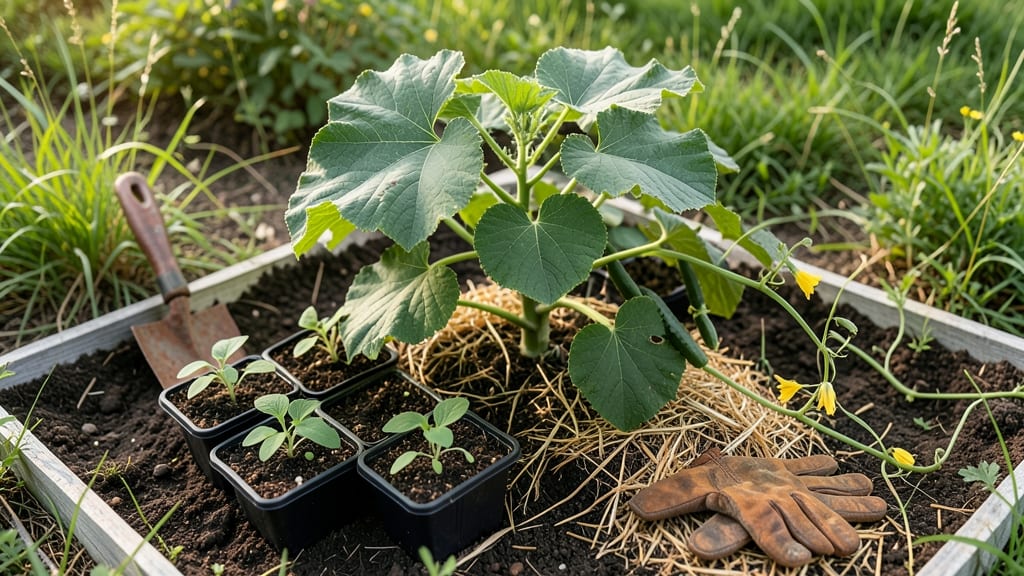
Timing your 🥒 cucumber planting in Australia can make or break your harvest—get it wrong, and you’ll either face frost damage or miss the sweet spot for summer yields. Unlike other veggies, cucumbers are heat-lovers that hate cold soil, so knowing your region’s frost-free window is the key to success.
From Queensland’s year-round growing potential to Victoria’s zero-frost planting deadlines, each state plays by its own rules. I’ll break down the best months to sow seeds or seedlings, so you can avoid the heartbreak of wasted effort and maximize your 6-8 week harvest window.
Whether you’re in tropical Darwin or temperate Melbourne, we’ll cover soil temperature tricks, frost-free planting calendars, and even which varieties thrive in early vs. late starts. No more guessing—just proven timing for bigger, healthier cucumbers all season.
Ready to turn your patch into a 🥒 powerhouse? Let’s dive into the exact dates and tips you need to plant with confidence, no matter where you live in Australia.
Australia’s cucumber planting calendar by state: avoid frost and maximize yields
Australia’s vast climate zones mean cucumber planting times vary dramatically from tropical Queensland to cool temperate Tasmania. In frost-prone regions, timing is critical—plant too early and frost damage kills seedlings, while late planting risks heat stress before harvest.
Let’s break down the ideal planting windows by state to ensure your cucumber vines thrive year-round.
Most Australian gardeners aim for spring to autumn planting, aligning with soil temperatures above 15°C (60°F). However, northern Australia enjoys year-round growing, while southern states must time plantings carefully to avoid late-season frosts. Below, we’ve mapped out month-by-month planting windows tailored to each state’s unique climate patterns.
🌱 Pro Tip: Always check your local Bureau of Meteorology frost forecasts if planting in temperate zones. A 5°C night can devastate young seedlings.
| State | Best Planting Months | Soil Temp Threshold | Last Frost Date (Avg) | Harvest Window |
|---|---|---|---|---|
| Queensland (Brisbane) | Year-round (peak: Sep-Mar) | 18°C+ (year-round) | None (tropical) | Oct-Apr |
| New South Wales (Sydney) | Sep-Nov & Feb-Mar | 15°C+ | Late May (avg) | Nov-Apr |
| Victoria (Melbourne) | Oct-Nov & Feb | 15°C+ | Early Jun (avg) | Dec-Apr |
| South Australia (Adelaide) | Oct-Nov & Feb-Mar | 16°C+ | Late May (avg) | Dec-Apr |
| Western Australia (Perth) | Aug-Sep & Feb-Mar | 17°C+ | Late Jun (avg) | Nov-Apr |
| Tasmania (Hobart) | Nov & Feb | 14°C+ | Late May (avg) | Dec-Mar |
For coastal regions (e.g., Gold Coast or Byron Bay), you can extend planting into late autumn due to milder temperatures. Inland areas like Mallee or Riverina should plant earlier in spring to avoid summer heatwaves stunting growth.
In northern Australia (e.g., Darwin or Cairns), cucumbers grow year-round, but monsoon season (Dec-Feb) may require shade cloth to prevent fruit sunscald. Always choose heat-tolerant varieties like ‘Straight Eight’ for these regions.
If you’re in a transition zone (e.g., Hunter Valley or Wineglass Coast), consider staggered plantings—sow half in September and half in February to extend your harvest. This two-pronged approach ensures continuous production without gaps.
For container growing, warm soil is even more critical. Use black plastic mulch or heat-retaining
5 Critical factors for timing cucumber planting in Australia’s climate zones
Planting cucumbers at the wrong time in Australia can mean the difference between a bountiful harvest and wasted effort. While frost dates are crucial, soil temperature, rainfall patterns, and heat tolerance of varieties play equally important roles.
Let’s break down the 5 key factors to consider before sticking that trowel in the ground.
First, soil temperature is non-negotiable. Cucumbers thrive when soil reaches at least 15°C (60°F). In cooler regions like Victoria or Tasmania, wait until late spring when soil warms naturally. Use a soil thermometer to check—cold soil delays germination and weakens seedlings.
Next, rainfall patterns can make or break your crop. Australia’s drought-prone summers in southern states mean cucumbers need consistent moisture. In tropical Queensland, heavy rains during planting can waterlog seeds, so raised beds or well-draining soil are essential.
Don’t overlook heat tolerance. Northern Australia’s summer heat (above 35°C/95°F) stresses cucumbers, causing bitter fruit. Choose heat-tolerant varieties like ‘Straight Eight’ for these regions, while cooler areas can handle ‘Burpee Bush Champion’ with ease.
Coastal vs. inland microclimates also matter. Coastal regions like Sydney or Perth have milder winters, allowing earlier planting (August-September). Inland areas like Adelaide or Melbourne face harsher frosts, so delay until October-November.
Finally, pollination challenges arise in windy or rainy seasons. Bees struggle in high humidity, reducing fruit set. Hand-pollinate flowers in such conditions by gently brushing stamens with a paintbrush.
By aligning these factors with your local climate, you’ll maximize yields and avoid common pitfalls like blossom end rot or stunted growth.
- ✅ Soil Temperature: Wait until soil reaches 15°C (60°F) for germination.
- 💧 Rainfall Patterns: Avoid waterlogged seeds in wet climates; use raised beds if needed.
- ☀️ Heat Tolerance: Choose varieties like ‘Straight Eight’ for hot regions, ‘Burpee Bush’ for cooler areas.
- 🌊 Coastal vs. Inland: Coastal areas plant earlier (August-Sept); inland waits until October-Nov.
- 🐝 Pollination: Hand-pollinate in windy/rainy seasons to ensure fruit set.
Pro tip: Use mulch to regulate soil temperature and retain moisture. Straw or lucerne hay works best, keeping roots cool in summer and warm in spring.
Now that you’ve got the critical factors down, pair this knowledge with your state’s frost-free window for a foolproof planting schedule.