
Plants
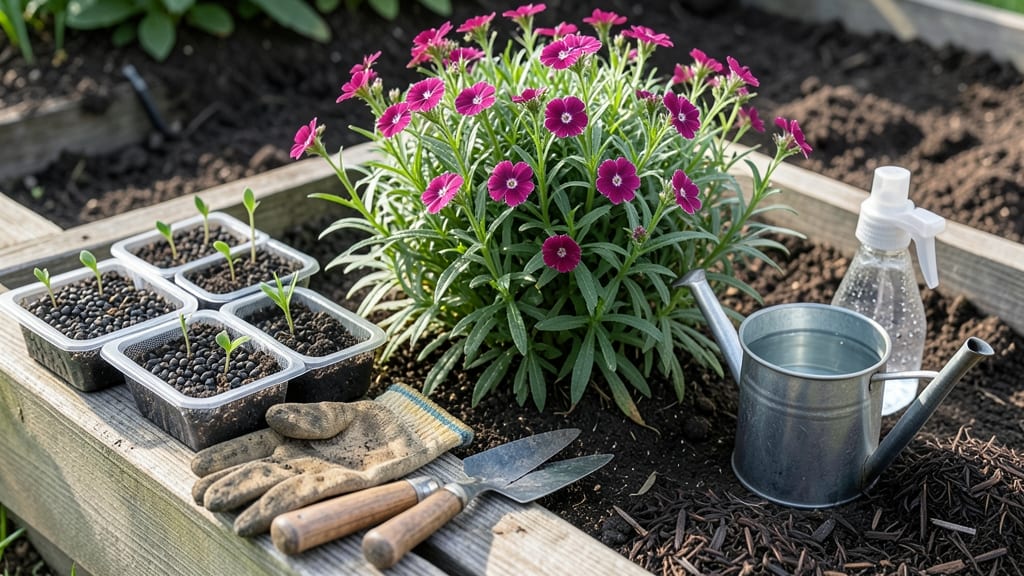
Planting your Dianthus 🌸 seeds at the wrong time in Australia could mean struggling with heat stress or missed blooms—especially when coastal warmth clashes with inland dryness.
If you’ve ever wondered why some gardeners in Sydney get vibrant flowers while others in Perth struggle, the answer lies in understanding your local climate’s zero-frost window. Whether you’re in a temperate zone or a subtropical one, timing is everything for these fragrant beauties.
I’ll break down the best months to sow seeds outdoors or indoors, so you can avoid common mistakes and maximize your chances of success. Let’s dive into the specifics that make all the difference for your Dianthus garden.
From coastal areas like Melbourne to inland spots like Adelaide, we’ll cover how to adjust your planting schedule for humidity, frost risk, and even microclimates. Ready to get those seeds in the ground at the perfect time?
Optimal dianthus planting dates by australian climate zone
Australia’s diverse climates mean dianthus seeds can be planted year-round in some regions, but timing is critical for zero frost risk and vibrant blooms. In temperate zones like Sydney and Melbourne, aim for August to October—when soil temperatures stabilize above 10°C (50°F).
Meanwhile, tropical areas like Brisbane can start as early as June, avoiding the wet season’s fungal threats.
For inland regions such as Adelaide and Perth, wait until September to November to avoid early frosts. These zones experience harsher temperature swings, so starting seeds indoors in July or August gives them a head start.
Always check your local Australian Bureau of Meteorology frost forecasts to fine-tune your schedule.
Here’s a region-specific planting guide to ensure your dianthus thrives, whether you’re in a coastal garden or an arid inland plot.
| Climate Zone | Best Planting Months | Soil Temp (°C) | Key Considerations |
|---|---|---|---|
| Coastal (Sydney, Melbourne) | August–October | 10–15°C | Humidity-friendly; avoid waterlogging |
| Inland (Adelaide, Perth) | September–November | 12–18°C | Dry soil; mulch to retain moisture |
| Tropical (Brisbane, Darwin) | June–August | 20–25°C | Avoid wet season; use shade cloth |
| High Altitude (Canberra, Hobart) | October–November | 8–12°C | Start indoors; protect from late frosts |
In coastal regions, the maritime climate softens temperature extremes, allowing earlier sowing. For example, Sydney’s August start aligns with spring rains, while Melbourne’s September kickoff avoids late frosts. Always test soil moisture—dianthus hates soggy roots, so raised beds or sandy mixes work best.
If you’re in Perth or Adelaide, prioritize September planting to coincide with autumn rains. These areas benefit from well-draining soil mixes with perlite or coarse sand to prevent root rot. A light mulch of straw helps retain moisture without smothering seeds.
For tropical zones, plant in June or July to escape the wet season’s humidity, which can trigger fungal diseases like powdery mildew. Use shade cloth (30%) if direct sun exceeds 4 hours/day during germination. Darwin gardeners often sow under eucalyptus trees for natural shade.
In high-altitude areas like Canberra, delay until October after the last frost date. Use seed trays indoors from July onward to harden off seedlings by September. A cloche or row cover extends the season by 2–3 weeks if frosts linger.
Pro tip: Use a soil thermometer to confirm 10°C+ soil temps before planting. Cold soil slows germination, and dianthus seeds need warmth to sprout reliably. Pair this with morning watering to keep soil evenly moist but never waterlogged.
Remember, direct sowing works best in well-prepared beds, while container starts give you flexibility in microclimates. Whether you’re in Brisbane’s heat or Hobart’s chill, these dates ensure your dianthus blooms arrive fragrant and full.
Coastal vs inland planting: key differences that affect success
When planting Dianthus 🌸 seeds in Australia, the biggest factor separating coastal success from inland struggles is humidity and temperature fluctuations. Coastal areas like Sydney and Melbourne enjoy milder winters with higher moisture, while inland zones like Adelaide and Perth face harsher dryness and wider temperature swings.
These differences can shift your planting window by 4-6 weeks—sometimes even more.
In coastal regions, you can start seeds outdoors as early as mid-July because the ocean moderates temperatures and delays frost. Inland, however, you’ll need to wait until late August or early September to avoid frost damage.
This delay isn’t just about timing—it’s about giving your young seedlings the consistent moisture they need to establish roots before summer heat arrives.
The humidity factor also plays a critical role. Coastal areas benefit from natural moisture in the air, reducing the need for frequent watering. Inland, you’ll need to water more carefully—either using drip irrigation or mulching heavily—to prevent soil from drying out too quickly.
Without this adjustment, your seeds may struggle to germinate or your seedlings could become stunted.
Here’s how these differences break down in practice:
| Factor | Coastal (Sydney/Melbourne) | Inland (Adelaide/Perth) |
|---|---|---|
| Planting Window | Mid-July to early October | Late August to November |
| Frost Risk | Low (ocean moderation) | High (late frosts common) |
| Humidity Levels | Moderate to high | Low to very low |
| Watering Needs | Every 5-7 days | Every 3-5 days (or drip system) |
| Soil Prep Tip | Add compost for moisture retention | Use mulch to lock in moisture |
Another key difference is how microclimates within regions affect planting. For example, a sheltered spot in Melbourne’s inner suburbs might be frost-free by early July, while exposed areas could need to wait until September. Always observe your specific location for 3-5 years to note frost patterns and adjust accordingly.
If you’re in a transitional zone (like Canberra or the Hunter Valley), consider starting seeds indoors in June or July to give them a head start. This way, you can transplant them outdoors once the frost risk passes.
For inland areas, seed trays under grow lights can extend your planting window by up to 8 weeks, ensuring your Dianthus gets the best possible start.
Remember, the goal is to align your planting with the cooler months when soil temperatures are ideal (around 15-20°C) and days are shorter. This balance helps prevent heat stress and ensures your seedlings thrive before summer arrives.
With these adjustments, you’ll be well on your way to vibrant, fragrant Dianthus blooms—no matter where you garden in Australia!