
Flowers
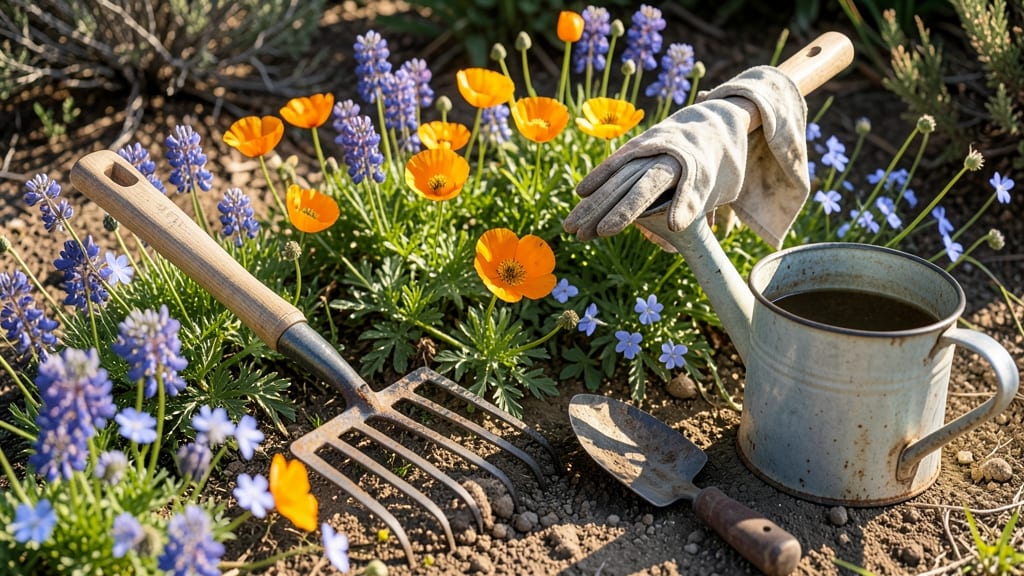
Timing your flowers planting in California can mean the difference between a vibrant garden and a sad, wilted disappointment—especially when coastal fog clashes with desert heat just 100 miles away.
I’ve seen firsthand how a single misjudged week can leave your 🌸 blooms struggling to take root, while perfect timing transforms your yard into a year-round paradise.
The key? Understanding California’s 5 wildly different climates—from frost-prone mountain zones to frost-free deserts—because what works in San Diego in March might fry in Sacramento by April.
Whether you’re planting drought-resistant lavender or frost-sensitive tulips, I’ll break down the exact months that work for your region, so you never guess again.
You’ll discover why fall planting is your secret weapon for perennials, how to cheat the system with microclimates> (like urban heat islands), and which flowers actually thrive in California’s year-round growing seasons. No more wasted effort—just lush, long-lasting blooms that match your local weather.
Let’s get your garden on the right schedule, once and for all. Ready to turn your yard into a blooming success? Here’s your climate-smart planting roadmap.
California flower planting calendar by climate zone
California’s diverse microclimates mean your San Diego garden and Sacramento yard can’t follow the same schedule. The Golden State spans USDA Zones 5-11, with frost-free periods ranging from 150 days in deserts to 365 days along the coast.
Let’s break it down by region so you plant at the perfect time—whether that’s October for bulbs or April for heat-loving annuals.
Most California gardeners focus on two key planting windows: fall (October-November) for bulbs and perennials, and spring (March-May) for annuals. But coastal areas like Monterey can plant year-round, while desert regions like Palm Springs must time plantings to avoid 110°F summers. Here’s your region-specific roadmap:
⚠️ NON-NEGOTIABLE: Always check your local frost dates—they can shift yearly. Use the USDA Plant Hardiness Zone Map or your local Cooperative Extension office for precise data.
| Region | Climate Type | Best Planting Months | Key Flowers | Avoid Planting |
|---|---|---|---|---|
| Northern California (Sacramento, Redding) | Mediterranean (Cool Winters) | Mar-May, Sep-Oct | Foxgloves, Lupines, Dahlias | Tropicals (e.g., Hibiscus) |
| Central Coast (Santa Barbara, Monterey) | Coastal (Mild Year-Round) | Jan-Dec (staggered) | Lavender, Snapdragons, Roses | Frost-sensitive bulbs (e.g., Tulips) |
| Southern California (Los Angeles, San Diego) | Mediterranean (Warm Winters) | Sep-Nov, Feb-Apr | Marigolds, Petunias, Bougainvillea | Cold-hardy perennials (e.g., Peonies) |
| Desert (Palm Springs, Joshua Tree) | Arid (Extreme Heat) | Sep-Oct, Feb-Mar | Cacti, Desert Marigold, Yucca | Water-loving plants (e.g., Hostas) |
| Mountain (Lake Tahoe, Mammoth) | Alpine (Short Season) | May-Jun, Aug-Sept | Columbines, Penstemons, Asters | Tender annuals (e.g., Impatiens) |
For Northern California (USDA Zones 7-9), aim for March-May plantings to beat the first frost, which can hit as late as March 15 in Sacramento. Perennials like foxgloves thrive when planted in fall, while annuals like zinnias wait until April when soil warms to 60°F.
Pro tip: Use row covers if planting early—even 50°F soil can shock tender roots.
In Southern California, where San Diego’s last frost is a rare December surprise, you can plant almost year-round.
But summer heat (June-August) demands shade-loving annuals like coleus or begonias. Bulbs like daffodils go in October-November, while succulents thrive when planted in spring to establish roots before summer drought.
Desert regions like Palm Springs (Zone 10) have no frost, but triple-digit temps limit planting to cool months. Plant September-October for spring blooms, or February-March for fall color. Drought-tolerant natives like desert marigold are your best bets—they hate wet feet.
Coastal areas like Monterey (Zone 9) enjoy mild winters, so year-round planting is possible. Spring (March-May) is ideal for bulbs and perennials, while summer (June-August) works for heat-loving annuals like portulaca. Foggy mornings mean extra watering—these gardens never dry out.
Mountain regions like Lake Tahoe (Zone 5-6) have short growing seasons. Plant May-June for summer blooms, then
Best annual and perennial flowers for each California region
California’s microclimates demand smart flower choices. In coastal areas like San Francisco, foxgloves and lupines thrive year-round, while desert regions like Palm Springs demand drought-resistant picks like lavender and yucca. Let’s match your garden to its climate for maximum blooms.
For Mediterranean climates (e.g., Los Angeles), annuals like petunias and marigolds shine in spring, while perennials such as roses and salvias return yearly. In mountain zones (e.g., Lake Tahoe), columbines and delphiniums handle cooler temps and shorter summers.
🌸 Top 5 Coastal Flowers:
- Foxgloves (biennial, shade-tolerant)
- Lupines (drought-tolerant, nitrogen-fixing)
- Iris (perennial, low-water)
- Sweet Peas (annual, fragrant)
- Dahlias (tender perennial, summer blooms)
- Lavender (drought-proof, June-August blooms)
- Yucca (architectural, spring flowers)
- Blanket Flower (red-orange, summer-fall)
- Desert Marigold (bright yellow, year-round)
- Agave (striking foliage, spring spikes)
In inland valleys (e.g., Sacramento), zinnias and sunflowers love the heat, while coreopsis and black-eyed Susans bring long-season color. For container gardening, geraniums and begonias adapt well to urban heat islands.
Native California poppies and California lilacs are low-maintenance stars—plant them in fall for spring surprises. Succulents like sedum and echeveria thrive in rock gardens with minimal water.
Pro tip: Mulch with gravel in desert zones to retain moisture, while organic mulch works for coastal beds. Always water deeply after planting to encourage root growth!
🌿