
Flowers
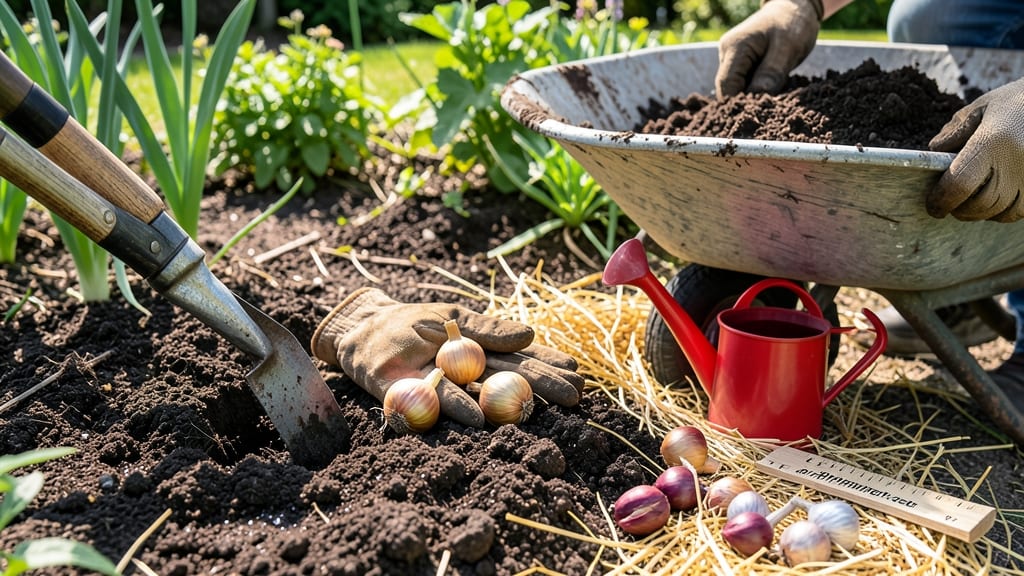
Planting flower bulbs 🌷 in spring might seem like a no-brainer, but timing it wrong could mean waiting another year for those dreamy blooms you’re craving.
The secret to success isn’t just waiting for warm weather—it’s checking soil temperatures and avoiding frost traps that can ruin your hard work before it even starts.
Most gardeners assume spring planting is as simple as digging a hole, but the truth is far more nuanced. Soil needs to reach 50-60°F before bulbs go in, and regional frost patterns play a huge role in when you can safely plant without risking rot or stunted growth.
If you’ve ever wondered why some bulbs thrive while others fail, the answer likely lies in these overlooked details.
I’ll break down exactly when to plant in your area, how to test soil warmth like a pro, and which bulbs actually prefer spring over fall planting. No more guesswork—just a foolproof plan to get your garden bursting with color come springtime.
Whether you’re a first-time gardener or a seasoned pro, these insights will help you avoid common pitfalls and get the most out of your flower bulbs. Let’s dig in!
How to determine the perfect soil temperature for planting flower bulbs
Spring bulb planting success hinges on one critical factor: soil temperature. Unlike fall planting, where you race against frost, spring planting requires waiting for the ground to warm enough to prevent rot and encourage strong root growth.
The ideal soil temperature range for planting most spring-flowering bulbs is between 50°F and 60°F—this warm-up signal tells bulbs it's safe to sprout.
Why does temperature matter so much? Bulbs planted in cold soil (below 50°F) risk rotting because their moisture uptake outpaces root development. Conversely, soil warmer than 60°F may trigger premature sprouting, leaving tender shoots vulnerable to late frosts—a common spring hazard.
Think of it like waiting for a pool to warm before swimming: too cold, and you risk discomfort (or worse, hypothermia).
Here’s the catch: soil warms slower than air. A sunny 70°F day might fool you into thinking it’s planting time, but the ground could still be chilly. That’s why I always check soil temperature 2-3 inches deep, where the real action happens.
This depth mimics the bulb’s planting zone and gives you the most accurate reading.
You don’t need a fancy thermometer to gauge soil warmth. Try this DIY trick: Press your finger into the soil. If it feels cool but not icy (like a chilled glass of lemonade), it’s likely in the 50-60°F range.
For a more precise method, bury a thermometer for 30 minutes—this mimics how long it takes for roots to warm up naturally.
Timing isn’t just about temperature—it’s also about bulb types. Some varieties, like crocuses and snowdrops, are hardier and can handle cooler soil (as low as 40°F), while others, such as tulips and daffodils, prefer the warmer end of the spectrum.
Always check the seed packet or bulb guide for specific recommendations.
Another pro tip: morning is the best time to plant. Soil temperatures are lowest in the morning, so planting then gives you a buffer against afternoon heat spikes. Plus, cooler mornings reduce stress on the bulbs as they adjust to their new home.
If you’re planting in containers, pre-warm the soil mix by placing pots in a sunny spot for a day or two before transplanting.
Don’t let rain or overcast days fool you into delaying planting. While you want warm soil, you also need it to stay moist for the first few weeks. A light mulch layer (1-2 inches of straw or shredded leaves) helps retain warmth and moisture without smothering the bulbs.
Just avoid piling mulch directly against the bulb—keep it 2 inches away to prevent rot.
If you’re in a warmer climate zone (like USDA Zones 8-10), you might find soil ready by late February or early March. But in colder regions (Zones 3-6), you may need to wait until April or even May.
The key is to align your planting with your last frost date—aim to plant 2-4 weeks before the average last frost, giving roots time to establish before spring rains arrive.
One common mistake? Planting too deep in an attempt to protect bulbs from cold. While 6-8 inches is ideal for most bulbs, deeper planting in cold soil can actually delay sprouting and weaken growth.
Stick to the recommended depth and focus on soil warmth instead. For extra insulation in early spring, try planting bulbs in raised beds—they warm up faster than in-ground soil.
Finally, remember that patience pays off. Rushing to plant in cold soil might seem like a way to get a head start, but it often leads to disappointing blooms or worse.
Mark your calendar for your region’s typical soil warm-up date, and use a soil thermometer to confirm readiness. Your future spring garden will thank you!
Regional spring planting timelines: when to plant flower bulbs by US climate Zone
Spring bulb planting isn’t a one-size-fits-all task—your USDA hardiness zone dictates the perfect window. In Zone 3-5 (northern states), wait until late April or early May after the last frost and soil warms to 50°F.
Meanwhile, Zone 6-8 gardeners can plant as early as March, while Zone 9-10 (southern states) may start in January or February when frost risk vanishes.
Don’t rely solely on calendar months—check your local average last frost date and soil temperature trends. For example, New York (Zone 5) often waits until mid-May, while California (Zone 9) can plant tulips in January.
Planting too early risks rot from cold soil; too late, and you’ll miss the spring bloom window.
Here’s how to adapt your timing based on your region:
| USDA Zone | Ideal Planting Month | Soil Temp Threshold | Key Regional Notes |
|---|---|---|---|
| Zone 3-4 (e.g., Minnesota, Maine) | Late April–Early May | 50–55°F | Wait for soil thaw; mulch after planting to insulate. |
| Zone 5-6 (e.g., Chicago, Denver) | Mid-April–Early May | 50–58°F | Monitor frost forecasts; use row covers if nights dip below 32°F. |
| Zone 7-8 (e.g., Washington D.C., Texas) | March–Early April | 55–60°F | Plant daffodils first—they tolerate cooler soil. |
| Zone 9-10 (e.g., Los Angeles, Miami) | January–February | 60–65°F | Avoid summer planting—bulbs need dormancy. |
Pro tip: Use a soil thermometer ($10 at garden centers) to confirm readiness. Stick it 6 inches deep (where bulbs will sit) and wait until temps stabilize above 50°F for 5 consecutive days.
In Zone 4, this might mean waiting until May 15, while Zone 7 could plant by March 20.
For container gardening, adjust timing by 2–4 weeks earlier—pots warm faster. Just ensure your garden pots have drainage holes to prevent soggy soil. If you’re unsure, err on the side of planting late; bulbs can handle a delayed start but won’t recover from frost damage.
Remember: Spring-planted bulbs (like crocus or hyacinths) thrive in cooler climates, while tropical bulbs (e.g., canna lilies) need Zone 9+ warmth. Always check the bulb packaging for specific guidance—some varieties (like rain lilies) even bloom after spring rains!