
Plants
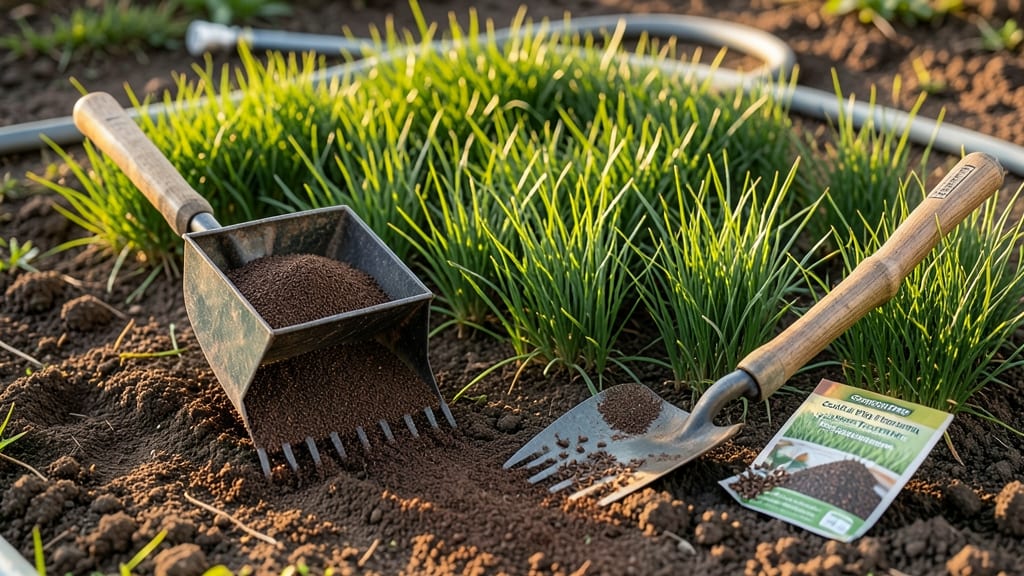
Optimal soil temperature ranges for spring grass seed germination
Getting your grass seed timing right in spring starts with understanding soil temperature.
Unlike air temperature, soil warms slowly and is the real indicator for successful germination. Cool-season grasses like fescue and ryegrass thrive when soil temps hover between 50°F and 65°F, while warm-season grasses such as Bermuda and Zoysia need 65°F to 75°F to sprout reliably.
Most gardeners in the U.S. plant cool-season grasses in early spring (4-6 weeks before last frost) because their dormancy period ends when soil warms. Warm-season grasses, however, should wait until late spring when soil consistently stays above 65°F—usually after Memorial Day in many regions.
Here’s why soil temperature matters: Seeds remain dormant until the ground reaches their germination threshold. Planting too early in cold soil wastes seed, while waiting too long risks summer heat stress.
A soil thermometer ($10 at garden centers) is your best tool for precision—stick it 2 inches deep (where seeds will be) and check daily.
If you don’t have a thermometer, use the back-of-hand test: Press your hand into the soil for 5 seconds. If it feels lukewarm (60°F+), cool-season grass is ready.
For warm-season grass, it should feel warm to hot (70°F+). This DIY method works but isn’t as accurate as a thermometer.
Another key factor is daytime highs vs. nighttime lows. Even if daytime temps are perfect, if nights dip below 45°F, germination slows dramatically. Monitor your local extended forecast for a 5-day stretch of stable temps—this consistency is critical for even sprouting.
For northern climates (Zones 3-6), aim to plant cool-season grass when daytime highs hit 60°F consistently. In southern climates (Zones 7-10), warm-season grass should go in when soil temps stay above 70°F for 3+ days.
Pro tip: Shade cloth can help cool overheated soil in hot regions during germination.
One common mistake is relying on air temperature alone. Soil can stay 10-15°F cooler than the air, especially in early spring. For example, a 70°F afternoon might mean 55°F soil—too cool for warm-season grass but perfect for cool-season types.
To accelerate warming, use black plastic mulch laid over prepared soil for 1-2 weeks before planting. This raises soil temps by 5-10°F and speeds up germination. Just remove it once seeds are planted to avoid overheating seedlings.
Finally, moisture retention ties directly to soil temperature. Warmer soil loses moisture faster, so increase watering frequency by 20-30% in hotter conditions. A light mulch layer (straw or peat moss) helps maintain humidity without smothering seeds.
🌱
🌱 Grass Seed Germination
Regional spring planting timelines by US climate zone
Your USDA climate zone is the first clue to perfect timing. In Northern regions (Zones 3-5), aim for late April to early May—after the last frost but before summer heat sets in.
Southern zones (Zones 7-9) can start as early as mid-February, since warm-season grasses thrive in 65-75°F soil.
Cool-season grasses like fescue or ryegrass need 4-6 weeks before summer heat, while warm-season types (like Bermuda or Zoysia) prefer late spring to early summer for faster establishment. Check your local last frost date—planting too soon risks frost damage.
🌱
Adjust for early vs. late springs. If your area had an unusually warm winter, delay planting until soil temps drop to the ideal range. Conversely, a cool spring might push you to plant earlier than usual.
Pro tip: Use a soil thermometer ($10 at garden centers) to confirm temps. Stick it in the ground 2 inches deep—this mimics where seeds will germinate. If temps fluctuate daily, wait for consistency.
For shady lawns, cool-season grasses like fine fescue perform best in March–April, while tall fescue can handle slightly warmer soil (up to 70°F). Always match your seed type to your climate!
☀️