
Plants
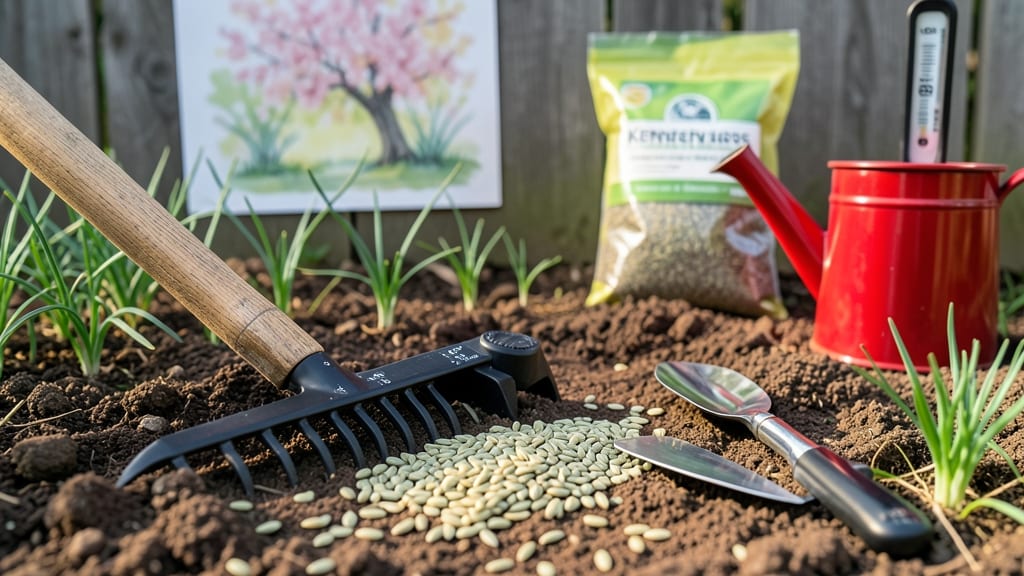
If you're asking "when is the best time to plant grass seed in Pennsylvania", the answer isn't just about the calendar—it's about beating frost and giving your 🌱 a fighting chance to root before winter sets in.
Pennsylvania's climate throws curveballs, with some regions like Pittsburgh warming up faster than Erie. Plant too early, and your seed could rot in cold, wet soil. Too late, and winter steals your progress.
The sweet spot? When soil hits 60-75°F—usually late summer to early fall or early spring—but timing varies by your exact location in the state.
I'll break down the exact windows for your area, plus how to check soil temperature like a pro (no guesswork!). You'll also discover which grass varieties handle Pennsylvania's unpredictable weather best—so you can skip the trial-and-error and get straight to that lush, green lawn.
Whether you're dealing with urban heat islands or rural chill, this guide gives you the local intel you need to plant with confidence. Let's get your lawn off to the best possible start.
Pennsylvania’s ideal grass seed planting windows by region (soil temp guide)
Pennsylvania’s diverse climate means one planting window doesn’t fit all. The Keystone State spans USDA zones 5b to 7a, creating distinct microclimates from Philadelphia’s coastal warmth to Erie’s lake-effect chill.
For optimal germination, aim for soil temperatures between 50°F and 75°F—cold soil slows growth, while overheated soil risks drought stress.
Most gardeners focus on spring (March-April) and fall (September-October) planting, but regional variations shift these timelines. Southern PA (zones 6b-7a) can plant 2 weeks earlier than Northern PA (zones 5b-6a). Even within cities, urban heat islands can create 5-7°F warmer soil than rural areas.
Here’s how to align your planting with Pennsylvania’s three key regions, using soil temperature as your guide—not just the calendar.
| Region | USDA Zone | Optimal Planting Window | Soil Temp Threshold | Key Considerations |
|---|---|---|---|---|
| Southern PA | 6b-7a | Early March–Mid-April Late August–Early October |
55°F–70°F | Warmer microclimates (e.g., Philadelphia suburbs); watch for spring rains delaying planting. |
| Central PA | 5b-6a | Mid-April–Early May Mid-September–Mid-October |
50°F–65°F | Moderate climate (e.g., Harrisburg, State College); fall planting ideal for root establishment. |
| Northern PA | 5b-6a | Late April–Early June Late August–Early September |
48°F–60°F | Cooler zones (e.g., Erie, Scranton); late-spring planting risks summer drought. |
For Pittsburgh and surrounding areas (zone 6a), aim for April 15–May 15 in spring or September 1–October 15 in fall. The city’s urban heat can push soil temps 5°F warmer than rural Allegheny County, so monitor conditions closely.
Erie’s lake-effect climate creates unique challenges. Near Lake Erie, soil warms faster in spring due to reflected sunlight, but late frosts can linger until May 10. Plant perennial ryegrass here—it germinates faster (7–14 days) and handles cooler soil better than Kentucky bluegrass.
In rural Appalachian regions (e.g., Pocono Mountains), soil stays cold longer. Wait until May 15 for spring planting, and prioritize tall fescue, which tolerates shade and cooler temps.
These areas often see first frost by October 1, so fall planting must wrap up by September 15.
Pro tip: Use a soil thermometer to confirm readiness—50°F at 2–4 inches deep is your green light. If temps drop below 45°F, germination slows dramatically, and seedlings may fail to establish before winter.
Remember, fall planting (especially September) often yields better results in PA. Cooler air and consistent moisture reduce weed competition, and grass roots establish deeply before winter dormancy. Just avoid planting after October 15—new growth won’t harden off before frost.
🌱
How to check soil temperature before planting grass seed (DIY methods)
Before you rush to plant grass seed in Pennsylvania, checking your soil temperature is the single most critical step. Grass seed struggles to germinate below 50°F, and planting too early in cold soil can lead to uneven growth or even rot.
Many gardeners skip this step and end up with patchy lawns or wasted seed—don’t let that be you!
You’ll need a simple soil thermometer, which costs just a few dollars but saves you from costly mistakes. These tools measure temperature at the right depth—usually 2-4 inches deep, where grass roots will establish.
If your soil is below 60°F, wait at least a week or two until conditions improve.
- Seed rot due to poor drainage
- Uneven germination from temperature fluctuations
- Weed competition before grass takes hold
If you don’t have a thermometer, try the moisture test: Dig a small hole, add water, and cover it with plastic. Check the next day—if the soil is still damp, it’s likely too cold for planting.
Alternatively, check your grass seed package for recommended soil temperatures; most cool-season grasses thrive between 60-75°F.
Timing is everything in Pennsylvania’s climate. For example, Pittsburgh’s soil warms faster than Erie’s due to lake effects, so adjust your planting window accordingly. In the Southern PA region, you might start as early as late February, while Northern PA often waits until mid-April or later.
Once your soil hits the sweet spot, act fast! Grass seed germinates quickly—within 7-21 days—so prepare your soil, remove weeds, and keep it consistently moist. A light layer of starter fertilizer can also give your new lawn the boost it needs to outcompete weeds.
Pro tip: Monitor soil temperature in the late afternoon when it’s warmest. If it’s consistently above 60°F for a few days, it’s time to plant.
And remember—fall planting (late August to early October) is often the best window in PA, as cooler temps reduce weed pressure and help roots establish before winter. ✂️