
Plants
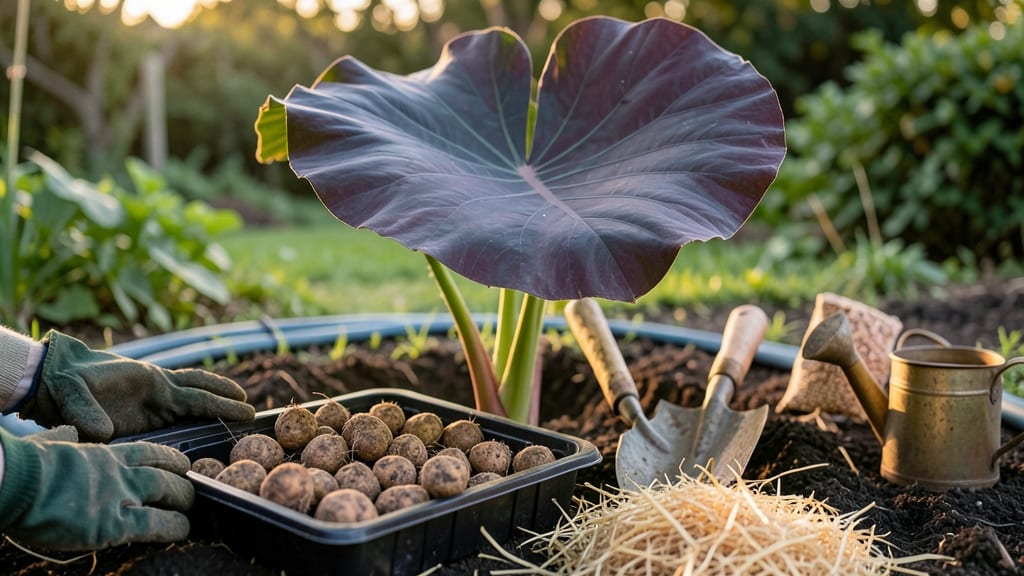
If you're dreaming of bold, tropical-looking foliage in your Georgia garden, knowing when to plant these elephant ear bulbs in Georgia is the key to success. Planting too early risks frost damage, while waiting too late might leave you with stunted growth—neither of which you want for these showstopping perennials.
Georgia's USDA Zones 7b-8a offer a perfect window for planting, but knowing exactly when to get those bulbs in the ground can make all the difference. The ideal time is after your last frost date—typically in March or April—when soil temperatures consistently stay above 60°F.
Why does this matter? Because Elephant Ears thrive in warmth and humidity, and getting them in the ground at the right moment ensures they’ll reward you with those dramatic, heart-shaped leaves all season long.
Let’s break down exactly when and how to plant for the best results in your Georgia garden.
Whether you're a seasoned gardener or just starting out, these tips will help you avoid common mistakes and set your Elephant Ears up for a stunning display. Ready to transform your garden with these tropical beauties? Let’s get started.
Optimal planting dates for elephant ear bulbs in Georgia’s USDA Zones 7b-8a
Georgia’s USDA Zones 7b-8a offer the perfect climate for growing elephant ear plants (Colocasia spp.), but getting the timing right ensures your tubers thrive. The key is planting after the last frost date—typically mid-March to early April—when soil temperatures consistently reach 60°F.
This window balances frost risk with warm soil, giving your bulbs the best start.
For gardeners in Zone 7b (northern Georgia), aim for late March to early April to avoid late frosts that can damage tender shoots. In Zone 8a (southern Georgia), you can plant as early as mid-February in microclimates with milder winters, but always check your local frost data.
The 215 frost-free days in Georgia mean you’ll enjoy a long growing season once planted correctly.
Here’s the critical planting timeline for Georgia gardeners: plant bulbs 2-3 inches deep in well-draining, enriched soil after the last frost. In containers, you can start tubers indoors 4-6 weeks before your target outdoor planting date to jumpstart growth.
This head start is especially useful for slow-to-emerge varieties like 'Black Stem' or 'Illustris'.
If you’re eager to start earlier, container gardening is your best bet. Plant tubers in pots indoors 4-6 weeks before your target outdoor date, then transplant after the last frost.
This method also lets you move plants to shade during Georgia’s intense afternoon sun (especially in July-August), protecting leaves from scorching. For in-ground planting, choose a sheltered spot like near a fence or under high branches of trees to buffer wind and extreme heat.
Another pro tip: Soak tubers overnight in lukewarm water before planting to encourage faster sprouting. This is particularly useful if you’re planting in late April or May, when Georgia’s heat can slow germination.
Pair this with a 2-inch layer of mulch (like shredded bark) to retain moisture and regulate soil temperature. Mulching also suppresses weeds, which compete for nutrients your elephant ears need to thrive.
For gardeners in Zone 7b, don’t rush to plant in February—even a light frost can kill emerging shoots. Instead, mark your calendar for April 1st as your safe planting deadline. In Zone 8a, you can push the envelope slightly earlier, but always monitor nighttime temperatures.
If a 32°F frost is forecasted, cover young plants with frost cloth or move containers to a sheltered area.
One common mistake is planting tubers too deep (more than 3 inches), which can rot them in Georgia’s humid climate. Aim for 2-3 inches deep with the eyes facing upward. Space bulbs 18-24 inches apart to allow for their large, dramatic foliage.
In containers, use a mix of potting soil and compost to improve drainage while retaining moisture—critical for Georgia’s summer heat and occasional droughts.
After planting, water deeply once a week (or more in extreme heat) to encourage strong root growth. Avoid overhead watering, which can lead to foliar diseases like leaf spot—a common issue in Georgia’s humid summers.
Instead, use a drip irrigation system or water at the base of the plant in the early morning to reduce evaporation and fungal risks.
With the right timing and care, your elephant ear bulbs will reward you with stunning, tropical-looking foliage all summer long. Whether you’re in Zone 7b or 8a, sticking to these planting dates and soil prep tips will set you up for success—no matter how hot Georgia’s summers get! 🌿
Optimal planting dates for elephant ear bulbs in Georgia’s USDA Zones 7b-8a
Georgia’s USDA Zones 7b-8a create a perfect growing environment for elephant ear plants, but timing your planting correctly is crucial. The ideal window to plant these tropical beauties is after your last frost date, which typically falls between mid-March and early April.
This timing ensures your bulbs won’t be damaged by unexpected late frosts while giving them enough warmth to establish strong roots.
For most of Georgia, the average last frost date is around March 15th, but this can vary by 1-2 weeks depending on your exact location. If you’re in Zone 7b (northern Georgia), aim to plant by mid-April to avoid frost risk.
Meanwhile, gardeners in Zone 8a (southern Georgia) can safely plant as early as late February in sheltered microclimates.
Soil temperature is another critical factor. Elephant ear bulbs need soil that’s warmed to at least 60°F before planting.
Use a soil thermometer to check—if your soil is cooler, wait a few more days. Warm soil speeds up root growth and helps prevent rot, which is especially important for these moisture-loving plants.
🌱 Elephant Ear Planting Timeline for Georgia
| Stage | Action | Notes |
|---|---|---|
| Early March | Prepare soil | Amend with compost for better drainage |
| Mid-March | Monitor frost dates | Wait until after last frost |
| Late March-Early April | Plant bulbs | 2-3 inches deep, 12-18 inches apart |
| April-May | Water deeply | Keep soil moist but not soggy |
| June-September | Enjoy foliage | Full growth in warm months |
If you’re eager to get started earlier, consider planting in containers and moving them outdoors after the last frost. This gives you more flexibility and protects young plants from unexpected cold snaps.
For in-ground planting, choose a location with partial shade—these plants love morning sun but can scorch in intense afternoon heat.
One common mistake is planting too late in the season. If you miss the March-April window, your elephant ears may struggle to establish before summer heat sets in.
For late plantings, opt for heat-tolerant varieties like 'Black Stem Acon' or 'Mojito' and keep them well-watered during their initial growth phase.
Remember, the key to success is patience and preparation. By following these guidelines, you’ll give your elephant ear bulbs the best possible start, ensuring they thrive throughout Georgia’s long, humid summers. With the right timing, you’ll be rewarded with those stunning, tropical leaves all season long! 🌿