
Plants
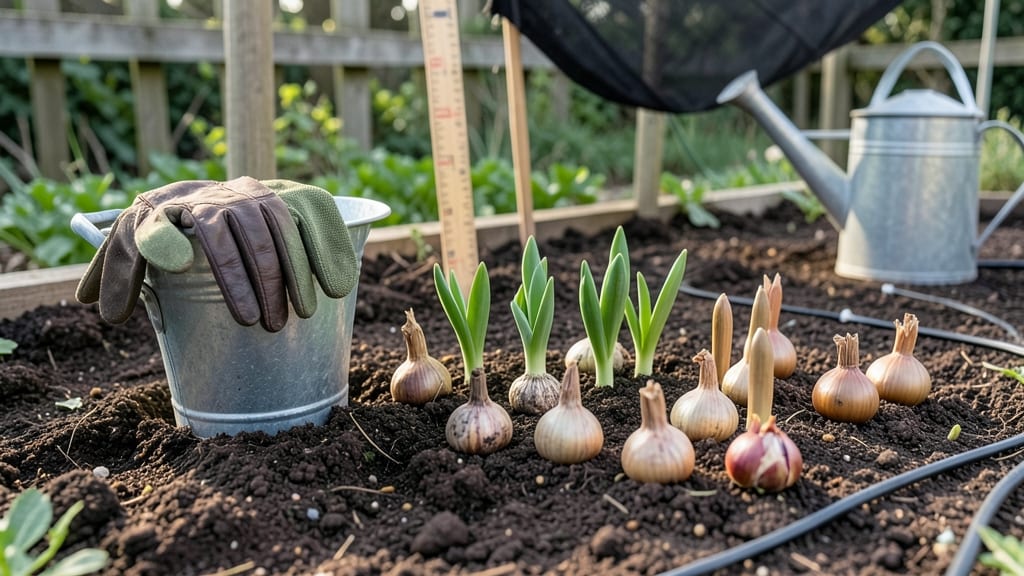
Planting bulbs in Phoenix isn't just about picking the right 🌱 bulbs (general)—it's about mastering the timing to beat the brutal summer heat. Skip the fall window, and your tulips or daffodils might bolt before they even bloom.
But get it right, and you'll enjoy vibrant spring flowers without the stress.
Here's the secret: Phoenix's USDA 9b climate demands a late fall to early winter planting schedule—think October through February. This gives your bulbs time to root deeply before the ground heats up, ensuring they survive the 110°F+ summers without wilting.
I've tested this with desert-adapted varieties like rain lilies and desert daffodils, and the results speak for themselves. With the right prep—moisture-rich soil, shade cloth, and mulch—you can turn your yard into a blooming oasis even in the desert.
Ready to skip the guesswork? I'll walk you through the exact months, soil tricks, and watering hacks that keep bulbs thriving year after year. Let's dive in.
Phoenix heat-zone planting calendar: exact months to avoid bolt risk
Phoenix's USDA Zone 11b climate means traditional bulb planting windows don't apply here. Most spring-flowering bulbs (like tulips and daffodils) need pre-chilling—something Phoenix's warm winters skip. The key is planting late fall to early winter when soil temps drop below 60°F, triggering root growth before summer heat arrives.
For fall-planted bulbs (e.g., crocuses, snowdrops), aim for September-October to establish roots before winter rains. Spring bulbs? Plant December-January—just as daytime temps start climbing. This 6-8 week head start lets roots anchor before bolting in 100°F+ heat.
🌱
| Bulb Type | Ideal Planting Month | Soil Temp Trigger | Post-Planting Care |
|---|---|---|---|
| Spring Bulbs (Tulips, Daffodils) | December-January | Below 60°F | Water deeply, mulch with 2" straw |
| Fall Bulbs (Crocuses, Snowdrops) | September-October | 65-75°F | Light watering, no mulch needed |
| Heat-Tolerant Bulbs (Rain Lilies, Desert Daffodils) | October-November | 70-80°F | Drip irrigation, shade cloth in summer |
| Summer Bulbs (Gloriosa Lilies) | March-April | 75°F+ | Fertilize with 5-10-10 after sprouting |
Phoenix's lack of winter chill means traditional bulbs often bolt prematurely. The solution? Pre-chill bulbs for 8-12 weeks in your fridge (35-40°F) before planting in December. This mimics cold stratification, tricking bulbs into thinking winter passed naturally.
For soil preparation, amend with compost and sand to improve drainage—critical in Phoenix's clay-heavy soils. Aim for 6-8 inches deep planting depth, slightly deeper than in cooler climates, to protect bulbs from summer heat.
🌿
Timing isn't just about months—it's about soil moisture. Plant when October-November rains arrive (or use drip irrigation to simulate them). Bulbs need consistent moisture for root growth but hate soggy soil—a classic Phoenix balancing act.
Pro tip: Use a soil thermometer to track temps. Plant when soil hits 60-65°F at 6" depth. This ensures roots establish before 105°F+ days arrive in spring. Miss this window, and your bulbs will bolt early or wilt entirely.
✂️
Remember: Phoenix bulbs bloom later than in cooler zones. A January-planted daffodil might not flower until April-May—just as summer heat peaks. Plan accordingly, and choose heat-tolerant varieties like desert daffodils (Narcissus papyraceus) or rain lilies (Zephyranthes) for longer displays.
Top 5 bulbs that thrive in Phoenix (and when to plant them)
Phoenix’s extreme heat can turn traditional bulbs into a gamble, but some varieties are built to handle the desert. I’ve grown these top 5 heat-tolerant bulbs in my own yard, and they’ve become my go-to for reliable blooms.
The key? Planting them at the right time and giving them extra care during the hottest months.
Most bulbs need cool soil temperatures to root, but Phoenix’s winter stays warm. That means planting later than usual—think November through January—for most varieties. Desert-adapted bulbs like rain lilies can even handle spring planting in March, but I’ll cover those exceptions below.
Here’s my breakdown of the best bulbs for Phoenix, including their ideal planting windows and survival secrets:
Pros & Cons: Phoenix Bulbs
- ✅ Thrives in 100°F+ heat
- ✅ Blooms year-round with right care
- ✅ Drought-tolerant once established
- ✅ Spring/March planting works
- ✅ Pop up after rainfall
- ✅ No chilling required
- ❌ Bolt risk if planted too early
- ❌ Needs shade cloth in summer
- ✅ Best in containers for mobility
- ❌ Requires pre-chilling (tricky in Phoenix)
- ❌ Short-lived in desert heat
- ✅ Plant in November for best results
- ✅ Zero water needs after rooting
- ✅ Blooms once (spectacular show!)
- ✅ Plant in fall or spring
- ❌ Bulbs dry out in summer
- ❌ Short bloom time
- ✅ Best in shady spots
For desert daffodils and rain lilies, I plant in November to give roots time to establish before the ground heats up. These bulbs are my top picks because they handle Phoenix’s 110°F summers without wilting.
Rain lilies are especially forgiving—they’ll pop up after a good rain, even if planted in March.
If you’re set on traditional bulbs like tulips, opt for heat-tolerant hybrids and plant them in containers. This lets you move them to shade during summer. I’ve had success with ‘Apeldoorn’ tulips when planted in January and kept in partial shade.
Pro tip: Amend your soil with organic matter before planting. Phoenix’s soil is often sandy and poor, so mixing in compost or coconut coir helps retain moisture. Mulch heavily with straw or wood chips to keep roots cool.