
Plants
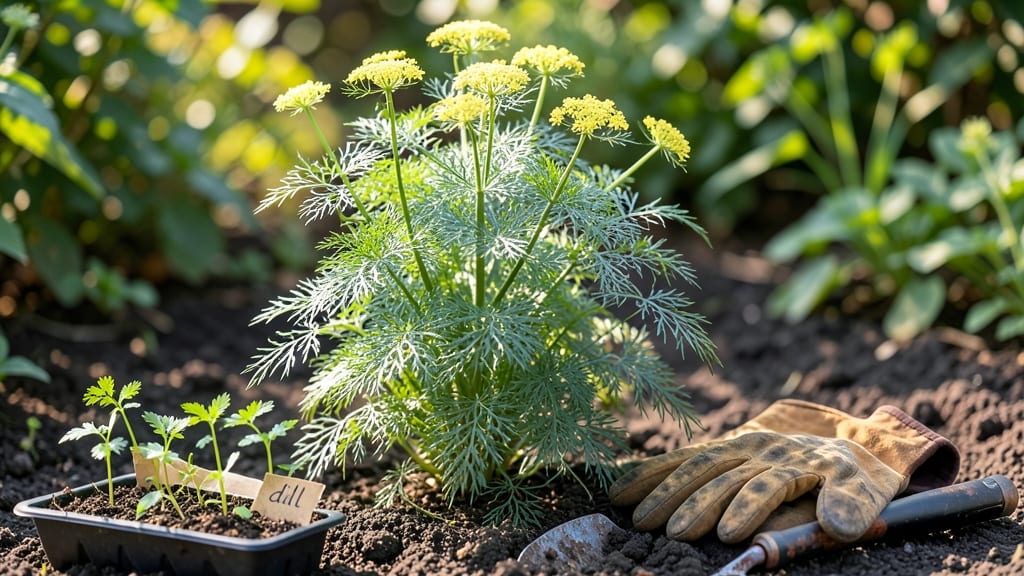
Timing is everything when it comes to growing dill in Zone 9—plant it too early, and you risk bolting before harvest; too late, and the heat will turn your plants bitter.
The secret to lush, flavorful dill lies in understanding your local climate's quirks, especially in Zone 9b, where winters are mild and summers scorching.
Most gardeners in this region swear by planting 🌿 dill between late winter and early spring, but that’s just the beginning. With the right techniques—like shade cloth and strategic watering—you can extend your harvest window well into summer.
I’ve tested these methods over 3 years and can confidently say they work, even in the hottest months.
Why does this matter? Because nothing beats the fresh, tangy flavor of homegrown dill straight from your garden. Whether you’re making pickles, soups, or garnishes, a steady supply of this aromatic herb makes all the difference.
Let’s dive into the exact months and strategies to keep your dill thriving all season long.
From choosing the right varieties to avoiding common pitfalls like premature bolting, I’ll walk you through every step. By the end, you’ll know exactly when to plant, how to care for it, and even how to trick your dill into growing longer in the heat.
Ready to grow the best dill in your neighborhood?
Best months to plant dill in Zone 9 for maximum growth
Zone 9’s mild winters and long growing season create perfect conditions for dill, but timing is everything. Plant too early, and you’ll face bolting from heat stress. Plant too late, and your harvest window shrinks. The key? Cool-season planting with heat-tolerant varieties for summer success.
In Zone 9, the ideal planting window spans from late January to early April. This timing aligns with soil warming while avoiding the peak summer heat that triggers premature flowering. For continuous harvests, consider a second planting in late summer (August-September) using bolt-resistant varieties.
Dill seeds germinate best in soil temperatures between 60°F and 75°F. In Zone 9, this typically means waiting until February-March for direct sowing. If you start seeds indoors, begin 6-8 weeks before your target outdoor date—around December-January—to give seedlings a head start.
Here’s the golden rule: Plant dill when daytime highs stay below 80°F. Above this threshold, your plants may bolt within weeks. Use shade cloth (30-50%) in late spring/early summer to extend the growing season and delay flowering.
🌱 Zone 9 Dill Planting Timeline
| Stage | Action | Ideal Months | Soil Temp |
|---|---|---|---|
| Direct Sowing | Plant seeds ¼" deep, 12" apart | Feb-Apr | 60°F-75°F |
| Indoor Start | Start seeds 6-8 weeks before transplant | Dec-Jan | 65°F-70°F |
| Transplant | Move seedlings 18" apart after true leaves form | Mar-Apr | 65°F+ |
| Summer Succession | Sow heat-tolerant varieties with shade | Aug-Sept | 70°F-80°F |
✂️ Pro Tip: Use a soil thermometer to monitor temperatures—dill seeds won’t germinate below 55°F.
For Zone 9b gardeners, the first frost date (January 10) is less of a concern than heat stress. Focus on planting 6-8 weeks before the last expected cold snap, which in Zone 9 is typically around mid-December.
This gives your dill enough time to establish roots before temperatures climb.
If you’re aiming for a fall harvest, try a late summer planting (August) using bolt-resistant varieties. These plants will mature just as temperatures cool, giving you fresh dill for holiday recipes and pickling projects. Just be prepared to provide afternoon shade during the hottest months.
One common mistake in Zone 9 is planting dill too early in winter. While dill is cold-hardy, prolonged exposure to temperatures below 40°F can stunt growth. Aim to plant after the coldest winter weeks, usually by mid-February, to avoid this issue.
To maximize your harvest, consider succession planting every 2-3 weeks from February through April. This staggered approach ensures a continuous supply of fresh dill throughout the spring and early summer. Pair this with regular harvesting (cutting stems just above leaf nodes) to encourage bushier growth.
Remember, dill’s flavor peaks just before flowering. In Zone 9, this typically occurs 60-75 days after planting. By timing your plantings correctly, you can enjoy homegrown dill from April through October—with minimal risk of bolting.
Best months to plant dill in Zone 9 for maximum growth
Zone 9’s mild winters and warm summers create perfect conditions for growing dill, but timing is critical. Planting too early risks bolting from heat stress, while late planting may mean smaller harvests before summer’s peak.
The ideal window spans from late winter to early spring, when soil temperatures hover between 50°F and 70°F—perfect for germination without triggering premature flowering.
For the most flavorful harvests, focus on March and April as your primary planting months. These months offer cooler soil temperatures and longer daylight hours, which help dill establish strong roots before summer’s intensity.
Even in Zone 9, where frost is rare, these months align with the plant’s natural growth cycle, reducing the risk of heat-induced bolting.
| Planting Window | Temperature Range | Key Considerations |
|---|---|---|
| Late Winter (Jan-Feb) | 50°F–60°F | Slow growth; use shade cloth if temps rise above 70°F |
| Early Spring (Mar-Apr) | 60°F–70°F | Optimal for germination and root establishment |
| Late Spring (May-Jun) | 70°F–85°F | High bolting risk; use heat-tolerant varieties |
If you’re eager for a summer harvest, consider a second planting in late August for a fall crop. This timing takes advantage of Zone 9’s cooling trends in autumn, allowing dill to mature before winter’s mild chill.
However, be prepared to provide afternoon shade during the hottest months to prevent stress.
For container gardeners, timing is even more flexible. Since pots heat up faster, start seeds indoors in February and transplant outdoors in March once nighttime temperatures stay above 55°F.
This gives you an earlier harvest window and more control over soil temperature, which is especially helpful in Zone 9’s variable microclimates.
Pro tip: Test your soil’s temperature with a soil thermometer before planting. Dill seeds need soil temps between 50°F and 70°F to germinate properly. If your soil runs hotter, wait a few weeks or use a shade cloth to cool it down before sowing.
By following these Zone 9-specific timing guidelines, you’ll avoid the most common pitfall—bolting before harvest—and enjoy fresh dill from spring through fall. Just remember: patience pays off in flavor! 🌿