
Plants
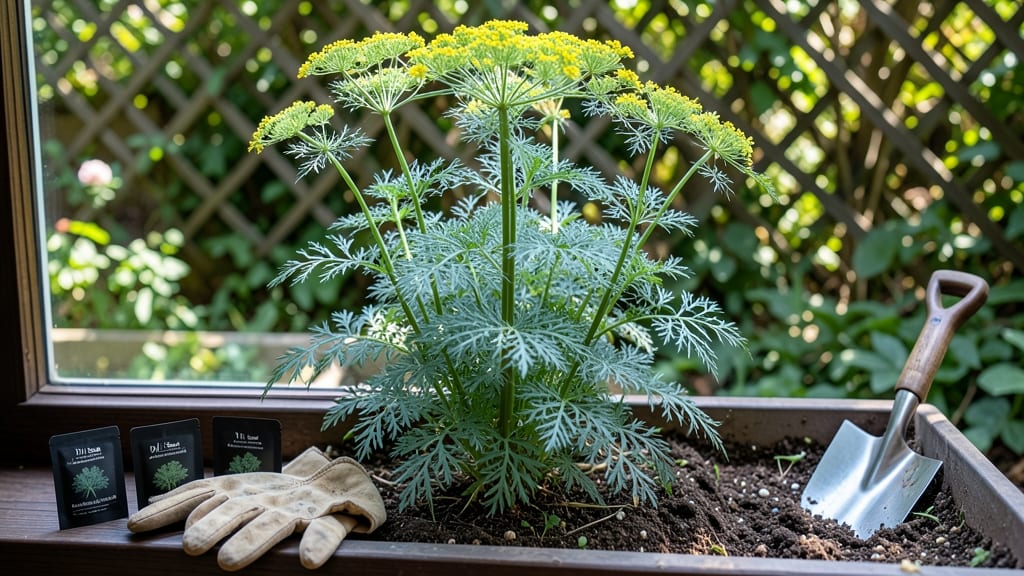
Planting dill in Florida at the wrong time can turn your fresh herbs into bitter, bolted disappointment—unless you know the exact windows to avoid that fate. Florida’s year-round growing season means you can grow dill anytime, but timing is the key to keeping it tender and flavorful.
While dill is hardy in Florida’s 9a-11 zones, the best times to plant are early spring (February-March) and late summer (August-September).
These periods give your 🌿 dill the ideal balance of warmth and cooler transitions, preventing the rapid bolting that turns your kitchen herb into a seed stalk before you can say "pickles."
Here’s the secret: Florida’s heat can trick dill into bolting faster than you’d expect, even in "good" months. I’ll show you how to beat the heat with succession planting and shade tricks that keep your dill happy from March through November.
Ready to grow dill that stays fresh, fragrant, and ready to harvest? Let’s dive into the Florida-friendly schedule that guarantees zero-bolt success—no guesswork, just flavor.
Best planting times for dill in Florida’s heat zones
Florida’s frost-free climate means you can grow dill year-round, but timing matters to avoid bitter, bolted plants. The key is planting when temperatures stay below 85°F—Florida’s summer heat triggers premature flowering. I’ve grown dill in USDA zones 9a-11 for years, and these windows work best:
For zero-bolt success, aim for early spring (February-March) or late summer (August-September). Spring plantings thrive as temps rise, while fall dill enjoys cooler weather before winter. Even in Florida’s heat zones, succession planting every 2-3 weeks keeps your harvest fresh.
Here’s how Florida’s heat zones break down for dill planting:
| Heat Zone | Ideal Planting Window | Avoid Planting When | Key Tip |
|---|---|---|---|
| North Florida (Zones 8a-9a) | Feb 15 - Mar 15 Aug 1 - Sep 15 |
May - July (temps >85°F) | Use shade cloth in summer |
| Central Florida (Zones 9b-10a) | Jan 15 - Feb 28 Jul 15 - Aug 31 |
Apr - Jun (peak heat) | Plant near water features |
| South Florida (Zones 10b-11) | Year-round (best Sep-Dec) | Mar - May (extreme heat) | Use drip irrigation |
In North Florida (zones 8a-9a), you’ll get two perfect windows: February-March and August-September. The summer heat (May-July) will make your dill bolt faster than you can say "pickles." I’ve seen plants go from seed to flower in just 3 weeks during heatwaves!
Central Florida (zones 9b-10a) gardeners have it easier with year-round options, but focus on January-February and July-August. The April-June stretch is risky—your dill might flower before you get a single harvest. Pro tip: If planting in late summer, choose shade-tolerant varieties like 'Bouquet' dill.
South Florida (zones 10b-11) is unique—you can plant anytime, but September-December gives the best flavor. The March-May heat will turn your dill bitter faster than a Florida summer turns a milkshake sour. For continuous harvests, I plant every 4 weeks from September through December.
Remember: Dill bolts when stressed by heat or drought. In Florida’s humidity, overwatering can be just as bad as underwatering. Aim for consistently moist (not soggy) soil. A mulch layer helps maintain even moisture without smothering roots.
For container growing, use pots with drainage holes and plant in well-draining potting mix. Containers heat up faster than garden beds, so move them to shadier spots during 11 AM-3 PM in summer months. I’ve had great success with 5-gallon buckets on casters for easy shade relocating.
One final tip: Direct sow seeds—dill hates transplanting. The taproot establishes quickly, and disturbing it causes stress. Scatter seeds ¼-inch deep, 12-18 inches apart, and thin to 12 inches when seedlings are 2 inches tall. This spacing prevents competition and makes harvesting easier.
With these timing strategies, you’ll enjoy fresh dill from your garden for 6-8 months of the year—no bitter surprises! 🌿
How to extend dill’s harvest season in Florida’s heat
Florida’s long, hot summers can turn your dill plants into bitter, bolted shadows of their former selves—but with the right strategies, you can extend harvests from spring through fall. The key? Succession planting and smart shade management to beat the heat.
I’ve grown dill in Central Florida for years, and these tactics keep my garden producing fresh leaves even in 90°F+ temperatures.
Start by planting dill seeds every 4-6 weeks from February through September. This staggered approach ensures you always have young, tender plants ready for harvest. For example, sow a batch in early March, then follow up in late April, June, and August.
Each new batch gives you 60-70 days of fresh growth before bolting becomes an issue.
Here’s how I delay bolting in Florida’s heat: Use 30-50% shade cloth during the hottest months (June-August). This reduces stress without starving the plant of light. I stake the cloth 3 feet above plants to allow airflow and prevent fungal issues.
Pair this with morning watering (1-2 cups per plant) to keep roots cool.
- 📅 Succession plant every 4-6 weeks from Feb-Sept for continuous harvests.
- ☀️ Use 30-50% shade cloth in June-August to reduce heat stress.
- 💧 Water deeply in mornings (1-2 cups per plant) to prevent wilting.
- 🌱 Harvest leaves early (before flowering) to encourage bushier growth.
- 🌿 Companion plant with cucumbers or lettuce to improve airflow.
Don’t overlook companion planting—it’s a game-changer for Florida dill. Pair your dill with cucumbers or lettuce to improve air circulation and deter pests like aphids. I also interplant dill with basil; the basil’s strong scent masks dill’s aroma, confusing pests.
Space plants 12-18 inches apart to prevent overcrowding, which worsens heat stress.
For container gardening, choose 5-gallon pots with well-draining soil and move them to shadier spots by midday. Potted dill bolts faster than in-ground plants, so monitor soil moisture closely—let the top inch dry between waterings.
I’ve had success with self-watering pots filled with coconut coir to retain moisture without soggy roots.
Finally, watch for heat stress signs: yellowing leaves, wilting stems, or premature flowering. If you see these, prune back 1/3 of the plant to redirect energy to root growth.
With these tactics, I’ve harvested fresh dill every month—even in July’s heat! The secret? Stay proactive with shade, water, and staggered plantings.