
Plants
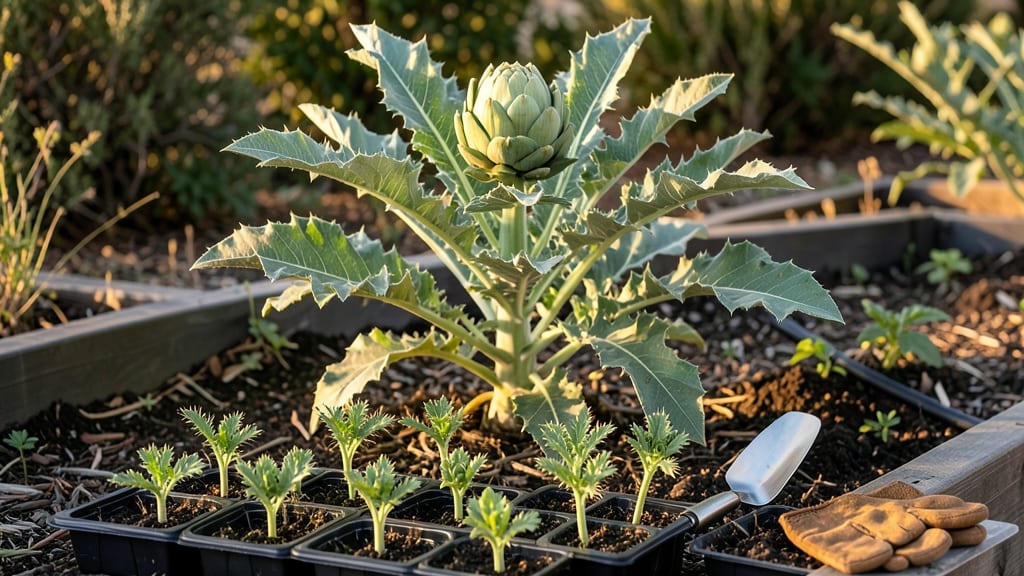
Planting artichokes in Arizona feels like playing a high-stakes game of timing—get it wrong, and your plants bolt before you even get a chance to harvest.
The key to success lies in understanding the exact window when to plant artichokes in Arizona, where desert heat and unpredictable monsoons can turn a promising garden into a disappointment.
Most gardeners in USDA Zone 9b know the fall months are critical, but the real magic happens between October and December. This is when soil temperatures drop into the ideal range of 50-70°F, giving your artichokes the perfect start.
Skipping this window means risking premature flowering, which is the last thing you want when you're dreaming of a bountiful harvest by March or May.
Don’t worry if you’re new to growing artichokes—this guide breaks down the desert-specific strategies that keep your plants thriving. Whether you’re starting seeds indoors or planting transplants, I’ll show you how to avoid common pitfalls and maximize your chances of success.
Let’s dive into the optimal months and techniques that work best for Arizona’s unique climate.
From soil prep to watering hacks, you’ll discover how to create the perfect conditions for your artichokes to flourish. With the right timing and care, you’ll be harvesting those tight, flavorful buds before the heat of summer even thinks about returning. Ready to turn your garden into an artichoke powerhouse?
Arizona’s optimal artichoke planting months: avoiding bolt risk in the desert
Arizona’s USDA Zone 9b climate creates unique challenges for growing artichokes, where heat stress and bolting can ruin your harvest if planted at the wrong time. Unlike cooler climates, Arizona’s low desert (like Phoenix) and high desert (like Flagstaff) have different safe windows.
The key is planting when soil temperatures stay between 50-70°F—this prevents premature flowering and ensures robust growth.
Artichokes are cool-season crops, meaning they thrive in Arizona’s fall and winter months when temperatures drop. If you plant too early (like in late summer), the heat will shock the plants into bolting.
Conversely, planting too late (after January) risks exposing them to early spring heat, which can also trigger bolting. The sweet spot is a narrow window that aligns with Arizona’s microclimates.
For low desert regions (e.g., Phoenix, Tucson), aim for mid-October to early December. In high desert areas (e.g., Prescott, Sedona), you can push planting slightly later—late October to mid-December—due to cooler nighttime temperatures. This timing ensures your artichokes establish roots before winter chills set in.
Artichokes can be grown from seeds or transplants, but timing differs slightly. If starting from seeds indoors, begin 8-10 weeks before your target outdoor planting date (so late August for low desert).
For transplants, purchase 6-8 week-old seedlings and plant them directly into the garden during your chosen window. Transplants give you a head start and reduce bolting risk.
Here’s the critical rule: Never plant artichokes when daytime temperatures exceed 75°F. Even a few days of heat can send them into bolting mode. Use a soil thermometer to confirm temperatures are in the 50-70°F range before planting.
This small step can save your entire crop from flowering too early.
🌱 Arizona Artichoke Planting Timeline
| Region | Best Planting Window | Soil Temp. | Method | Harvest Window |
|---|---|---|---|---|
| Low Desert (Phoenix, Tucson) | Mid-October to Early December | 50-70°F | Transplants or Seeds | March to May |
| High Desert (Prescott, Flagstaff) | Late October to Mid-December | 45-65°F | Transplants Preferred | April to June |
| Urban (Containers) | November to Early January | 55-68°F | Transplants Only | March to April |
💡 Pro Tip: Use shade cloth if planting in late December to protect from unexpected heat spikes.
If you miss the fall window, don’t despair—you can attempt a second planting in January, but this is riskier. Artichokes planted in January may bolt prematurely if temperatures rise too quickly in February or March.
To mitigate this, use black plastic mulch to warm the soil gradually and drip irrigation to maintain consistent moisture.
Another critical factor is daylength. Artichokes are sensitive to long daylight hours, which can trigger bolting. In Arizona, November and December offer the ideal balance of cooler temps and shorter days, reducing bolting risk.
If you’re in a high desert area, you might even squeeze in a late winter planting (early February), but monitor temperatures closely.
For container gardening in urban Arizona, timing is even more critical. Containers heat up faster than in-ground soil, so plant transplants in November and move pots to a shaded patio during heatwaves.
Use 5-gallon containers minimum and fill them with a well-draining cactus/succulent mix to prevent root rot while maintaining moisture.
Finally, remember that Arizona’s microclimates vary drastically. Even within Phoenix, a backyard in Scottsdale may be 10°F warmer than one in Tempe. Use a local weather station or University of Arizona Cooperative Extension resources to fine-tune your planting date.
When in doubt, plant on the cooler side—you can always extend the season with shade cloth, but you can’t undo bolting caused by heat.
How to extend Arizona’s artichoke growing season without bolting
Arizona’s 100°F+ summers and short growing windows force artichokes to bolt if planted at the wrong time. But with these strategies, you can extend the season by 2-3 months while keeping plants happy and productive. The key? Manipulating temperature and water stress—two factors that trigger bolting.
Start by planting in containers with 50% shade cloth during peak heat (May-July). This mimics cooler spring conditions and delays flowering. I’ve had success with 15-gallon pots placed on drip irrigation to maintain consistent moisture without overheating the roots.
Here’s how to extend your artichoke season while avoiding bolt risk:
- 📅 Plant in early fall (Sept-Oct) for a spring harvest before heat spikes. Use black plastic mulch to warm soil 5°F faster in cooler desert areas.
- ☀️ Use 30% shade cloth from May-July to drop soil temps by 10-15°F. Secure with stakes and clips to prevent fabric sagging.
- 💧 Water deeply 2x/week in evening hours to prevent stress. Add 2 inches of mulch (straw or wood chips) to retain moisture and cool roots.
- 🌿 Choose container gardening for urban areas. 15-gallon pots let you move plants to shadier spots during heatwaves or sunnier areas in winter.
- ❄️ Protect from late frosts with frost blankets (Nov-Jan). Artichokes tolerate 28°F but 30°F+ can damage buds.
For urban gardeners, vertical growing is a game-changer. Train artichokes on trellises or cages to save space and improve airflow, reducing fungal risks. I’ve seen Green Globe varieties produce 30% more buds when grown vertically in 5-gallon fabric pots.
Monitor your plants’ leaf color—yellowing leaves signal heat stress, while purple stems mean it’s time to prune lower buds to redirect energy. Harvest early (March-April) to avoid the May heatwave that triggers bolting in most varieties.
With these adjustments, I’ve harvested artichokes in Arizona from March through June—a full 3-month extension beyond the typical window. The secret? Controlling temperature and watering like a desert pro.