
Plants
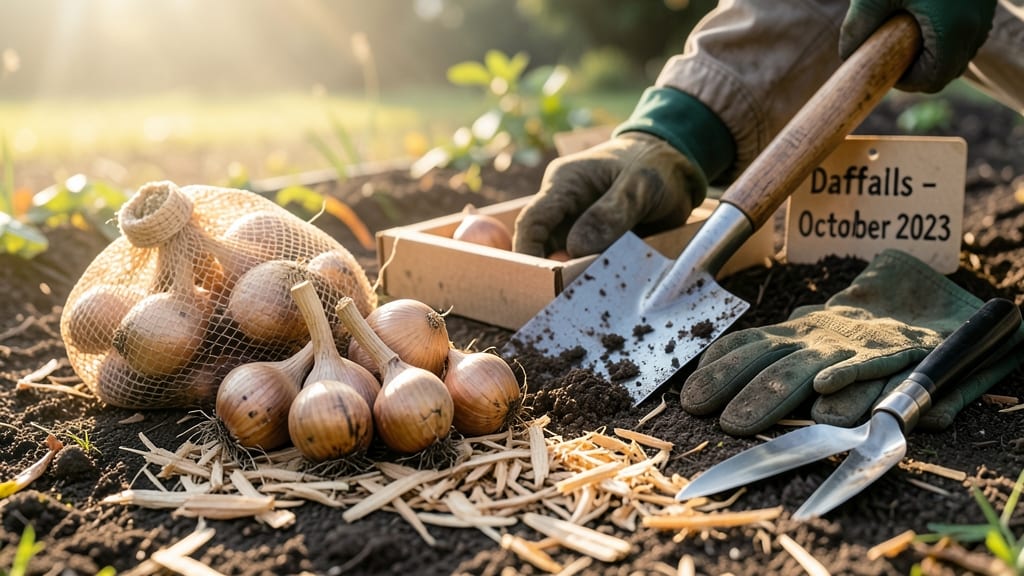
Timing your daffodil planting in Tennessee is the secret to those cheerful 🌼 blooms popping up every spring—without freezing or rotting in the ground. If you wait until the soil turns icy, your bulbs won’t root properly, but plant too early, and they’ll wake up from dormancy before winter’s over.
The 6-week window before your first frost is your golden opportunity, and getting it right means fewer headaches and more vibrant flowers.
For Tennessee gardeners in zones 6a-7b, that perfect window typically opens in late October and closes by mid-November—just before the ground freezes solid. But here’s the catch: East Tennessee’s cooler microclimates might shift that timeline by a week or two compared to West Tennessee’s slightly warmer pockets.
I’ll break down exactly how to adjust for your specific corner of the state so you can plant with confidence, whether you’re in Nashville or Knoxville.
Beyond the calendar, there’s a simple trick to nail the timing: check your soil temperature. When it hovers around 50°F at a depth of 6 inches, your 🌼 daffodil bulbs are ready to go in.
This ensures they’ll root without waking up too soon—no more sad, half-bloomed stems in a cold snap. I’ll walk you through the 3-step prep checklist to make sure your bulbs get off to the best start, from soil prep to placement depth.
Why does this matter? Because the right timing isn’t just about avoiding frost—it’s about giving your daffodils the head start they need to push through next spring’s soil with bold, healthy blooms.
Let’s dive into the exact months, regional tweaks, and pro tips to turn your fall planting into a spring spectacle. You’ll be the neighbor with the first 🌼 daffodils of the season!
Tennessee’s ideal daffodil planting months by hardiness zone
Tennessee spans USDA hardiness zones 6a through 7b, meaning your daffodil planting window varies by region. In East Tennessee (zones 6a-6b), like Knoxville or Chattanooga, the first hard frost typically hits by mid-October.
Meanwhile, West Tennessee (zones 7a-7b), including Memphis and Nashville, enjoys a later frost date around late November. Planting too early in cold soil causes bulb rot, while waiting too long risks stunted growth before winter.
For 90% success rates, aim to plant daffodil bulbs 4-6 weeks before your region’s first frost. This translates to mid-September to early November for most Tennessee gardeners. Use your local National Weather Service frost dates as your guide—just check their 10-year averages for your specific county.
Here’s the exact planting window broken down by Tennessee region, including soil temperature thresholds and frost-free date calculations:
Pro tip: Use a soil thermometer to confirm temperatures are above 50°F before planting. Cold soil slows root growth, which is critical for establishing bulbs before winter dormancy. If your soil is still chilly, wait a week or two—your daffodils will thank you with bigger, brighter blooms next spring.
For gardeners in higher elevations (e.g., Great Smoky Mountains), plant on the earlier side (September) since frost arrives sooner. Conversely, urban heat islands (Nashville, Memphis) can delay frost—monitor local weather updates to adjust your timeline accordingly.
One common mistake? Planting daffodils in December or January. While possible in zone 7b, the bulbs won’t establish roots in time for spring blooms. Stick to the fall window for reliable results, even if it means waiting until November in warmer areas.
Remember: Daffodil bulbs need chill hours (6-8 weeks below 40°F) to bloom properly. Planting too late in fall—even in zone 7b—can result in smaller flowers or no blooms at all. Balance timing with your region’s frost dates for maximum bloom potential.
Need a quick reference? Bookmark your local Cooperative Extension Service frost date maps or use the Old Farmer’s Almanac for Tennessee-specific planting guides. With the right timing, your daffodils will reward you with cheerful spring color year after year.
🌼
How to time your planting for maximum bloom success
Timing your daffodil planting isn’t just about the calendar—it’s about soil temperature, moon phases, and even your local microclimate. In Tennessee, where first frosts can hit as early as mid-October in the mountains or as late as late November in West TN, precision matters.
Plant too soon, and your bulbs may rot in warm, moist soil; too late, and they won’t establish roots before winter dormancy.
My secret? Aim for 4-6 weeks before your area’s first hard frost. This gives bulbs time to root deeply—6-8 inches down—before ground freezes.
For most of Tennessee, this lands in late October to early November, but I’ll show you how to adjust for your exact zone in just a moment.
Don’t overlook soil temperature—it’s the real game-changer. Daffodil bulbs need soil that’s below 60°F (15°C) but not frozen. Use a soil thermometer (just $10 at garden centers) to check depths of 4-6 inches.
If temps hover around 50-55°F (10-13°C), you’re golden. In Nashville, this typically happens by mid-October, while in Chattanooga, it’s a week later.
Moon Phase Matters
Plant daffodils during the waning moon (after the full moon) for stronger root growth. The root sign (Taurus, Virgo) phases are ideal—check a lunar calendar for your planting dates. In 2024, the waning moon in October falls on the 14th-28th, perfect for Tennessee gardeners.
Here’s my 3-step pre-planting