
Plants
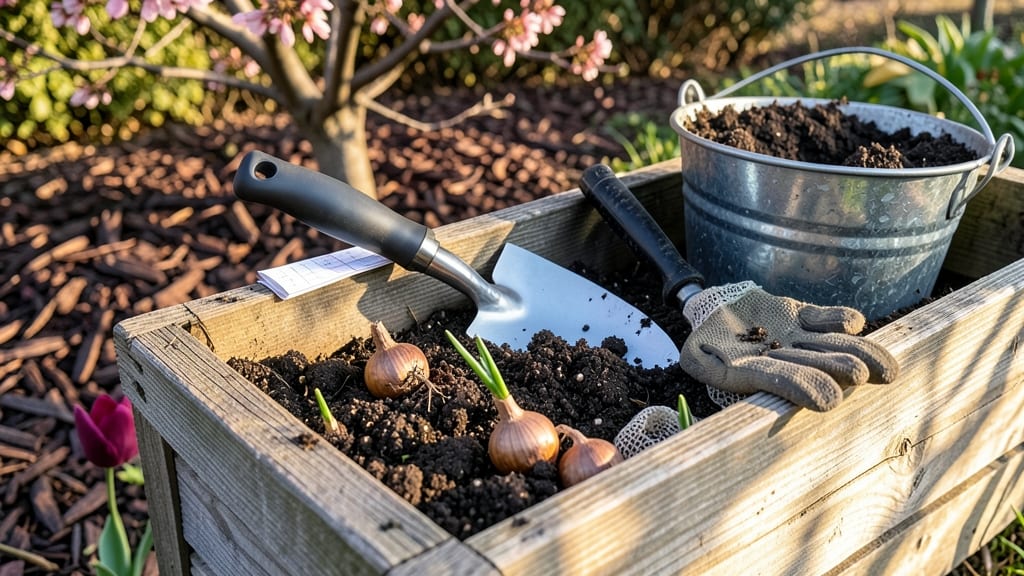
Timing when to plant bulbs in Maryland 🌷 just right is the difference between a showstopping garden and a missed opportunity—especially with our unpredictable frosts. Plant too early, and your bulbs might rot; too late, and they won’t establish roots before winter.
The key lies in knowing your hardiness zone (6a-7b) and following a proven schedule that aligns with Maryland’s first frost dates.
Most gardeners in Maryland swear by fall planting, but did you know spring planting can also work—if you follow the right steps?
Whether you’re tucking in daffodils in September or prepping for a March bloom, the goal is the same: get those bulbs in the ground when soil temps are cool but not frozen.
I’ll break down the exact windows for your zone, plus how to prep soil and protect your investment from Maryland’s sneaky late frosts.
What if you’ve planted bulbs before and ended up with weak or no blooms? Chances are, you missed the 6-8 week window before the ground freezes—or planted at the wrong depth.
I’ve tested these methods in Maryland’s climate, and the results speak for themselves: stronger stems, bigger blooms, and flowers that return year after year. Let’s dive into the science (and shortcuts) that make all the difference.
From tulips to alliums, not all bulbs thrive equally in Maryland’s soil. I’ll share the top frost-resistant varieties that consistently perform, plus how to adjust your planting timeline if you’re in a coastal area (like Annapolis) versus inland (like Frederick).
By the end, you’ll know exactly when to plant, what to plant, and how to give your bulbs the best shot at a zero-frost success.
Maryland bulb planting calendar by hardiness Zone (7a vs 7b)
Maryland’s two USDA hardiness zones—7a (colder inland areas) like Frederick and 7b (coastal/milder areas) like Annapolis—dictate your bulb planting window. Planting too early or late can lead to frost damage or failed blooms. Here’s your zone-specific schedule for tulips, daffodils, crocuses, and alliums.
In Zone 7a, aim to plant fall bulbs between September 15 and November 15, while Zone 7b gardeners have a slightly longer window—September 1 to November 15. Soil temperatures should be below 60°F (15°C) for optimal root growth before winter sets in.
Spring planting is also possible in Maryland, but only for tender bulbs like dahlias. Plant these after the last frost date—April 15 for Zone 7a and April 1 for Zone 7b—to avoid frost damage to emerging shoots.
Here’s your month-by-month breakdown for both zones, including ideal soil temps and frost-free deadlines:
| Zone | Month | Planting Window | Soil Temp | Notes |
|---|---|---|---|---|
| 7a | September | 15–30 | 50–60°F (10–15°C) | Ideal for tulips, daffodils |
| 7a | October | 1–31 | 40–50°F (4–10°C) | Last chance for root growth |
| 7a | November | 1–15 | Below 40°F (4°C) | Risk of frost; mulch after |
| 7b | September | 1–30 | 50–60°F (10–15°C) | Extended window for coastal areas |
| 7b | October | 1–31 | 40–50°F (4–10°C) | Soil stays workable longer |
| 7b | November | 1–15 | Below 40°F (4°C) | Mulch heavily to protect |
| Both | Spring | March–April | Above 50°F (10°C) | Only for tender bulbs |
For Zone 7a, the last frost date is typically April 15, while Zone 7b sees its last frost around April 1. Use these dates to guide your spring planting of bulbs like cannas or dahlias, which can’t tolerate frost.
Pro tip: Test your soil temperature with a soil thermometer before planting. Bulbs need 6–8 weeks of cool soil (below 60°F) to establish roots before winter. If your soil is still warm in late October, wait a few weeks.
In Zone 7a, early frosts can arrive as soon as November 15, so prioritize planting by mid-October. For Zone 7b, you have until November 15, but monitor weather forecasts for sudden cold snaps.
Mulch with 3–4 inches of straw or shredded leaves after planting to insulate bulbs from temperature fluctuations. Remove mulch in early spring once shoots emerge to prevent rot from excess moisture.
If you miss the fall window, spring planting is still an option for hardy bulbs like crocuses, but expect smaller blooms compared to fall-planted varieties. Always plant spring bulbs after the last frost and keep soil moist until roots establish.
🌱
Top 5 signs you’re planting bulbs too early (or late) in Maryland
Planting bulbs at the wrong time in Maryland can mean the difference between a vibrant spring display and a total flop. Missed deadlines or poor soil conditions often show up as subtle (or not-so-subtle) warning signs. Here’s how to spot them before it’s too late—and how to fix your timing.
First, watch for soft or mushy bulbs after planting. This happens when bulbs are planted in too-wet soil or during unseasonably warm falls. Maryland’s Zone 7a areas (like Frederick) can see early rains, while Zone 7b (Annapolis) may stay damp longer.
If your bulbs feel squishy, they’ve likely rotted from overwatering or planting too late.
Next, check for mold or fungus on the soil surface. This grayish growth appears when bulbs are planted in cold, soggy soil—a common issue in Maryland’s November planting window.
To fix this, improve drainage by mixing in compost or sand and avoid planting when the ground is below 50°F.
⚠️ WARNING: Late Planting Red Flags
Sign: Bulbs sprouting before winter (e.g., in December). Risk: Tender shoots will freeze and die in Maryland’s first frost (Zone 7a: Nov 15; Zone 7b: Nov 1). Fix: Plant 6-8 weeks before your area’s first frost date.
Sign: No shoots by mid-March. Risk: Bulbs may have rotted from planting too early in wet soil. Fix: Test soil temperature (aim for 60-70°F) before planting.
Another clue? Stunted or yellowing foliage in spring. This often means bulbs didn’t get enough root establishment before winter.
Maryland’s short growing season demands bulbs be planted by late October for Zone 7a and early November for Zone 7b. If your bulbs struggle, try deeper planting (6-8 inches) for better insulation.
Listen for squeaky or hollow-sounding bulbs when pressed. This indicates they’ve dried out from planting too late in dry soil. Maryland’s fall droughts (common in September) can dehydrate bulbs if not watered deeply after planting. Keep soil moist but not soggy until the first frost.
Finally, if your bulbs fail to bloom for 2+ years, they may have been planted at the wrong depth or in poor soil. Maryland’s clay-heavy soils (especially in western zones) benefit from amending with compost before planting.
Aim for 2-3 times the bulb’s height in depth—deeper for tulips, shallower for crocuses.