
Plants
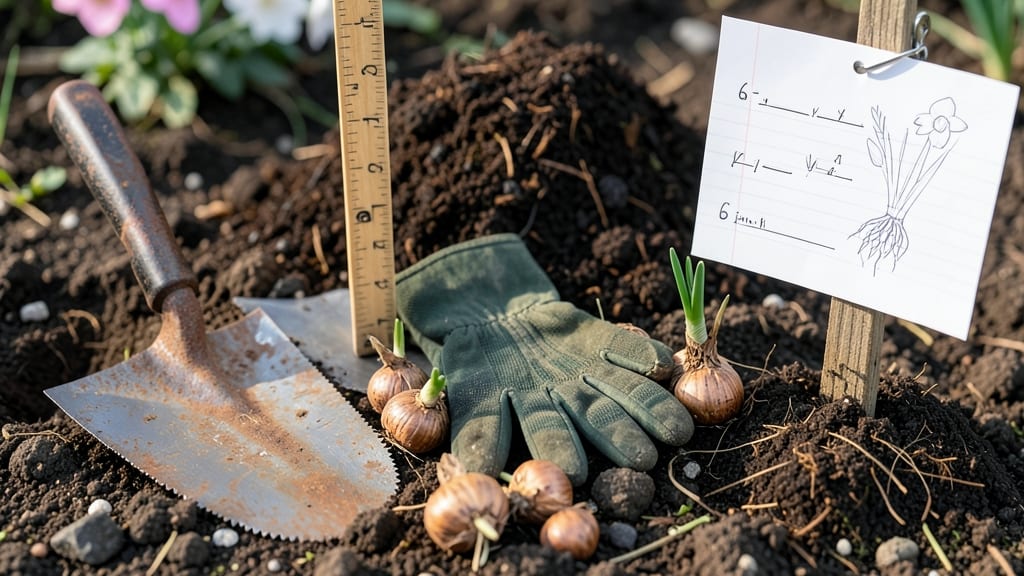
Planting daffodils in North Carolina at the wrong time could mean waiting years for those cheerful 🌼 blooms—or worse, never seeing them at all. The secret to vibrant spring displays lies in timing your fall planting just right, when soil temps drop but frost hasn't arrived yet.
With NC's USDA zones 6b-8a bringing everything from mild winters to early freezes, knowing your exact zone is the first step. I'll walk you through the ideal planting windows for each region, plus how to adjust if your winter comes early or late.
You'll discover why October through November is the magic window for most gardeners, and how to prepare your soil for maximum bulb success. Whether you're in the Piedmont's rolling hills or the mountains' cooler climate, these tips will ensure your daffodils emerge stronger and bloom brighter.
Let's cut through the guesswork so you can plant with confidence—and enjoy those golden 🌼 trumpets next spring without the frustration of "what if I waited too long?"
Best planting months for daffodils in NC by USDA zone
North Carolina spans USDA zones 6b through 8a, meaning frost dates vary dramatically from the Coastal Plain to the Mountains. To get those cheerful yellow blooms popping up reliably, plant daffodils when soil temps hit 60°F (15°C)—typically 6-8 weeks before the first frost.
In most of NC, that window opens in late September and closes by mid-November. But don’t guess—check your local frost dates!
For zone 6b (Western NC mountains like Asheville), aim for October 1-15—earlier than the Piedmont or Coastal areas. Meanwhile, zone 8a (Raleigh, Wilmington) gardeners have until mid-November before the ground cools too much.
The Coastal Plain (like Fayetteville) even allows December planting in mild winters, but bulbs need 6 weeks of chill to root properly.
Pro tip: Use the "back of the hand" rule—when your fingertips feel cool but your palm is still warm, soil temps are perfect for planting. This usually aligns with late October for most of NC.
Miss this window, and you risk rotten bulbs (if planted too late) or weak growth (if planted too early).
Visual Guide: NC Planting Zones & Frost Dates
| USDA Zone | Regions in NC | Ideal Planting Window | First Frost Date | Soil Temp Goal |
|---|---|---|---|---|
| 6b | Mountains (Asheville, Boone) | October 1-15 | November 5-15 | 60-65°F (15-18°C) |
| 7a | Piedmont (Charlotte, Greensboro) | October 15-November 1 | November 15-25 | 60-62°F (15-17°C) |
| 7b | Central NC (Raleigh, Durham) | October 20-November 10 | November 20-December 5 | 58-60°F (14-15°C) |
| 8a | Coastal (Wilmington, Fayetteville) | November 1-15 | December 10-20 | 55-58°F (13-14°C) |
If you’re in zone 8a (like Wilmington), you might spot daffodils blooming as early as February—but that’s only if planted in November. Planting in December risks bulbs rotting before they root, while September plantings may sprout too early and get frost-nipped.
The sweet spot is when soil temps are cool but workable, usually late October for most of NC.
For high-altitude gardens (e.g., Boone or Waynesville), prioritize early October planting—these areas can see earlier frosts and shorter growing seasons. Conversely, Coastal NC gardeners can push planting to mid-November thanks to milder winters.
Always amend soil with compost before planting to improve drainage, especially in clay-heavy Piedmont soils.
One common mistake is waiting until after the first frost—by then, soil temps may be too cold for bulbs to establish roots. Instead, plant in October and let winter chill the bulbs naturally.
This 6-week rooting period before frost is critical for next spring’s blooms. Use a soil thermometer ($10 at garden centers) to confirm temps if you’re unsure.
For container gardening (e.g., patio pots in Raleigh), plant daffodils in late October and move containers to a protected spot (like a garage) if temps drop below 20°F (-7°C).
This mimics the natural winter chill bulbs need to flower. Just avoid planting in summer—daffodils won’t bloom if they don’t experience cold dormancy.
Remember: Daffodil bulbs are hardy (zone 3-8), but timing is everything. Plant too early, and they’ll sprout and get frost-killed. Plant too late, and they’ll rot in cold, wet soil.
The 6-8 week rule before frost is your golden ticket to vibrant spring color—no matter where you garden in NC. 🌼
Critical factors that determine perfect planting timing
North Carolina’s variable climate means daffodil planting success hinges on three critical factors: soil temperature, frost dates, and bulb maturity. Ignoring any of these can turn your spring blooms into a bust—literally. Let’s break down how they interact to create the perfect window for planting.
First, soil temperature must drop below 60°F (15°C) but stay above 40°F (4°C)—this sweet spot signals bulbs to root without waking up too early. Use a soil thermometer to check; most NC regions hit this range by late September to early October.
Planting too soon in warm soil can cause premature sprouting, leaving tender shoots vulnerable to frost.
Frost dates are your ultimate deadline. Aim to plant 6-8 weeks before the first hard frost (typically mid-November in most of NC). In Zone 6b (Mountains), this means late September to early October, while Zone 8a (Coastal) gardeners can wait until October-November. Check your local NC State Climate Office for precise frost predictions.
Planting daffodils after mid-November in NC risks:
- Frozen bulbs before rooting (Zone 6b)
- Shriveled blooms next spring (all zones)
- Rodent damage—hungry squirrels target exposed bulbs
Don’t overlook bulb maturity. Younger bulbs need longer to root—plant them 4-6 weeks earlier than established bulbs. For large, premium bulbs (like those from specialty nurseries), you have a 2-3 week buffer. Check bulb size: 1.5-inch diameter or larger ensures robust growth.
Microclimates add another layer. Urban heat islands (like Raleigh or Charlotte) may stay warmer longer, while mountain valleys (e.g., Asheville) freeze earlier. Observe your yard: Does it frost earlier in low spots?
Adjust planting 1-2 weeks earlier in these areas. A shady microclimate? Plant 2 weeks later—cooler soil delays rooting.
Finally, moisture matters. Planting in dry soil forces bulbs to work harder to root. Water deeply 1 week before planting to create an ideal environment. In sandy soils (common in Coastal NC), add compost to retain moisture—this gives bulbs the head start they need.
Master these factors, and you’ll transform NC’s unpredictable winters into your daffodils’ secret weapon for earlier, showier blooms. 🌼