
Plants
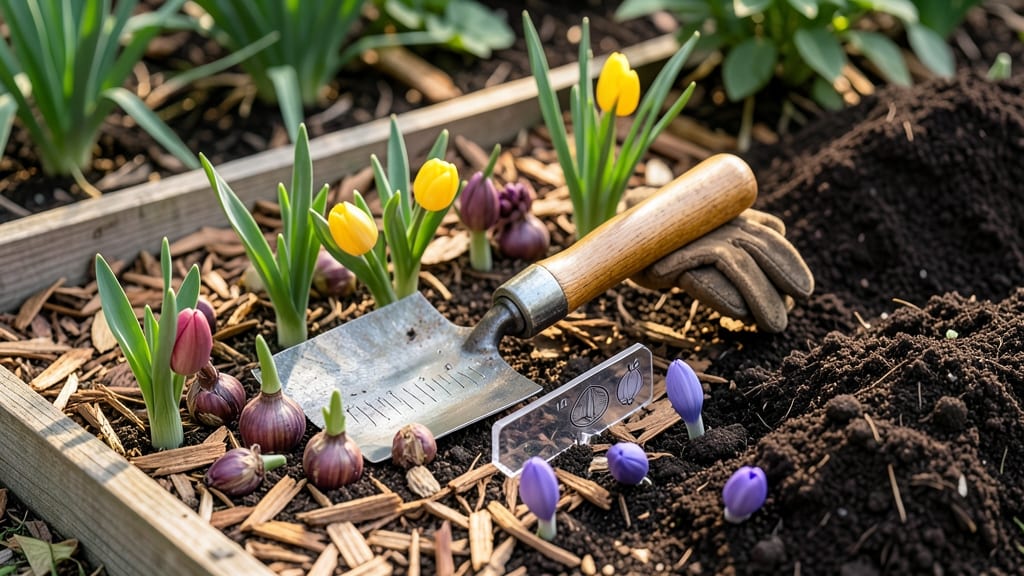
Timing your Spring Flowering Bulbs (e.g., Tulips, Daffodils, Hyacinths) 🌷 planting in North Carolina isn’t just about following a calendar—it’s about outsmarting the state’s variable climate before the first frost locks them out for good.
Most gardeners in NC’s 7a-8a zones know fall is the window, but the exact moment depends on where you live—whether you’re in the cooler mountains or the milder coastal plains. Plant too early, and your bulbs might rot; too late, and they won’t root before winter.
I’ll break down the ideal October-November schedule by region, plus how to check soil temperature and adjust for your microclimate. No more guessing—just reliable blooms next spring.
Ready to turn your yard into a springtime showstopper? Let’s get those bulbs in the ground at the perfect time, so they’re the first to pop up when your neighbors are still shoveling snow.
North Carolina planting zones: when to plant bulbs by month and region
North Carolina’s diverse climate—from the Coastal Plain’s humidity to the Mountains’ cooler temperatures—means bulb planting times vary dramatically. Most of the state falls in USDA Zones 7a-8a, but even small shifts in elevation or latitude can change your ideal planting window by weeks.
For example, Asheville (Zone 7a) has a shorter growing season than Wilmington (Zone 8a), so timing adjustments are critical.
Fall planting is non-negotiable for spring-blooming bulbs like tulips, daffodils, and hyacinths. These bulbs need 6-8 weeks of cool soil before the ground freezes to establish roots. In NC, that typically means October through mid-November, but your exact window depends on your specific zone and microclimate.
Plant too early, and roots may rot in wet soil; too late, and bulbs won’t survive winter’s freeze-thaw cycles.
Here’s the golden rule: Plant bulbs when soil temperatures drop below 60°F (15°C), but before the first hard frost. In most of NC, this lands in late October to early November.
However, coastal areas like Morehead City (Zone 8a) can plant as late as December 1st, while higher elevations like Blowing Rock (Zone 6b) may need to plant by October 15th to avoid frost damage.
🌱
| Region | USDA Zone | Ideal Planting Window | Soil Temp Threshold | Notes |
|---|---|---|---|---|
| Coastal Plain (e.g., Wilmington, Morehead City) | 8a-8b | Late October - December 1 | Below 60°F (15°C) | Warmer winters; can plant later |
| Piedmont (e.g., Raleigh, Charlotte) | 7a-7b | Mid-October - November 15 | Below 60°F (15°C) | Moderate winters; classic NC timing |
| Mountains (e.g., Asheville, Blowing Rock) | 6b-7a | September 15 - October 15 | Below 55°F (13°C) | Cooler soils; plant earlier |
For spring-planted bulbs like caladiums or cannas, the rules flip: wait until after your last frost date (typically mid-April in the Piedmont, earlier in coastal areas). These bulbs thrive in warm soil and won’t tolerate freezing temperatures, so rushing them out too soon can stunt their growth.
Microclimates matter too. A south-facing slope in the Mountains might warm up faster than a north-facing yard in the Piedmont, creating a 2-3 week difference in safe planting windows. Observe your garden’s unique conditions—shade from trees, proximity to water, or even pavement heat—can shift your ideal timing by weeks.
If you’re unsure about your exact zone, use the NC State Extension’s interactive zone map or dig a soil thermometer into the ground (6 inches deep) to monitor temperatures.
Aim to plant when readings consistently stay below 60°F (15°C) for at least a week. This ensures bulbs establish roots before winter’s chill sets in.
🌿
One common mistake? Planting bulbs based on calendar months rather than soil conditions. For example, November planting in the Coastal Plain might be too late if soil temps haven’t dropped below 60°F yet. Always check soil temperature—it’s the most reliable indicator of bulb-readiness in NC’s variable climate.
For winter-blooming bulbs like snowdrops or winter aconites, the window narrows further. These need to be planted in late summer (August-September) to establish roots before the first frost. In NC’s Zone 7a-8a, this means late August to early September—earlier than most spring-bloomers.
Finally, don’t overlook bulb depth. Plant spring-blooming bulbs 3 times as deep as their diameter (e.g., a 2-inch daffodil bulb goes 6 inches deep). This protects them from freeze-thaw cycles and rodent nibbling, two major threats in NC winters.
Use a bulb planter or trowel to ensure consistent depth across your garden.
✂️
Best fall planting months for north Carolina bulbs: a Zone-by-Zone guide
North Carolina’s 7a-8a zones mean your bulb planting window shifts depending on whether you’re in the cool mountain air of Asheville or the warmer coastal plains near Wilmington.
I’ll break down the exact months for each region, so you can plant with confidence and avoid the dreaded "frost before roots" disaster.
For Piedmont gardeners (Raleigh, Greensboro), aim for mid-October to early November. This gives bulbs like tulips and daffodils 6-8 weeks to root before the ground freezes—typically around mid-November. Soil temps should hover between 50-60°F for ideal root growth.
Mountain regions (Boone, Waynesville) have a shorter window—plant by late September to mid-October. First frosts hit as early as late October, so don’t wait. Use a soil thermometer to confirm temps are below 60°F before planting.
Coastal areas (Wilmington, Morehead City) can plant later, into early December, thanks to milder winters. However, avoid planting after December 10—roots won’t establish before the rare early frost.
📌 Numbered Highlights: NC Bulb Planting by Region
- 🏔️ Mountains (Zones 6a-7a): Late Sept - Mid-Oct | Soil temp 50-60°F | Frost risk Oct 25-Nov 10
- 🌄 Piedmont (Zones 7a-7b): Mid-Oct - Early Nov | Soil temp 55-65°F | Frost risk Nov 1-15
- 🌊 Coastal (Zones 8a-8b): Oct - Early Dec | Soil temp 60-70°F | Frost risk Dec 10-20
⚠️ Pro Tip: Check your last frost date (NC State Extension has local maps) and plant 6-8 weeks before.
If you miss the ideal window, don’t panic! December plantings can still work in Zone 8b (coastal), but cover bulbs with 4-6 inches of mulch to insulate them. For Zone 7a or cooler, wait until early spring (March) for winter-blooming bulbs like crocuses.
For container gardening, plant bulbs in pots by mid-October—they’ll root faster in controlled soil. Just move containers to a garage or insulated porch if frost threatens before roots establish.
Now that you’ve got your month-by-month schedule, grab your gloves and dig in! Next, we’ll cover the red flags that mean your bulbs aren’t ready to plant—don’t miss it.