
Plants
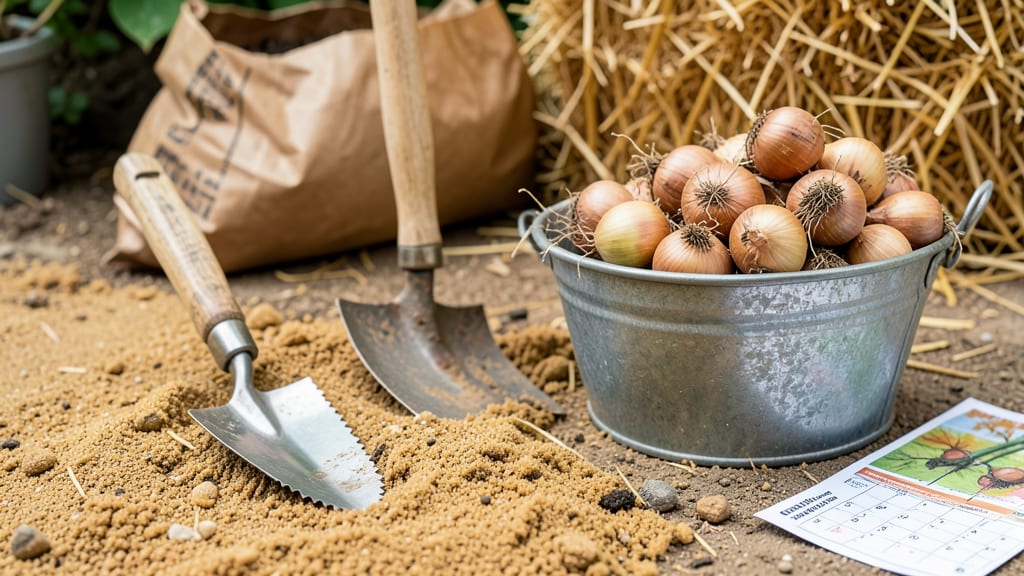
Planting daffodil bulbs in Zone 9’s mild winters might seem tricky—after all, you don’t want to risk rot or weak blooms from soggy soil or summer heat.
But timing it right in late summer or early fall can actually give your 🌼 daffodils the perfect head start for vibrant spring blooms.
The key is planting 4-6 weeks before your first frost, which in Zone 9b typically lands between mid-November and January. This window ensures bulbs establish roots in cool soil without facing summer’s scorching heat, which can stress delicate daffodil bulbs.
In this guide, I’ll walk you through the exact steps to prep your soil, choose the best varieties for Zone 9, and avoid common mistakes that can sabotage your spring blooms.
Whether you’re a first-time gardener or a seasoned pro, these tips will help you grow daffodils that thrive year after year.
Ready to transform your garden into a sea of cheerful yellow and white? Let’s dive into the secrets of Zone 9 planting that’ll make your neighbors green with envy.
Perfect late summer planting window for Zone 9 daffodils
Zone 9’s mild winters and warm soil make late summer to early fall the perfect time to plant daffodil bulbs. Unlike colder climates, you avoid frost risks entirely by planting after the summer heat subsides.
Aim for mid-August through early October—this gives roots time to establish before winter rains arrive.
Why this timing? Daffodils need 6-8 weeks of cool soil to root before blooming. Planting too early in Zone 9’s heat stresses bulbs, while waiting too late risks soggy soil and rot. The ideal window balances these factors perfectly.
For coastal Zone 9 (like Southern California), plant by late September to avoid winter rains. Inland areas (like Arizona) can extend planting until early November when nights cool further. Always check your last frost date—Zone 9 rarely sees frost, but microclimates vary.
Here’s the key: Plant when soil temps drop below 70°F but stay above 50°F. Use a soil thermometer to confirm—this usually aligns with late August to early October in most of Zone 9.
Pro tip: If you miss this window, plant in January instead. Daffodils tolerate mild winter soil and will still bloom in spring, though blooms may be slightly smaller.
| Planting Window | Soil Temp | Microclimate Notes | Bloom Time |
|---|---|---|---|
| Mid-August - Late September | 60-70°F | Coastal areas (e.g., LA, San Diego) | Early to mid-spring |
| Late September - Early October | 55-65°F | Inland desert areas (e.g., Phoenix, Palm Springs) | Mid to late spring |
| January (backup window) | 50-60°F | All Zone 9 regions | Late spring (smaller blooms) |
Ever wonder why some daffodils bloom earlier than others in Zone 9? It’s all about planting depth and variety. Shallower planting (4-6 inches) encourages earlier blooms, while deeper planting (6-8 inches) delays flowering slightly. For continuous color, stagger planting dates by 2-3 weeks.
In Zone 9, early bloomers like ‘Tête-à-Tête’ often flower in February, while late varieties like ‘Ice Follies’ may wait until April. Plan your garden layout accordingly—place early bloomers near pathways or containers for winter interest.
One common mistake? Planting daffodils in summer heat. Bulbs can rot within days if soil stays above 80°F. Always plant after Labor Day in most of Zone 9 to avoid this pitfall.
For container gardening in Zone 9, use well-draining pots and plant bulbs by mid-September**. Containers heat up faster than ground soil, so monitor temps closely. Add a thick layer of mulch (2-3 inches) to insulate roots.
Remember: Daffodils in Zone 9 thrive with minimal care once planted correctly. Focus on soil prep and timing, and you’ll enjoy low-maintenance spring blooms for years.
How to prepare soil and plant daffodils for Zone 9’s warm climate
Zone 9’s mild winters and warm soils make daffodil planting a delicate balance—too early, and bulbs rot; too late, and they struggle to root before summer heat. The key is preparing soil in late summer (August-September) to give bulbs a head start while avoiding summer planting risks like fungal diseases.
Start by testing your soil drainage. Daffodils hate soggy conditions, so amend heavy clay with coarse sand or perlite until it feels like a damp sponge, not a muddy mess.
Aim for a pH between 6.0 and 7.0—too acidic, and nutrients lock up; too alkaline, and bulbs won’t thrive.
When planting, dig holes 6 inches deep (twice the bulb’s height) and space them 4-6 inches apart. Tuck bulbs pointy end up, then cover with sharp sand (1 inch) to deter rodents. In humid coastal areas, add a 1-inch layer of gravel around bulbs to improve airflow.
Mulch lightly with straw or pine needles (not thick layers—Zone 9 winters stay warm). This keeps soil moist without suffocating bulbs. Water deeply once planted, then let nature take over until winter rains return.
After planting, avoid fertilizing until spring shoots emerge. Overfeeding now encourages weak root growth that struggles in Zone 9’s dry summers. Instead, focus on well-draining soil and shade cloth if planting in hot inland microclimates (like Phoenix or San Diego).
For container planting, use pots with drainage holes and a 50/50 mix of potting soil and perlite. Place containers in partial shade during summer to prevent bulb desiccation. Bulbs in pots need weekly watering until roots establish (about 6 weeks).
With the right soil prep, your daffodils will bloom reliably in spring—even in Zone 9’s tricky climate. The secret? Cool soil, not cool weather—plant when temps drop, not when frost looms. 🌱