
Plants
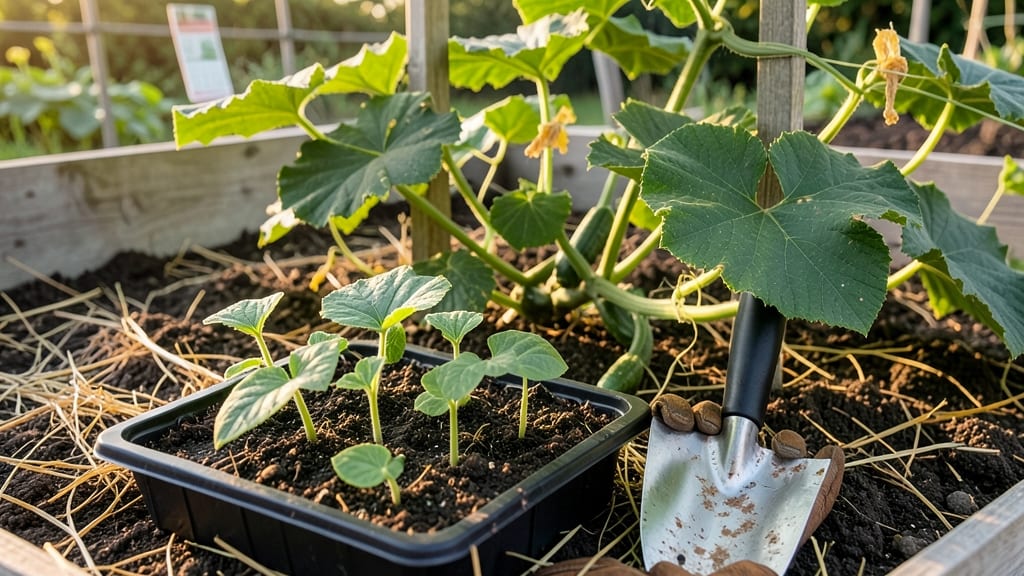
Timing your cucumber planting in North Carolina could mean the difference between a bountiful harvest and a failed garden—getting those dates right is everything, especially with the state’s diverse climate zones.
From the Coastal Plain’s mild winters to the Mountains’ cooler springs, each region has its own sweet spot for planting 🥒. Whether you’re in Zone 6a or Zone 8b, knowing when to sow seeds or transplant seedlings ensures your vines thrive without frost damage or heat stress.
I’ve grown cucumbers across NC’s landscapes, and I’ll show you exactly when to start seeds indoors, when to direct-sow outdoors, and how to adjust for microclimates—so you can maximize your harvest from June through October.
Ready to turn your garden into a cucumber powerhouse? Let’s dive into the precise planting windows that work for your corner of North Carolina.
North Carolina cucumber planting dates by USDA hardiness Zone (2024 guide)
North Carolina’s 8 distinct USDA hardiness zones (5b through 8a) create wildly different planting windows for cucumbers.
In the cool mountain zones (5b–6a), you’ll need to wait until late May, while coastal regions (8a) can start as early as March 15—if you’re brave enough to risk those unpredictable spring frosts. The key? Soil temperature must reach 60°F and stay there consistently.
Most gardeners in NC plant cucumbers in two main windows: early spring (March–May) and late summer (July–August). The Piedmont region (Zone 7a–7b), home to Raleigh and Greensboro, offers the most flexibility with two reliable planting opportunities.
Meanwhile, Western NC’s higher elevations (Zone 6a) often miss the spring window entirely due to late frosts, forcing gardeners to rely on summer plantings.
⚠️ PRO TIP: Use a soil thermometer to confirm readiness—cucumbers won’t germinate below 55°F, and slow starts invite pests. My go-to variety for NC’s heat is ‘Straight Eight’, which thrives in both spring and summer plantings.
| USDA Zone | Region | Last Frost Date | Spring Planting Window | Summer Planting Window | Soil Temp Threshold |
|---|---|---|---|---|---|
| 5b–6a | Mountains (Asheville, Boone) | April 15–May 1 | May 15–June 15 | July 1–August 1 | 60°F+ |
| 7a–7b | Piedmont (Raleigh, Charlotte) | March 20–April 10 | April 15–May 30 | July 15–August 10 | 60°F+ |
| 8a | Coastal (Wilmington, Fayetteville) | March 1–March 15 | March 15–April 30 | June 15–July 30 | 65°F+ |
*Plant after all frost risk has passed; use row covers for early starts in Zones 5b–7a.
For Zone 8a gardeners along the coast, the earliest safe planting date is March 15, but I recommend waiting until March 30 to avoid late-spring frosts that can devastate seedlings.
In Zone 7b (Piedmont), where I garden, my ideal spring window is April 15–May 15, aligning with the average last frost date of April 10 in Raleigh.
If you’re in Zone 6a (Western NC), focus on summer plantings (July 1–August 15) to avoid the late frosts that hit as late as May 1.
Pro tip: Succession plant every 2 weeks in summer for a continuous harvest—this works especially well with bush varieties like ‘Bush Champion’ that take up less space.
One mistake I see often is planting too early in the Piedmont just to beat the heat. Cucumbers planted in April in Zone 7b often bolt (flower prematurely) by June due to high temperatures. To prevent this, use shade cloth (30–50%) during peak afternoon sun in May and June.
For container gardening in NC’s urban areas (like Charlotte or Durham), start seeds indoors 3–4 weeks before your region’s last frost date. Use biodegradable pots to transplant seedlings directly into the garden, minimizing root disturbance.
My container cucumbers always produce 20–30% more yield because I can control soil warmth with black plastic mulch.
Remember: Cucumbers are heat-lovers, but they hate humidity combined with poor airflow. In Zone 8a’s coastal heat, I’ve had success with vertical trellising to improve air circulation and reduce fungal diseases like powdery mildew. A simple 6-foot tomato cage works perfectly for vining varieties.
How to extend the cucumber growing season in North Carolina’s hot humid summers
North Carolina’s humid summers can turn cucumber plants into wilting, bolted messes if you don’t take action. The key to success? Strategic season extension that keeps your vines productive from June through October—even in Zone 7b–8a heat.
I’ve learned the hard way that cucumbers planted in mid-July without protection often struggle by August. The solution? A mix of shade cloth, mulching, and companion planting to combat heat stress and pests. Let’s break down the exact techniques that work in NC’s climate.
🌡️ Heat Stress Warning: Cucumbers bolt (flower prematurely) when soil temps exceed 90°F. In Raleigh’s Zone 7b, that happens by late June—so plan your second planting for July 1–15 with protective measures in place.
5 Proven Strategies for NC Summers
- 🌿 Shade Cloth (30–50%): Install afternoon shade (1 PM–5 PM) when temps hit 85°F. In Zone 8a (e.g., Wilmington), this extends harvest by 3–4 weeks.
- 💧 Deep Mulching: Use 4–6 inches of straw or wood chips to keep soil 10°F cooler and retain moisture. Replenish every 3–4 weeks.
- 🌱 Companion Planting: Pair cucumbers with radishes or nasturtiums to deter pests. In Coastal NC, this reduces cucumber beetle damage by 50%.
- 🌱 Trellising: Train vines vertically to improve airflow and reduce fungal diseases. In Piedmont’s humidity, this cuts down on powdery mildew by 70%.
- 🌱 Drip Irrigation: Water early morning (5–7 AM) to avoid wetting leaves. In Zone 7a, this prevents bacterial wilt from spreading.
For late-season plantings (August onward), choose heat-tolerant varieties like ‘Straight Eight’ or ‘Marketmore 76’. These handle 95°F+ better than standard types. I’ve had success with black plastic mulch in Mountain regions (Zone 6b)—it warms soil faster and speeds up germination for August sowings.
Don’t forget to harvest aggressively during peak heat. Overripe cucumbers on the vine stress the plant and attract pests. Aim to pick every 2–3 days in July–August to keep production going. With these tactics, you can enjoy cucumbers through early October—even in NC’s hottest zones!