
Plants
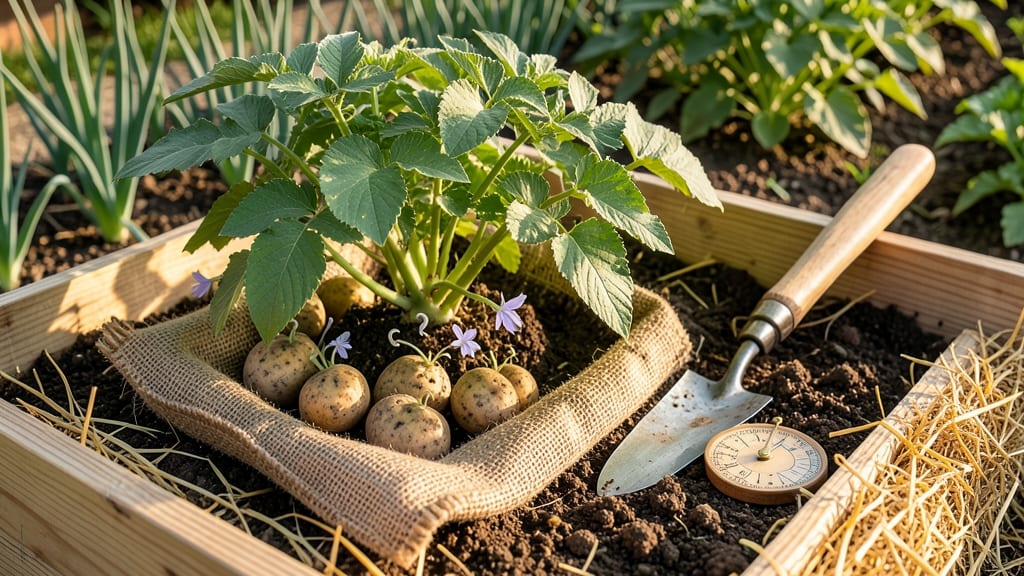
Timing when is the best time to plant potatoes in North Carolina can mean the difference between a bountiful harvest and wasted effort—especially when you're working with USDA zones 7a-8b and unpredictable spring weather.
The best time to plant potatoes isn’t just about following a generic calendar; it’s about reading your local frost dates and soil temperatures to give those 🥔 tubers the perfect start.
Most gardeners in NC swear by early spring planting (February-March) for early varieties, but late-winter (January-February) is also a smart move if you’re aiming for a jump-start. The key?
Planting 2-4 weeks before your last frost date—usually around mid-March—gives your potatoes time to establish roots without running into early chills. And if you’re growing main-crop varieties, hold off until April-May to avoid stunted growth.
Here’s the game-changer: soil temperature matters just as much as the calendar. Your potatoes need soil that’s at least 45°F—any colder, and they’ll rot. In NC’s humid climate, this often means waiting until late February or early March, depending on your exact zone.
I’ll show you how to check soil temps and adjust your planting schedule like a pro.
Ready to skip the guesswork? Stick around to learn the exact planting windows for your zone, how to pick the right varieties, and the 5 critical mistakes that derail NC potato harvests every year. Let’s get those spuds in the ground the right way!
North Carolina potato planting calendar by USDA Zone (with exact months)
North Carolina’s USDA Zones 7a-8b create unique planting challenges—cool mountain regions (Zone 7a) need earlier starts, while coastal areas (Zone 8b) can plant later. The key is aligning your seed potato planting with soil temperatures (aim for 45°F+) and frost-free dates (typically March 15 in most areas).
For Zone 7a (Western NC), start seed potatoes indoors in January or plant outdoors February 1-February 15. In Zone 8a (Central NC), direct-sow February 15-March 15, while Zone 8b (Coastal NC) can wait until March 1-April 1.
Here’s the exact planting window by zone, including soil temp and harvest timing to avoid late-season blight:
| Zone | Planting Window | Soil Temp | Last Frost | Harvest Window |
|---|---|---|---|---|
| 7a (Asheville) | Feb 1–Feb 15 (indoors) / Mar 1–Mar 15 (outdoors) | 45°F+ | Mar 15–Mar 30 | Jun 15–Jul 15 |
| 7b (Boone) | Feb 15–Mar 1 | 45°F+ | Mar 15–Mar 25 | Jun 1–Jul 10 |
| 8a (Raleigh) | Feb 15–Mar 15 | 50°F+ | Mar 1–Apr 1 | May 15–Jul 1 |
| 8b (Wilmington) | Mar 1–Apr 1 | 50°F+ | Mar 15–Apr 10 | Apr 15–Jun 15 |
Pro tip: Use a soil thermometer to confirm 45°F+ before planting—cold soil delays sprouting. In Zone 7a, consider row covers for early plants to protect from late frosts.
For a second harvest, plant late varieties (like Kennebec) in April—they’ll mature by September before first frost. Just avoid planting after June 1, as tubers won’t mature before winter.
NC’s humidity also matters—choose disease-resistant varieties (e.g., Red LaSoda) and space plants 12 inches apart for airflow. Mulch with straw to prevent blight in summer’s heat.
Remember: Early planting = earlier harvests, but don’t rush—seed potatoes need 4–6 weeks to sprout before last frost. Use this chart as your NC potato planting bible!
How to adjust planting time for early vs. late varieties in NC
North Carolina’s diverse climate lets you grow both early-maturing and late-maturing potatoes, but timing is everything. Early varieties (like 'Yukon Gold') mature in 90 days and can handle cooler soils, while late varieties (like 'Russet') need 120+ days and warmer temperatures.
Plant early potatoes 2-4 weeks before your last frost—typically February to early March—to avoid spring cold snaps.
For late varieties, wait until April to early May when soil temperatures reach 45°F or warmer. This ensures tubers develop properly without stunting from cool ground. Use a soil thermometer to check—if it’s below 45°F, delay planting until conditions improve.
In Zone 7a, this might mean waiting until mid-April, while Zone 8b gardeners can plant as early as late March.
Variety Type
Planting Window
Soil Temp Requirement
Harvest Window
Early (90-day)
February–Early March
40–45°F
June–Early July
Late (120+ day)
April–Early May
45–50°F
August–October
Don’t rely solely on the calendar—check for sprouted eyes on your seed potatoes. If they’ve already sprouted while stored, plant them immediately to avoid wasting energy. For short-season zones like western NC, prioritize early varieties to beat summer heat.
In warmer zones (e.g., eastern NC), you can even try a fall planting of early varieties in August for a late harvest before frost.
Pro tip: If your soil feels cold or soggy, mix in compost to warm it faster. Mulch with straw after planting to regulate soil temperature and retain moisture. Avoid planting when rain is forecasted—wet soil can delay sprouting and attract pests like wireworms.
Extend your growing season by choosing disease-resistant varieties like 'Red LaSoda' for cooler climates or 'Sweetheart' for heat tolerance. In Zone 8b, you might even squeeze in two crops: one in spring and another in fall. Just ensure your second planting finishes before the first frost in November.
Signs your soil is ready:
- 45°F+ soil temperature
- Drained excess water within 24 hours
- Loose, crumbly texture after loosening
- No standing water in low spots
✂️