
Plants
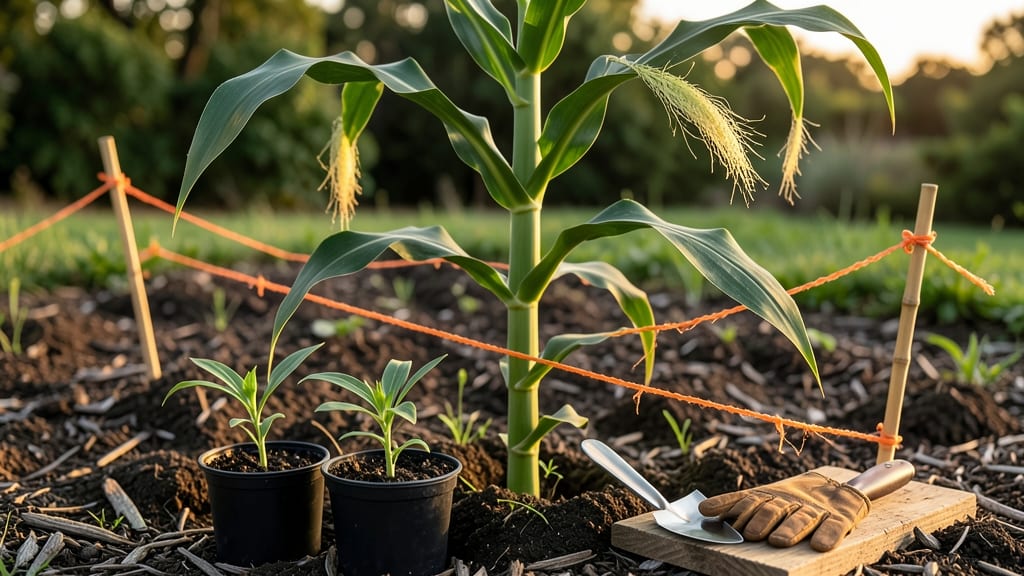
Knowing when to plant corn in New Jersey can make or break your harvest—because those golden ears won’t magically appear if you miss the window. With 6b-7a climate zones and frost dates that shift yearly, timing your 🌽 seeds right is the key to avoiding stunted plants or premature death.
Most gardeners in New Jersey wait until mid-April to late May, but that’s not a one-size-fits-all rule. Soil temperature, microclimates, and even your backyard’s exposure play a huge role.
Plant too early, and cold soil will stall germination. Too late, and you risk corn maturing just as frost rolls in—leaving you with underwhelming ears.
In this guide, I’ll break down the exact weeks before your last frost to plant for maximum yield, plus how to adjust for sandy soil in the Pine Barrens or urban heat islands.
Whether you’re growing sweet corn for summer meals or field corn for livestock, these tips will help you time it perfectly.
Ready to turn your garden into a cornucopia? Let’s dive into the science—and secrets—behind getting your 🌽 off to the fastest, most productive start in New Jersey’s growing season.
New Jersey corn planting calendar: exact weeks before last frost by region
New Jersey’s diverse climate means your corn planting schedule should vary slightly depending on whether you’re in North Jersey (Jersey City), Central NJ (Trenton), or South Jersey (Atlantic City).
The key is planting after the last frost date—typically mid-April—but also ensuring soil temperatures reach at least 60°F for germination.
For most of New Jersey, aim to plant 2-4 weeks before the last frost, but adjust based on your region’s microclimate. Northern areas may need to wait until late April, while southern regions can start as early as early April.
Always check your local USDA Zone (6b-7a) for precise timing.
Here’s a breakdown of ideal planting windows by region, including soil temperature thresholds and frost date adjustments to maximize your corn yield:
| Region | Last Frost Date | Ideal Planting Window | Soil Temp Threshold | Weeks Before Frost |
|---|---|---|---|---|
| North Jersey (Jersey City) | Mid-April | Late April to early May | 60°F or warmer | 2-3 weeks |
| Central NJ (Trenton) | Early April | Mid-April to late April | 58°F or warmer | 3-4 weeks |
| South Jersey (Atlantic City) | Early to mid-April | Early April to mid-April | 55°F or warmer | 4 weeks |
If you’re growing late-maturing varieties, consider planting a second crop in early June for a fall harvest. Just ensure you have enough growing days (165+) before the first frost in mid-October. Use black plastic mulch to warm the soil faster and extend the season for late plantings.
For urban gardeners in cities like Newark or Camden, microclimates can delay frost by a week or more. Monitor local weather forecasts and use frost-free date calculators from resources like the NJ Agricultural Experiment Station for precision timing.
Pro tip: Test your soil temperature with a soil thermometer before planting. Corn seeds won’t germinate well below 50°F, even if frost isn’t a threat. Aim for 60°F or higher for consistent sprouting.
Once you’ve nailed down your planting window, prepare your soil by adding compost or aged manure to enrich it with nitrogen. Corn is a heavy feeder, so well-amended soil is critical for tall stalks and plump ears.
Avoid over-fertilizing with nitrogen, though—too much leads to lush foliage but few ears!
After planting, maintain consistent moisture (1-2 inches per week) and watch for tasseling, the male flower stage. This is when your corn needs the most water to develop ears. Mulch around plants to retain moisture and suppress weeds, which compete for nutrients.
With the right timing and care, you’ll be enjoying homegrown corn on the cob by late summer—just in time for fresh eating or canning. Happy planting! 🌽
How to adjust corn planting for New Jersey’s microclimates and soil types
New Jersey’s diverse geography means your corn planting schedule should account for microclimates—whether you’re in a coastal urban garden or a rural inland plot. Coastal areas like Atlantic City experience milder winters, while inland regions near Trenton can have earlier frost risks.
Adjust your planting by 2-4 weeks depending on your location’s last frost date and soil warming trends.
Soil type also plays a critical role. Sandy soils warm up faster but dry out quicker, while clay soils retain moisture longer but can stay cold. Test your soil’s drainage and temperature—corn needs soil at least 60°F to germinate.
Use a soil thermometer to confirm readiness, especially in heavy clay areas where warmth lingers deeper.
🌱 Adjusting for Microclimates & Soil Types
Plant 1-2 weeks later
Use black plastic mulch for warmth
Add compost to improve drainage
Water deeply 2x/week
For urban gardeners with limited space, consider containers or raised beds. These warm up faster than ground soil, letting you plant 1-2 weeks earlier. Fill containers with a mix of 50% compost and 50% potting soil to retain moisture.
If using raised beds, add black plastic mulch 2 weeks before planting to raise soil temperature by 5-10°F.
If you’re growing late-maturing varieties (like 100-day or longer), extend the season with row covers or low tunnels. These can push your harvest window by 2-3 weeks, protecting ears from early fall frosts.
Remove covers during pollination to allow cross-pollination—corn needs wind or insects to transfer pollen between plants.
Finally, monitor local weather patterns. Check the NJ State Climate Office for 10-day forecasts—if a cold snap is predicted, delay planting until temperatures stabilize. Corn is sensitive to chilling injuries, which can stunt growth or cause ear rot.
When in doubt, wait for consistent 70°F+ days before committing to the garden.
With these adjustments, you’ll align your corn planting with New Jersey’s unique conditions, whether you’re battling coastal humidity or inland heat waves. The key is flexibility—adapt your schedule to your specific garden’s microclimate for the best results. 🌽