
Plants
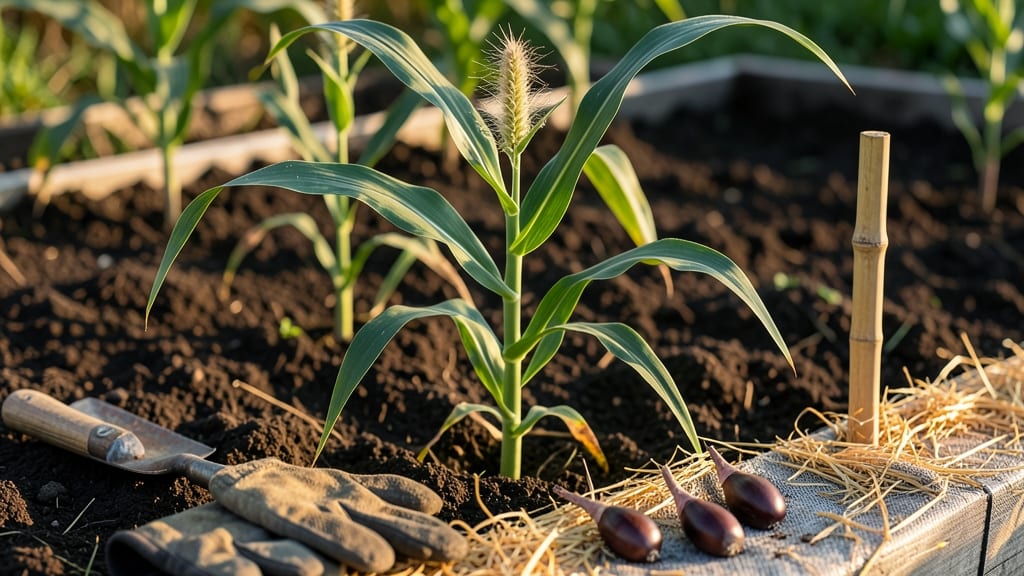
Timing your 🌽 corn planting in New York is the single most important factor in whether you end up with a towering, productive stalk or a sad, stunted disappointment. One week too early, and frost will nip those delicate seedlings in the bud before they even get started.
Here’s the truth: New York’s 5b-7a climate means you’ve got a narrow window—just mid-April to late May—to plant corn after the last frost has passed. Skip this window, and you’ll either be dealing with weak plants or racing against fall’s first frost before your ears mature.
But don’t stress—getting it right isn’t rocket science. I’ll walk you through exactly how to time your planting by county, check soil temperatures (yes, it matters more than you think), and pick the right corn variety for your region.
By the end, you’ll know exactly when to drop those seeds for a harvest that’ll make your neighbors jealous.
Ready to turn your garden into a cornucopia? Let’s dive into the frost-free deadlines and soil secrets that’ll set you up for success—no guesswork required.
New York corn planting deadlines by county: frost-free dates & safe planting windows
New York's diverse climate means your corn planting window varies dramatically from Long Island to the Adirondacks. Downstate regions like Westchester and Suffolk typically enjoy 165 frost-free days, while upstate areas like Erie or Chautauqua may only have 140 days.
This difference forces gardeners to choose varieties carefully and time plantings precisely to avoid early frost damage.
For most of New York, the ideal planting window stretches from mid-April to late May, but this shifts 1-2 weeks earlier in southern counties and 2-3 weeks later in northern regions.
Using your last frost date as a guide is essential—planting too early risks seed rot from lingering cold, while waiting too long may leave insufficient time for maturity before fall frost.
Here’s how to align your planting with New York’s regional variations, including USDA hardiness zones 5b-7a and county-specific deadlines:
| Region | Last Frost Date | Ideal Planting Window | Safe Varieties |
|---|---|---|---|
| Long Island (Suffolk, Nassau) | April 15–May 1 | Mid-April to late April | Early (85–95 days) |
| Hudson Valley (Dutchess, Ulster) | May 1–May 15 | Late April to early May | Mid-season (100–110 days) |
| Finger Lakes (Yates, Ontario) | May 10–May 25 | Early May to mid-May | Mid-late (105–115 days) |
| Western NY (Erie, Chautauqua) | May 20–June 1 | Late May to early June | Late (115+ days) |
| Adirondacks (Warren, Essex) | June 1–June 15 | Early June only | Fastest (75–85 days) |
If you’re in USDA Zone 6a (e.g., Albany or Schenectady), aim for late April to early May plantings, while Zone 5b gardeners (like those in Saratoga) should wait until mid-May.
Pro tip: Use row covers to extend your window by 2-3 weeks in cooler regions, protecting young plants from unexpected late frosts.
For gardeners in microclimates (e.g., urban heat islands or valleys), you can push planting dates 1 week earlier than the county average. Monitor local weather forecasts and use soil thermometers to confirm readiness—60°F soil is non-negotiable for germination.
Remember, corn needs 85–120 days to mature, so calculate backward from your first frost date (typically mid-October) to avoid disappointment. For example, if your frost date is October 15, plant early varieties by June 15 to ensure harvests before cold snaps.
In northern New York, where summers are shorter, prioritize early-maturing hybrids like 'Early Sunglow' (85 days) or 'Golden Bantam' (75 days). These varieties buy you critical time in Zone 5b, where frost can arrive as early as September 15.
For downstate gardeners, you have more flexibility to experiment with mid-season varieties like 'Silver Queen' (110 days) or 'Peaches and Cream' (105 days). Just be prepared to succession plant every 2 weeks from April to June to enjoy continuous harvests through September.
Finally, if you’re tempted to plant late June or July, choose super-early varieties (e.g., 'Ambrosia', 70 days) and accept smaller ears. These summer plantings are risky but can yield sweet corn for late-season meals before frost.
🌽
Perfect soil temperature for planting corn in New York (and how to test it)
Corn is a warm-season crop that refuses to germinate in cold soil—planting too early when temperatures dip below 50°F can leave seeds rotting in the ground.
In New York, where spring soil warms unevenly from south to north, timing your planting to the 60°F soil temperature threshold is critical for strong, uniform germination.
Why does soil temperature matter so much? Corn seeds need warmth to activate enzymes that break down starches into sugars for growth. Below 55°F, germination slows dramatically, and seeds may never sprout.
Even if they do, weak seedlings are more vulnerable to damping-off disease and pests. Testing your soil’s temperature before planting ensures your corn gets off to the right start.
How to check soil temperature without a fancy thermometer: Press your finger 2 inches deep into moist soil—if it feels cooler than your wrist, it’s likely below 60°F. For precise readings, use a soil thermometer (available for under $10) and take measurements in the morning when soil is coolest. Plant only when the thermometer consistently reads 60°F or warmer for at least 3 days.
Planting corn in below-60°F soil leads to:
- Rotten seeds (fungal infections)
- Stunted seedlings (weak roots)
- Uneven germination (patchy stands)
Solution: Wait for soil to warm naturally or use black plastic mulch 1–2 weeks before planting to raise temperatures by 5–10°F.
If your soil is still too cold by late May, opt for early-maturing varieties (like 'Early Sunglow') and plant in warmed beds or raised rows.
For organic gardeners, mix in well-rotted compost or leaf mold 2 weeks before planting—these amendments raise soil temperatures by 2–4°F by breaking down and generating heat. Avoid fresh manure, which can actually cool soil as it decomposes.
Once your soil hits 60°F+, act fast—corn seeds lose viability quickly in hot, dry conditions. Plant in the late afternoon to give seeds a chance to absorb moisture before evening dew sets in.
Water lightly after planting to settle seeds into contact with warm soil, but avoid overwatering, which can cool the soil and delay germination.
Pro tip: In Upstate New York (zones 5b–6a), soil may linger below 60°F until early June. Use a row cover or cloches over newly planted seeds to trap heat and speed up sprouting.
In Downstate (zones 7a–7b), where soil warms earlier, you can start as soon as mid-April in protected microclimates like greenhouses or south-facing beds.