
Plants
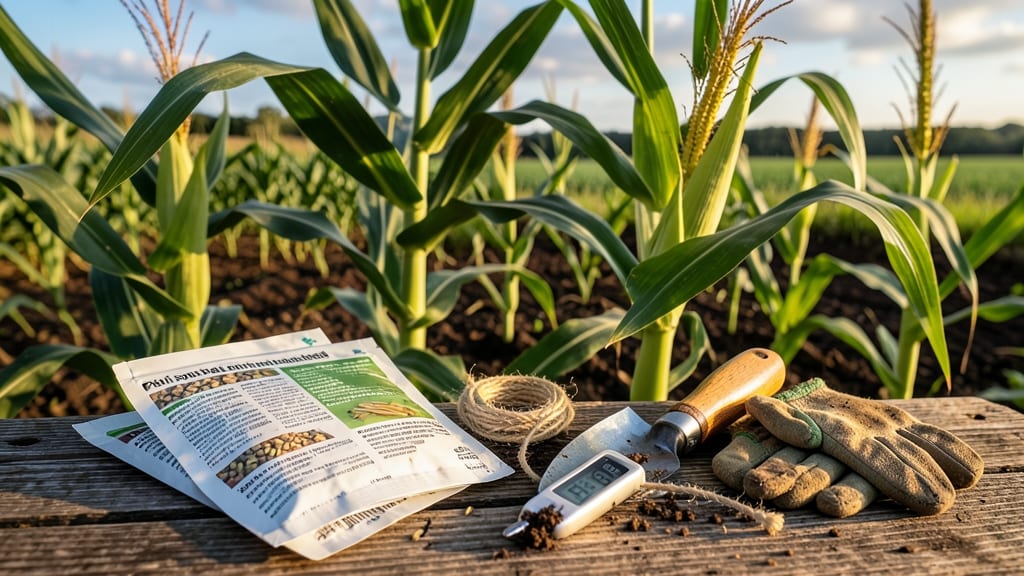
Timing your 🌽 corn planting in Nebraska can mean the difference between a bumper crop and wasted seeds. With USDA Zones 4b-6a bringing unpredictable frost dates, getting it right is everything - and missing the window by even a week can leave your plants struggling.
Most Nebraska gardeners aim for mid-April to early June, but the exact timing depends on your county's last frost date and soil temperature. In the western Panhandle, you might start planting as early as late April, while eastern areas like Omaha often wait until early May for safer results.
This guide breaks down the precise planting windows by region, plus pro tips for soil prep and variety selection. Whether you're growing sweet corn for the family or field corn for livestock, we'll help you avoid common mistakes that cut yields.
Ready to maximize your harvest? Let's dive into the exact dates and strategies that work for Nebraska's diverse climate zones - so you can plant with confidence and watch those stalks reach their full potential.
Nebraska corn planting dates by county: exact timing for optimal growth
Nebraska’s diverse climate—from the Panhandle’s arid western plains to the humid eastern river valleys—creates distinct planting windows for corn. Soil temperature and frost risk vary dramatically between counties, so I’ve broken down the ideal planting dates to help you time it perfectly for maximum yield and pest resistance.
For most of Nebraska, the optimal planting window is between mid-April and early June, but your exact timing depends on your county’s USDA hardiness zone (4b–6a) and microclimate. Western counties like Chase or Scotts Bluff can start as early as late April, while eastern counties like Douglas or Lancaster should wait until mid-May to avoid late frost.
Here’s a county-by-county breakdown to guide your planting schedule, including soil temperature thresholds (corn needs 50°F+ for germination) and frost-free day calculations to ensure your crop matures before the first frost.
| County | USDA Zone | Optimal Planting Window | Soil Temp Threshold | Frost Risk |
|---|---|---|---|---|
| Panhandle (Chase, Scotts Bluff) | 4b-5a | Late April–Mid-May | 50°F+ (soil) | High early frost risk |
| Northwest (Garden, Brown) | 4b-5b | Mid-April–Early May | 50°F+ (soil) | Moderate frost risk |
| Central (Hall, Hamilton) | 5a-5b | Early May–Mid-May | 55°F+ (soil) | Low frost risk |
| East (Douglas, Lancaster) | 5b-6a | Mid-May–Late May | 55°F+ (soil) | Minimal frost risk |
| Southeast (Saline, Jefferson) | 5b-6a | Late April–Early June | 50°F+ (soil) | Very low frost risk |
If you’re planting sweet corn varieties, aim for mid-May in most regions to align with peak pollination during Nebraska’s warmest months (June–July). Field corn can tolerate cooler soils and may be planted slightly earlier, but always wait until the soil temperature stabilizes above 50°F to avoid poor germination.
Pro tip: Use a soil thermometer to confirm temperatures—corn seeds won’t sprout reliably below 50°F, even if the air is warm. Western Nebraska’s sandy soils heat up faster, while eastern clay soils retain moisture longer, delaying warming.
For late-spring planting (after May 15), choose short-season varieties like ‘Ambassador’ (85-day maturity) or ‘Silver Queen’ (70-day maturity) to ensure harvest before the first frost. Succession planting every 2 weeks in June can extend your harvest window.
Always check the NOAA’s Nebraska frost risk map before planting—some years, late-May frosts hit unexpected areas like Lincoln or Omaha, threatening young seedlings. Row covers can buy you a few extra weeks if frost is forecasted.
Now that you’ve got your planting dates locked in, let’s talk about how to adjust for Nebraska’s microclimates—whether you’re in the Panhandle’s dry winds
How to adjust corn planting dates for Nebraska’s microclimates
Nebraska’s diverse geography—from the Panhandle’s arid plains to the eastern river valleys—creates microclimates that demand flexibility in your corn planting schedule. Even within a single county, elevation shifts of just 500 feet can alter frost dates by 1-2 weeks.
For example, Scotts Bluff County (west) may see safe planting by April 25, while Douglas County (east) often waits until May 10.
Your corn variety also plays a critical role. Early-maturing hybrids (like ‘Golden Bantam’) can handle late-April starts, while late-season varieties (e.g., ‘Pioneer 39T23’) need June planting to avoid frost before harvest.
Always check the relative maturity (RM) days on seed packets—85-day varieties planted in late May risk harvest delays in Zone 4b.
Here’s how to fine-tune your schedule using Nebraska’s unique conditions:
Every 1,000 feet higher delays frost by 3–5 days. Use this rule for western Nebraska hills:
- 3,000+ ft: Wait until May 1–15 for soil temps ≥50°F.
- 2,000–2,999 ft: Target April 25–May 5.
- Below 2,000 ft: Plant April 15–April 30.
Urban areas (e.g., Omaha, Lincoln) experience “heat islands” that warm soil faster. Plant 7–10 days earlier than rural zones. Conversely, valleys (like Platte Valley) hold cold air—delay planting by 1 week.
Use these free resources to adjust on the fly:
- NOAA Frost Forecast: Check 5-day outlooks for late frosts.
- Soil Sensors: AtlaSense or AcuRite probes track 50°F+ soil temps.
- Local Cooperative Extension: Call your county office for hyper-local advice.
Match your planting window to your corn type:
- Sweet Corn: 85–100 RM days → Plant April 20–May 10.
- Field Corn: 100–120 RM days → Plant May 1–June 1.
- Dent Corn: 110–130 RM days → Plant late May.
Pro tip: If your soil stays cold past your target date, use black plastic mulch to warm the ground by 5–10°F and extend your planting window by 1–2 weeks. Just remove it once soil reaches 60°F to avoid overheating roots.
By accounting for Nebraska’s microclimates and variety needs, you’ll avoid the #1 mistake—planting too late for your local conditions. Start with your county’s average last frost, then tweak based on elevation and real-time data.
Your corn harvest will thank you with plump, sweet ears and fewer frost-nipped stalks.