
Plants
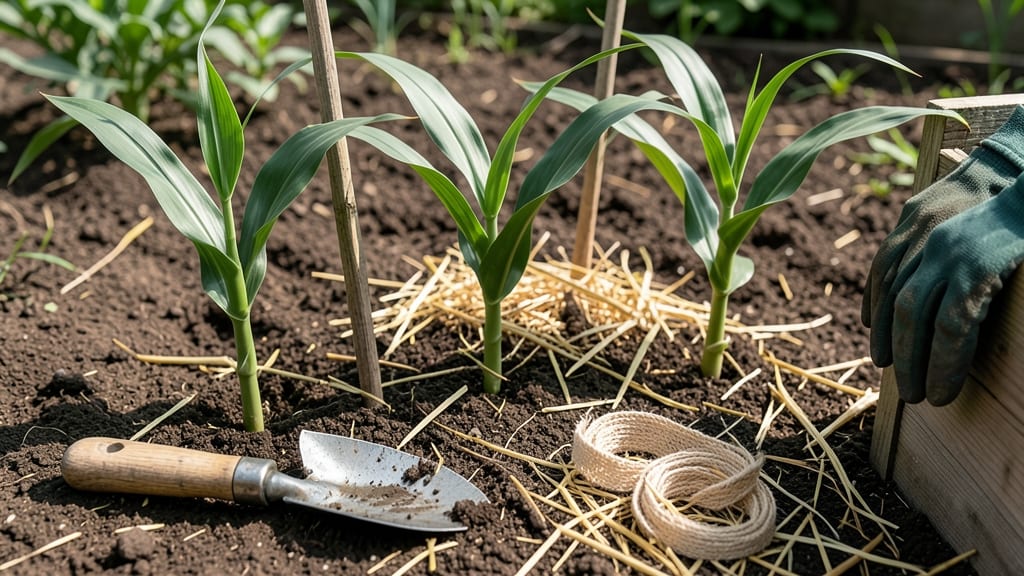
Planting corn in Ohio isn't just about sticking seeds in the dirt—it's about timing them perfectly to beat frost, boost yields, and grow sweet, sturdy stalks that thrive in your 6a zone. Get the window wrong, and you might end up with stunted plants or worse, a total flop.
The ideal planting window—mid-April to late May—balances soil warmth and frost risk, but Ohio’s unpredictable spring can throw off even the best-laid plans.
Here’s the secret: success starts with knowing your last frost date and soil temperature. Corn needs consistent warmth—at least 50°F—to germinate, and planting too early can leave your crop vulnerable to cold snaps.
Whether you’re in the southwest or northeast of the state, the right timing makes all the difference between a bountiful harvest and a disappointing one.
In this guide, I’ll break down the exact planting dates, soil prep tips, and variety choices that work best for Ohio’s climate. You’ll learn how to read your soil, pick the right 🌽 varieties, and avoid common mistakes that sabotage even the most eager gardeners.
Ready to grow corn like a pro?
Let’s dive into the science-backed strategies that’ll help you plant corn at the perfect moment—so you can enjoy fresh, homegrown ears from July to September.
Ohio corn planting calendar: best dates by region and frost risk
Ohio’s corn planting window is narrow but critical—plant too early, and frost will kill tender seedlings; too late, and you’ll miss the 120-day growing season before fall frosts.
The ideal time is after your average last frost date (typically mid-April in southern Ohio to late April in the north) and when soil temperatures hit 50°F at 1-inch depth for germination.
Southern Ohio (e.g., Cincinnati, Columbus) has earlier frost-free dates (late March to early April), while northern areas (e.g., Cleveland, Toledo) often wait until mid-April. Use the USDA Plant Hardiness Zone 6a as a baseline, but local microclimates matter more—urban areas warm faster than rural fields.
Here’s how to align your planting with Ohio’s regional frost risks and soil readiness. The comparison table below breaks down the best planting windows by region, plus key soil temperature thresholds to avoid common mistakes like seed rot or poor pollination.
| Region | Last Frost Date | Ideal Planting Window | Soil Temp Threshold | Key Risks |
|---|---|---|---|---|
| Southwest Ohio (e.g., Dayton, Cincinnati) | Late March – Early April | Mid-April to early May | 50°F+ at 1" depth | Late frosts, drought stress |
| Central Ohio (e.g., Columbus, Mansfield) | Early to mid-April | Late April to mid-May | 50°F+ at 1" depth | Unpredictable spring swings |
| Northeast Ohio (e.g., Cleveland, Akron) | Mid-April | Late April to early May | 55°F+ at 1" depth | Cool soils delay germination |
| Northwest Ohio (e.g., Toledo, Lima) | Early to mid-April | Late April to early May | 50°F+ at 1" depth | Flooding risk in low areas |
Pro tip: Use a soil thermometer to confirm readiness—corn seeds won’t sprout until soil hits 50°F. In colder years, opt for early-maturing varieties (e.g., 70–90 days to harvest) to avoid fall frosts.
Planting too late can also reduce ear size and sweetness, so aim for 60–75 days before your first frost.
Ohio’s short growing season (about 165 frost-free days) demands precision. If you’re in a Zone 6a area with late springs, consider starter fertilizers or row covers to jumpstart growth.
Just avoid planting before April 15 unless you’re in the far south—early starts often lead to frost damage or stunted plants.
For maximum yield, stagger plantings in 2-week intervals to extend your harvest window. This works especially well for sweet corn, where freshness matters. For example, plant half your seeds in late April and the rest in early May to ensure a steady supply of buttery, tender ears.
Watch for unpredictable weather patterns—Ohio’s spring can swing from 60°F to 30°F in a week. Use local weather forecasts and historical data from the Ohio State University Extension to fine-tune your schedule. Their Frost Free Date Maps are a gardener’s best friend for avoiding costly mistakes.
Remember: Corn thrives on warmth, so don’t rush. If your soil is cold or wet, wait—seed rot is a common killer of young corn. Once planted, maintain consistent moisture (1–2 inches per week) and full sun for robust stalks and plump ears.
Timing isn’t just about dates—it’s about soil, weather, and variety. Next, we’ll dive into field-tested signs that your Ohio soil is truly ready for corn, beyond just checking a calendar.
Signs your Ohio soil is ready for corn (beyond just the calendar)
Ohio’s soil temperature and moisture levels matter just as much as the calendar when planting corn. Cold, wet soil can delay germination or even rot seeds before they sprout. Here’s how to tell if your soil is truly ready for planting—without guessing based on dates alone.
First, check the soil temperature at a depth of 1 inch. Corn seeds need soil that’s at least 50°F (10°C) for germination, but 60°F (15°C) is ideal. Use a soil thermometer for accuracy—especially in Ohio’s variable spring, where mornings can still feel chilly even if afternoons warm up.
Next, look for natural indicators like blooming daffodils or crocuses, which signal that frost risk has passed in most of Ohio. Another clue? Earthworms become active in warmed soil—dig a small hole and check for their presence. If you spot them, your soil is likely ready.
🌱