
Plants
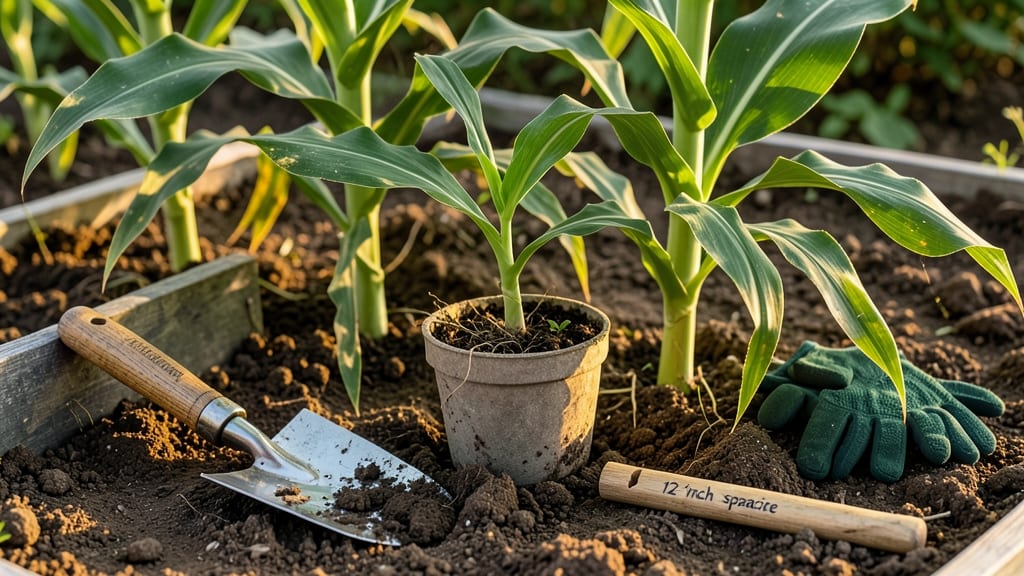
Timing your corn planting in Zone 6a can make or break your harvest—get it wrong, and you might end up with stunted 🌽 or worse. The key is planting after the last frost, when soil temperatures consistently stay above 50°F, usually between mid-April and early May.
Why does this matter? Corn thrives in warm soil, and planting too early risks frost damage or slow germination. I’ll show you exactly how to time it right, whether you’re growing sweet corn or dent varieties, and how to adjust for unpredictable springs.
You’ll also discover the best weeks before last frost for peak yield, plus common mistakes that even experienced gardeners make. Let’s turn your corn patch into a thriving garden this season!
From soil prep to succession planting, I’ve got you covered with actionable tips tailored for Zone 6a’s climate. Ready to grow the best corn you’ve ever had?
Optimal corn planting weeks before last frost in Zone 6A
In Zone 6A, timing your corn planting is all about balancing soil warmth and frost risk. The ideal window is 1-2 weeks before your last frost date, typically mid-April to early May.
This ensures seeds germinate quickly in 50-60°F soil while avoiding late frosts that can kill tender seedlings.
For most of Zone 6A, the average last frost date falls around April 15. Planting 2 weeks before (early April) gives seeds time to establish roots before summer heat arrives.
However, if your spring is unusually cold, wait until soil reaches 55°F—corn seeds won’t sprout below 50°F.
Here’s the key: Direct sowing is best for corn—transplants struggle with root shock. Use black plastic mulch to warm soil faster if your spring runs late. This trick can push your planting window 1-2 weeks earlier in cooler microclimates.
🌽
Zone 6A Corn Planting Timeline
| Stage | Action | Soil Temp | Notes |
|---|---|---|---|
| 1-2 Weeks Before Last Frost | Prepare soil: till to 12" deep, add compost | 45-50°F | Test pH (6.0-7.0 ideal) |
| Week of Last Frost | Plant seeds 1" deep, 4-6" apart in blocks | 50-55°F | Use black plastic mulch for warmth |
| 2 Weeks After Planting | Thin seedlings to 12" apart; fertilize lightly | 60°F+ | Remove weakest plants first |
| 6-8 Weeks After Planting | Watch for tasseling (pollination stage) | 70°F+ | Hand-pollinate if needed (shake plants) |
| 10-12 Weeks After Planting | Harvest when silks turn brown | Varies | Morning harvest preserves sweetness |
Regional variations matter in Zone 6A. Areas like western Pennsylvania or northern Ohio may need to wait until late April due to cooler soils, while southern Indiana can plant as early as early April. Check your microclimate—low spots stay colder longer, delaying planting by 1-2 weeks.
Pro tip: Use a soil thermometer to confirm readiness. Corn seeds won’t germinate below 50°F, and waiting until 55°F speeds up growth. If your soil is still cold by mid-May, consider succession planting with faster-maturing varieties.
For direct sowing, plant seeds in blocks (not rows) to improve pollination. Space blocks 2-3 feet apart and plant 3-4 seeds per hill. Thin to the strongest seedling once sprouts reach 6 inches tall. This method boosts yield by 20-30% compared to single rows.
💧
One common mistake is planting too early in hopes of an extended harvest. If seeds sprout but hit 32°F frost, they’ll die back. Instead, focus on soil temperature—corn needs consistent warmth to thrive.
If your spring is unpredictable, opt for bicolor or supersweet varieties, which mature 10-15 days faster than standard sweet corn.
Finally, don’t forget succession planting. In Zone 6A, you can stagger plantings every 2 weeks from April to June to enjoy fresh corn from July through September. Just ensure your last planting has 90+ frost-free days to mature.
Optimal corn planting weeks before last frost in Zone 6A
In Zone 6A, your corn seeds should hit the soil 1-2 weeks before your last expected frost date. For most of this zone, that lands between mid-April and early May, but timing varies by microclimate and elevation.
Corn is sensitive to cold soil—wait until soil temperatures reach 60°F at least 1 inch deep, or germination will stall.
Direct sowing is the best method for corn since it dislikes transplanting. If you're using starter plants, harden them off first and plant them 2 weeks after your last frost when soil is warm.
Cold soil can cause root rot or slow growth, so always test with a soil thermometer.
Here’s a quick reference for your planting schedule in Zone 6A:
| Stage | Action | Zone 6A Timeline |
|---|---|---|
| Soil Prep | Test soil pH (6.0-7.0), add compost | Late March - Early April |
| Planting Window | Direct sow seeds 1" deep, 4-6" apart | Mid-April - Early May |
| Soil Temp Check | Must be 60°F+ at 1" depth | Before planting |
| Succession Planting | Repeat every 2 weeks for continuous harvest | Through early June |
If you live in a cooler microclimate within Zone 6A, like higher elevations, push planting to late April or early May. Conversely, in warmer pockets, you might start as early as late March if soil warms early.
Always monitor frost forecasts—corn can survive light frosts as seedlings but will die if frost hits after emergence.
For succession planting, stagger your corn every 2 weeks through early June. This ensures a steady harvest and prevents all your ears from ripening at once. Just remember: corn needs space—plant in blocks or hills, not single rows, to improve pollination and yield.
Pro tip: Use black plastic mulch to warm soil faster and suppress weeds. This can shave 1-2 weeks off your planting timeline in cooler springs. Just remove it once plants reach 6 inches tall to avoid overheating roots.