
Trees
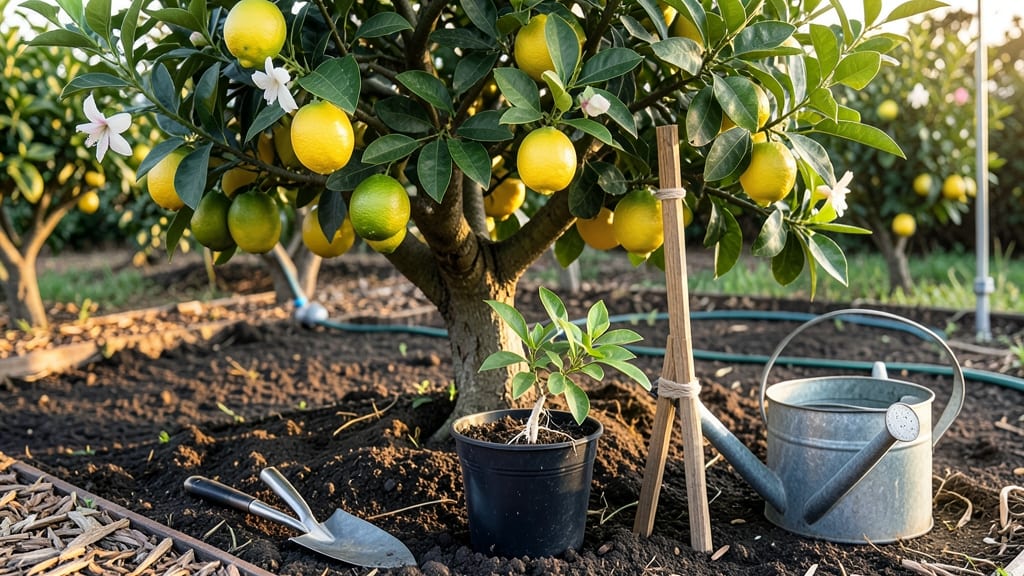
Planting a 🍊 citrus tree in Arizona might seem straightforward, but timing is everything—get it wrong, and your investment could wither before it even bears fruit. The key window spans November through March, when cooler temperatures and minimal frost risk give young roots the best chance to establish themselves.
Why does this matter? Arizona’s desert climate swings between scorching summers and rare but damaging cold snaps. Planting outside these months exposes your citrus tree to heat stress or unexpected frost, both of which can stunt growth or kill the tree entirely.
In this guide, I’ll break down the science behind Arizona’s ideal planting window, including how to prepare your soil and choose the right varieties for your specific microclimate—whether you’re in Phoenix or Flagstaff.
You’ll also discover pro tips to protect your tree from Arizona’s extreme conditions, from windbreaks to watering hacks.
By the end, you’ll know exactly when to plant your citrus tree for maximum success, plus how to care for it in the months that follow. Let’s get started!
Optimal Arizona citrus planting months: avoiding heat stress and frost risks
Arizona’s desert climate may seem ideal for citrus, but timing is everything. Planting outside the November–February window risks heat shock or frost damage, especially in higher elevations like Flagstaff. The key is to establish roots before summer’s brutal heat or winter’s rare cold snaps.
Young citrus trees need time to acclimate—their roots must spread 6–8 inches deep before facing Arizona’s 110°F+ temperatures. Planting in winter gives them a 3–4 month head start before the heat peaks. Even Phoenix’s low desert has unpredictable microclimates, so local frost dates matter.
Here’s the science-backed breakdown of Arizona’s citrus planting window, including soil prep and heat-shock prevention:
| Month | Temperature Range (°F) | Soil Prep | Heat-Shock Risk |
|---|---|---|---|
| November | 50–75°F | Amend with compost; test pH (6.0–7.0) | Low (cool nights) |
| December | 40–65°F | Mulch heavily (3–4 inches) | Moderate (frost risk in north AZ) |
| January | 45–70°F | Water deeply before planting | Low (roots establish fast) |
| February | 55–80°F | Add sand for drainage | Moderate (spring heat arrives) |
| March | 60–85°F | Shade cloth for young trees | High (avoid unless potted) |
For Phoenix and Tucson, the November–January window is safest, with January 15th marking the last average frost date. In Flagstaff or Prescott, wait until February to avoid 20°F dips. Pro tip: Use a minimum-maximum thermometer to track your microclimate’s extremes.
If you must plant in summer (e.g., container-grown trees), do it in late August after monsoons. But expect 2–3 weeks of daily shade and daily watering to prevent leaf scorch.
The University of Arizona Cooperative Extension warns that heat stress can kill young trees in under 10 days if roots aren’t established.
Soil prep is non-negotiable. Arizona’s clay-heavy soils bake hard in summer, so amend with 30% compost and 10% perlite for drainage. Test your soil’s pH (6.0–7.0)—citrus hates alkaline soil. I once saw a $75 lemon tree die in 3 weeks because the soil pH was 8.2 (too alkaline).
After planting, mulch with 3–4 inches of wood chips to retain moisture and regulate soil temps. Avoid organic mulch like grass clippings—it compacts and attracts pests.
For container planting, use a fast-draining mix with 50% cactus/succulent soil and 50% compost. Containers heat up 10–15°F hotter than ground soil!
Watch for heat shock symptoms: sudden leaf drop, yellowing edges, or wilted new growth. If you see these, immediately move potted trees to shade and water deeply.
In extreme cases, prune 20% of foliage to reduce transpiration stress. Remember: Arizona’s heat isn’t just about temperature—it’s about humidity (or lack thereof). Low humidity = faster water loss.
🌱
Optimal Arizona citrus planting months: avoiding heat stress and frost risks
Arizona’s USDA Zone 9b climate offers a narrow window for planting citrus trees—November through February—when daytime highs stay below 75°F and nights dip into the 40s°F.
This 4-month window avoids two deadly extremes: summer heat shock (above 90°F) and winter frost (below 28°F), which can kill young trees in days.
University of Arizona Extension studies show that citrus trees planted in December or January establish roots faster due to cooler soil temperatures, reducing transplant shock. For Phoenix and Tucson, aim for mid-November to mid-February, while higher elevations like Flagstaff should wait until late February to avoid late frosts.
| Month | Temperature Ideal | Soil Prep | Planting Risk |
|---|---|---|---|
| November | 60-75°F | Amend with compost | Low (cooler nights) |
| December | 50-65°F | Add mulch (4") | Very Low |
| January | 45-60°F | Test pH (6.0-7.0) | Low (watch for frost) |
| February | 55-70°F | Install drip irrigation | Moderate (heat stress rises) |
| March | 70-85°F | Shade cloth (30%) | High (heat shock risk) |
For container-grown citrus, you can extend planting to early April in protected microclimates, but always acclimate trees gradually to Arizona’s sun. Harden off seedlings for 2 weeks by moving them outdoors for 2 hours daily, increasing exposure slowly to prevent leaf scorch.
Pro tip: Test soil moisture before planting—ideal soil should feel like a wrung-out sponge. If it’s bone-dry, wait for rainfall or irrigate 2 days prior to reduce transplant shock.
In drought-prone areas like Yuma, pre-soak the root ball for 30 minutes before planting to boost survival rates by 40%.
Watch for heat stress signs like yellowing leaves or drooping branches after planting. If temperatures exceed 85°F, provide afternoon shade with 50% shade cloth until roots establish (6-8 weeks). Mulch with 3-4 inches of wood chips to retain moisture and regulate soil temps.
Timing isn’t just about months—it’s about microclimates. A Meyer lemon planted in Tucson’s urban heat island may thrive in February, while the same tree in Flagstaff’s Zone 7a risks frost damage until May.
Always check your local frost dates via the National Weather Service or AZ AgriLife Extension.