
Trees
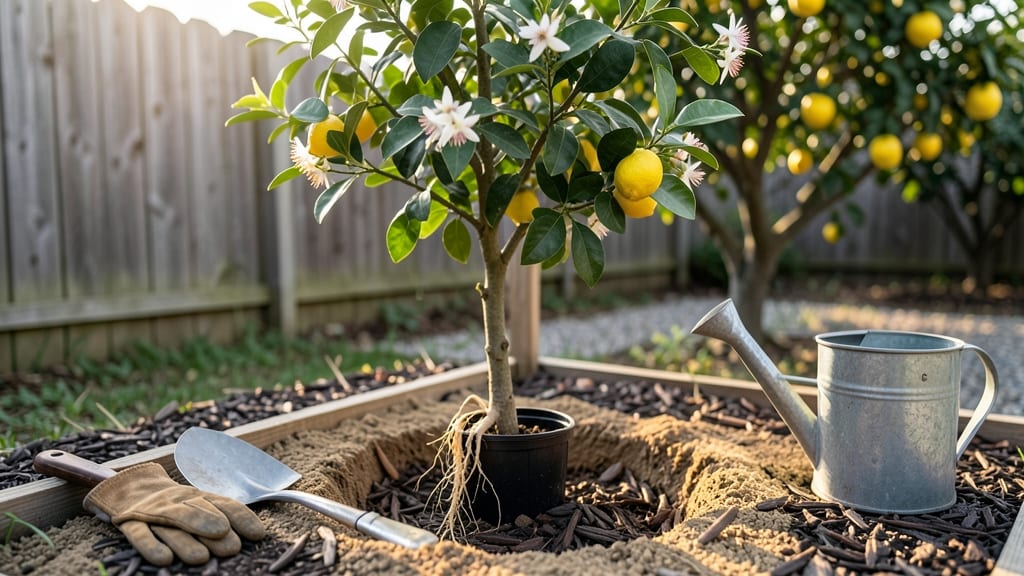
Planting citrus trees 🍊 in Louisiana at the wrong time can mean the difference between a thriving grove and struggling saplings that never recover.
The key is getting them in the ground just as the last frost passes—typically by mid-February to March—when soil temperatures hit that sweet spot for root growth.
Here's the problem: too many gardeners wait until summer, only to watch their citrus trees wilt under Louisiana's brutal heat and humidity. But timing isn't just about months—it's about understanding your specific heat zone (8a-9b) and preparing the soil properly for those subtropical conditions.
In this guide, I'll walk you through the exact planting window for your Louisiana location, whether you're working with container-grown trees or bare-root stock.
You'll learn how to create the perfect planting environment, protect against late frosts, and give your citrus trees the best chance to establish strong roots before summer arrives.
Get ready to transform your yard into a productive citrus grove—without the guesswork. Let's make sure your trees grow healthy, strong, and ready to bear fruit for years to come.
Best planting months for citrus trees in Louisiana’s heat zones
Louisiana’s USDA hardiness zones 8a-9b create a tricky balance for citrus trees—too early and frost zaps tender roots, too late and summer heat stresses young plants.
The ideal window spans late February through April, but your exact timing depends on whether you’re in North Louisiana (8a) or South Louisiana (9b). I’ll break down the best months for each zone, including soil temperature cues and transplanting tips for container-grown vs. bare-root trees.
For Zone 8a (northern LA), aim for March 1-15 after the last frost date—typically around February 15. Soil temperatures should hit 60°F+ at 4 inches deep.
In Zone 9b (southern LA), you can plant as early as February 15, but avoid late April when humidity spikes and fungal risks rise. Container-grown trees adapt better to late starts than bare-root varieties.
🌱
| Zone | Ideal Planting Window | Soil Temp Requirement | Transplanting Tip |
|---|---|---|---|
| 8a (North LA) | March 1-15 | 60°F+ at 4" | Acclimate container trees 1 week before transplanting |
| 8b (Central LA) | February 28-March 31 | 55°F+ at 4" | Use frost cloth for first 2 weeks |
| 9a (South LA) | February 15-March 15 | 50°F+ at 4" | Bare-root trees need 24-hour watering after planting |
| 9b (Southeast LA) | January 15-February 28 | 45°F+ at 4" | Mulch heavily to retain moisture |
Bare-root trees need immediate watering after planting to prevent transplant shock, while container-grown trees benefit from a 7-day acclimation period in partial shade before full sun exposure. In Zone 9b, you can even plant as late as May for dwarf varieties, but expect delayed fruiting by 1-2 years.
Always check your local cooperative extension service for microclimate adjustments—some areas like Shreveport run 2 weeks later than New Orleans.
If you miss the spring window, fall planting (October-November) is possible in Zone 9b only, but young trees may struggle with hurricane winds before establishing roots. Container-grown trees handle fall transplants better than bare-root stock. For Zone 8a, fall planting is not recommended due to frost risk.
Pro tip: Use a soil thermometer to confirm temperatures—citrus roots won’t establish well below 60°F. In Zone 8a, wait until nighttime lows stay above 40°F consistently. For container growers, larger pots (15+ gallons) buffer temperature swings and extend your planting window by 2-3 weeks.
🌿
After planting, focus on root zone hydration—deep watering every 3-5 days prevents stress. In Zone 9b, where summer heat arrives early, shade young trees with 50% shade cloth for the first 6-8 weeks to reduce transpiration.
Mulch with 3-4 inches of pine bark to maintain even moisture and suppress weeds, which compete for water during Louisiana’s humid summers.
One common mistake I see is planting citrus trees in low-lying areas where cold air pools—this can cause root rot from poor drainage or frost damage in Zone 8a. Always choose a slightly elevated site with full sun exposure (6+ hours daily).
In Zone 9b, where humidity is extreme, prune lower branches to improve airflow and reduce fungal diseases like citrus greening.
For container citrus, dwarf varieties like 'Calamondin' or 'Meyer Lemon' thrive in 15-gallon pots and can be moved indoors during Zone 8a winters. Just remember: potted trees need 2x the water of in-ground plants during Louisiana’s 90°F+ summers.
Use a moisture meter to avoid overwatering—citrus roots rot quickly in anaerobic conditions.
✂️
Critical pre-planting preparations for Louisiana citrus success
Louisiana’s humid subtropical climate demands extra prep work before planting citrus trees. The wrong soil or site can lead to root rot or poor fruit production. Start by testing your soil’s pH level—citrus thrives in acidic soil (5.5-6.5).
If your soil is too alkaline, amend it with elemental sulfur or peat moss months before planting.
Next, choose a sun-drenched location with 6-8 hours of sunlight daily. Avoid low-lying areas where cold air pools during rare frosts. Louisiana’s nematode-prone soils also require extra care—mix in sand or perlite to improve drainage and reduce disease risk.
If planting bare-root trees, soak roots in water for 2-4 hours before transplanting. For container-grown trees, avoid disturbing the root ball—simply remove the pot and set it in the hole. Hardening off nursery trees is crucial: Gradually expose them to outdoor conditions over 7-10 days before final planting.
Mulch around the base with 2-3 inches of organic mulch (like pine straw) to retain moisture and regulate soil temperature. Keep mulch 6 inches away from the trunk to prevent rot. In cooler zones (8a), consider wrapping the trunk with burlap or frost cloth during unexpected cold snaps.
Finally, water deeply the day before planting to reduce transplant shock. Use a mycorrhizal fungi inoculant to boost root growth—this is especially helpful in Louisiana’s heavy clay soils. With these steps, your citrus trees will establish roots quickly and thrive through Louisiana’s long, hot summers.
Don’t skip soil testing—it’s the #1 mistake Louisiana gardeners make. A simple test kit costs $20 and saves your entire grove from failure.