
Plants
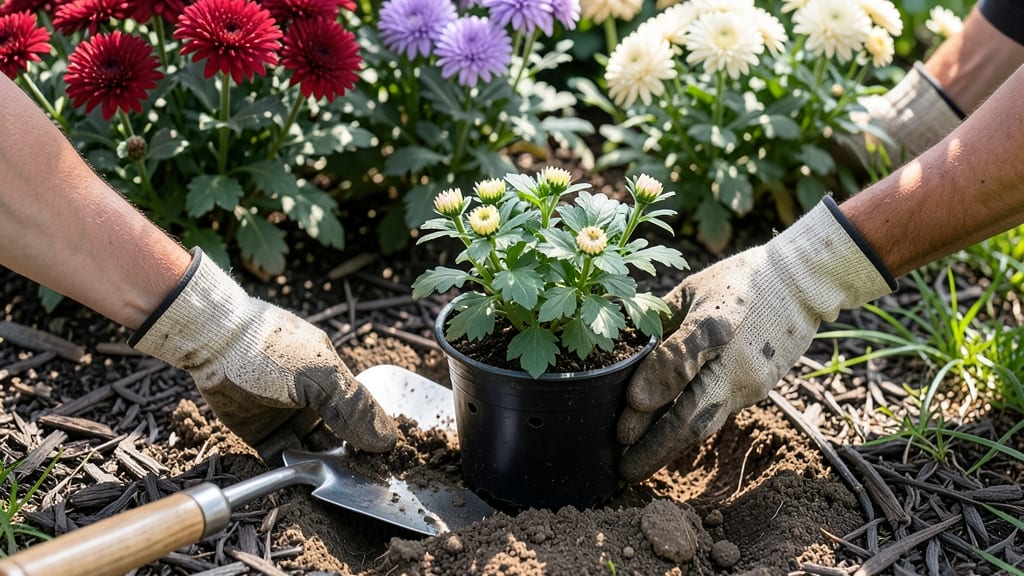
When to plant chrysanthemums in the fall is the key to unlocking a garden that bursts with color from September through November. Timing these plants just right means the difference between a show-stopping display and frost-nipped disappointment. Plant too early, and your blooms may stretch leggy; too late, and winter steals their chance to shine. The 8- to 12-week pre-frost rule is your secret weapon for vibrant fall color that lasts. Most gardeners assume "fall planting" means waiting until September, but the best time actually depends on your hardiness zone. In cooler climates like USDA Zone 5, you might start as early as mid-August, while Zone 8 gardeners can wait until late September. This window ensures your chrysanthemums mature before the first frost while still getting enough daylight to develop strong stems and buds. What makes this timing so crucial? Chrysanthemums need 60-90 days of growth to reach their full potential, but they also require 12-14 hours of daylight to trigger blooming. Plant too late, and shorter days can delay—or even prevent—those gorgeous flowers from opening. The good news? With the right approach, you can adjust planting dates to get blooms in September, October, or even November. Ready to transform your garden into a fall masterpiece? I’ll walk you through exactly how to calculate your perfect planting window, plus pro tips for soil prep and spacing that’ll keep your chrysanthemums thriving. Let’s get those blooms on schedule!
The 8- to 12-Week pre-frost planting window explained
Timing your chrysanthemum planting is everything—get it wrong, and you’ll miss the fall color show entirely. The 8- to 12-week pre-frost rule ensures your blooms open just as summer fades, not before frost nips them.
This window accounts for variety maturity (some bloom in 60 days, others need 90+ days) and your local frost date.
Start by checking your USDA hardiness zone. For example, gardeners in Zone 5 (average first frost: October 15) should plant mid-July to early August for late September blooms. In Zone 9 (first frost: December 1), you’ve got flexibility—plant August through September for a longer display.
Use this simple formula: First frost date – Days to maturity = Planting window. For a 75-day variety in Zone 6 (first frost: October 25), subtract 75 days to land on early August.
| Zone | Avg. First Frost | 75-Day Variety Planting | 90-Day Variety Planting |
|---|---|---|---|
| Zone 3-4 | Oct 5 | Late July | Early July |
| Zone 5-6 | Oct 15 | Early August | Mid-July |
| Zone 7-8 | Nov 1 | Mid-August | Late July |
| Zone 9-10 | Dec 1 | August-Sept | July-August |
Pro tip: Early bloomers (like 'Bonanza Yellow') thrive with longer daylight, so plant them 8-10 weeks before frost. Late-season varieties (e.g., 'Dakota Gold') need 10-12 weeks to harden off. Adjust by 1-2 weeks if your fall is unusually warm or cool.
For container gardeners, the rule still applies—just account for smaller root zones. Potted chrysanthemums may need 1-2 extra weeks to establish before frost. Use heat-tolerant varieties like 'Mega Bloom' to push your planting window later.
Don’t forget to acclimate plants 1 week before moving them outdoors. Harden them off gradually by exposing them to morning sun first, then full sun. This reduces transplant shock and ensures steady growth.
If you’re in Zone 4 or colder, consider starting seeds indoors 10-12 weeks before your last frost date. This gives you a head start on the 8- to 12-week window and maximizes bloom time before winter sets in.
For extended-season blooms, stagger your planting: start with early varieties in July, then add mid-season types in August. This creates a continuous color display from September through November.
Always check your local frost dates—they can vary by 1-2 weeks even within the same zone. Use resources like the Old Farmer’s Almanac or your cooperative extension service for precise data.
Finally, soil temperature matters. Chrysanthemums prefer 55-65°F soil. If your ground is still warm (70°F+), delay planting until temps drop to avoid heat stress.
How to adjust planting for early, mid, and late fall blooms
Want your chrysanthemums to bloom in September, peak in October, or defy frost in November? The secret lies in strategic planting. Most gardeners default to mid-fall planting, but adjusting your timeline by just a few weeks can transform your garden’s seasonal display.
For early blooms, plant 12 weeks before your first frost date—this gives varieties like 'Bright Golden Anne' time to mature quickly. For late-season color, plant 8 weeks before frost to stretch blooms into colder months.
Light manipulation also plays a role. Chrysanthemums are short-day plants, meaning they need 12 hours of darkness daily to trigger blooming. In September, natural daylight is still long, so cover plants with black fabric for 6–8 hours after sunset to mimic shorter days. This trick works wonders for forcing October blooms even in warm climates. Just
Here’s how to match your planting window to your goals:
Pro tip: If you’re in a warmer climate (Zones 8–10), you can plant as late as October for winter blooms. Just mulch heavily to protect roots from freezing temperatures. And don’t forget—deadheading spent blooms encourages new flowers, extending your display even longer.
Timing isn’t just about dates; it’s about balancing variety, light control, and climate. Experiment with these strategies to create a nonstop chrysanthemum show from early fall to frost. Your neighbors will be jealous of your extended-season color! 🌻