
Plants
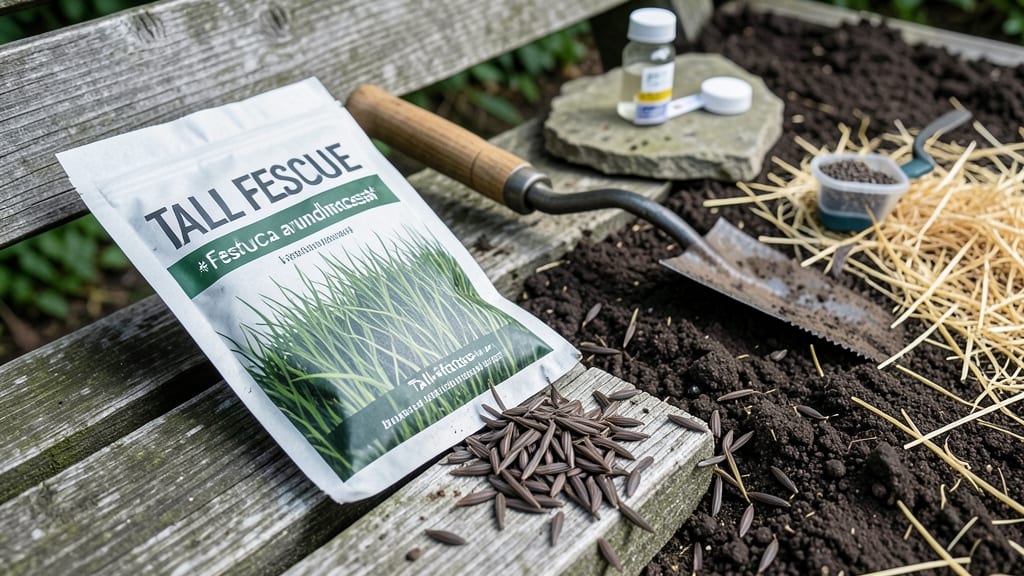
Planting grass seed in the fall isn’t just smart—it’s your best shot at a lush, resilient lawn. When you time it right, you’ll beat the heat and outpace weeds, giving your grass a head start before winter sets in. The key? Knowing exactly when to act in your zone, whether you’re in the chilly north or milder southern regions.
Most gardeners in USDA Zone 6a (like me!) aim to plant 4-6 weeks before the first frost, typically between mid-September and early October. This window ensures seeds germinate in warm soil but have time to establish roots before cold weather slows growth.
Skip the guesswork—this is when nature and science align for perfect conditions.
Why does fall work so well? Cooler temps reduce stress on young grass, while fewer weeds compete for nutrients. But wait—plant too late, and frost can nip seedlings in the bud.
I’ll show you how to read your soil and climate like a pro, so you avoid costly mistakes and get a lawn that’s the envy of the neighborhood.
Ready to transform your patchy yard into thick, green perfection? Let’s dive into the exact steps, from soil prep to frost-proofing, so your grass seed thrives—no matter what Mother Nature throws your way.
Best fall planting windows by climate zone: weeks before frost for success
Fall is the best time to plant grass seed because cooler temperatures and increased rainfall create perfect germination conditions. But timing is everything—plant too early or too late, and your lawn could struggle.
The ideal window is 4-6 weeks before the first frost, when soil temps hover between 50-65°F.
In Northern climates (USDA Zones 3-5), aim for late August to mid-October. Southern regions (Zones 7-10) have more flexibility, with September to November being ideal. Transition zones (6-7) should plant early September to early October to avoid early frosts.
Here’s why fall planting works: Cooler air reduces water evaporation, weeds are less aggressive, and grass seeds establish deep roots before winter dormancy. Miss this window, and you risk weak seedlings or frost damage before roots take hold.
🌱 Fall Grass Seed Planting Windows by Climate Zone
| Zone | Ideal Planting Window | Soil Temp (°F) | Weeks Before Frost |
|---|---|---|---|
| Northern (3-5) | Late August–Mid-October | 50-60°F | 4-6 |
| Transition (6-7) | Early September–Early October | 55-65°F | 5-7 |
| Southern (8-10) | September–November | 60-70°F | 6-8 |
⚠️ Pro Tip: Check your local frost date and count backward to pinpoint your perfect planting window.
For Northern gardeners, late September is often the sweet spot—cool enough for germination but warm enough to avoid early frost risks. In Southern climates, you can push planting later, but aim to finish by mid-November to allow roots to harden before winter.
Soil temperature is critical. Use a soil thermometer to confirm temps are in the 50-65°F range. If your soil is too cold, germination slows; if too warm, seeds may dry out before sprouting. Morning soil temps are the best indicator.
Regional microclimates matter too. If you live in a valley or low-lying area, frost arrives earlier than higher elevations. Adjust your planting window accordingly—earlier for valleys, later for hills. Always check local weather forecasts for 10-day temperature trends.
Once you’ve nailed the planting window, focus on soil prep. Loosen soil to 3-4 inches deep, remove debris, and level the area. Lightly rake to create a fine seedbed—this ensures good seed-to-soil contact for faster germination. Don’t skip this step—compacted soil = poor root growth.
After planting, water deeply (1 inch) to settle seeds into the soil. Keep the area moist but not soggy for the first 2-3 weeks. A light mulch (like straw) helps retain moisture and insulate seeds from temperature swings. Avoid heavy mulch, which can smother seedlings.
With the right timing, your fall-planted grass will emerge lush and dense by spring—outperforming spring plantings by up to 30%. The key? Plant in that 4-6 week window before frost, and your lawn will thank you for years to come. 🌱
Signs your fall grass seed planting timing is perfect (or terrible)
Planting grass seed in the fall gives you a head start on next year’s lawn—but only if you time it right. Ideal conditions include soil temps between 50-65°F and 4-6 weeks before frost.
If you miss this window, your seedlings may struggle to establish roots before winter dormancy. Let’s break down the key indicators that tell you whether you’ve nailed your timing or need to adjust.
First, check your soil temperature. Use a soil thermometer to confirm it’s in the 50-65°F range. Cooler soils slow germination, while warmer soils can cause seeds to sprout too quickly, leaving them vulnerable to frost.
If your soil is still above 70°F, wait—your seeds may dry out before roots take hold. Pro tip: Morning soil temps are the most accurate reading.
Next, observe weed competition. Fall planting often means fewer weeds, but if you see dense weed growth popping up, your timing might be off. Weeds thrive when grass seedlings are weak, so aim to plant when weeds are minimal but still active.
This usually happens in late September or early October in most regions. If weeds are already dormant or overgrown, you may have planted too early or too late.
Listen to your local weather trends. A hard frost warning within 4-6 weeks means it’s time to plant. If frost is predicted sooner, your seeds won’t have enough time to germinate and develop a strong root system.
Use your average first frost date as a guide—most gardeners plant 6 weeks before this date to stay safe. For example, in USDA Zone 6a, that’s typically mid-September.
Watch for seedling emergence. If you’ve planted correctly, you should see tiny green shoots within 7-21 days, depending on the grass type. Cool-season grasses like Kentucky bluegrass and fine fescue germinate faster in fall’s mild temps.
If you don’t see sprouts within 3 weeks, your seeds may be too deep, too dry, or planted at the wrong time.
Finally, assess moisture levels. Fall air is often crisp, but soil moisture is critical. Overwatering can wash seeds away, while underwatering leaves them dry and dormant. Aim for consistent, even moisture—about 1 inch of water per week, either from rain or irrigation.
If your soil feels dry 1 inch below the surface, it’s time to water. A light morning mist keeps seeds hydrated without encouraging fungal growth.
⚠️ Common Fall Planting Mistakes to Avoid
- Planting too early: Seeds may sprout, only to be killed by summer heat.
- Planting too late: Weak roots can’t survive winter frost.
- Skipping soil prep: Compacted or weedy soil strangles new growth.
- Using summer grass seed: Cool-season varieties thrive in fall.
- Ignoring frost dates: Always check your local first frost date.
These errors can turn your fall planting into a waste of time and money. Double-check your timing and conditions before you sow!
If you’ve checked all these signs and still feel unsure, don’t panic. Fall is forgiving compared to spring planting, and many gardeners adjust their timing based on weather surprises.
The key is to act quickly if conditions shift—whether that means adding mulch for extra protection or delaying planting until temps drop further. With the right approach, your fall grass seed will reward you with a thicker, greener lawn next spring.