
Plants
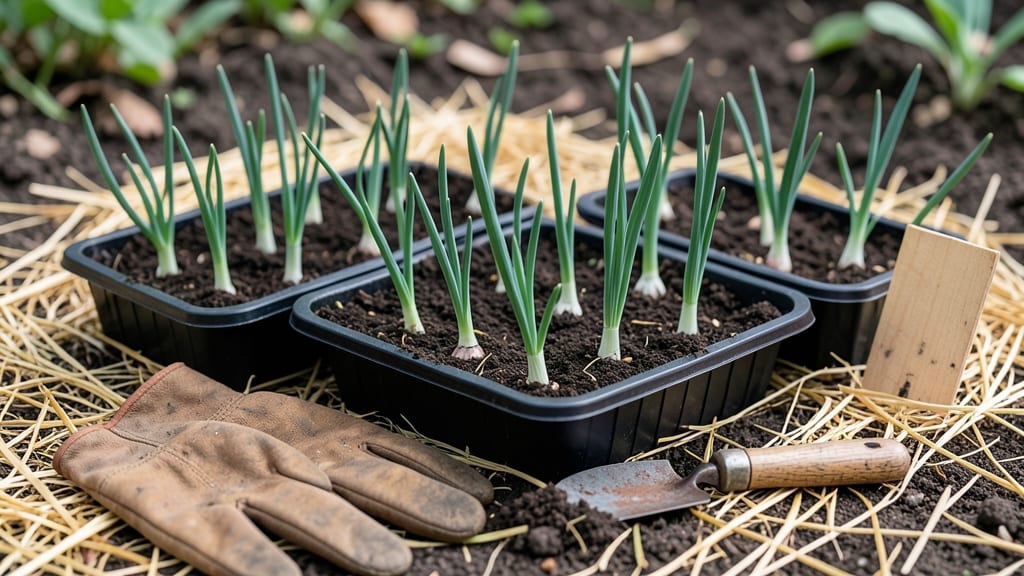
Planting onions in the fall is your golden ticket to a head-start harvest—but timing it wrong could mean frost-killed sprouts before they even emerge. Whether you're in Zone 6a or beyond, getting this right ensures your 🧅 bulbs survive winter and reward you with flavorful harvests next summer.
Most gardeners swear by the 4-6 week rule before your first frost date, but climate matters. In cooler regions, you might start as early as late August, while milder areas can wait until October. The key? Soil temps should dip but not freeze solid—think 40-50°F for ideal root growth.
I’ll walk you through the exact months for your zone, plus how to prep soil and choose the right onion varieties for winter survival. No more guessing games—just a foolproof plan to beat frost and grow bigger, sweeter bulbs.
Ready to turn fall planting into a zero-frost success story? Let’s dig in.
Fall onion planting calendar by USDA hardiness zones (with exact months)
Timing your fall onion planting is all about beating the first frost while giving your plants enough time to establish roots before winter dormancy. Onions planted too early may bolt, while those planted too late risk freezing before they mature.
The key is to aim for 4-6 weeks before your average first frost date, allowing bulbs to form before cold sets in.
Your USDA hardiness zone determines the perfect window—cooler northern zones (like Zones 3-5) have shorter growing seasons, while milder southern zones (like Zones 6-8) can plant later.
Even within the same zone, microclimates (like urban heat islands or sheltered valleys) can shift your ideal planting date by 1-2 weeks.
Use this calendar as your guide, but always double-check your local frost dates—they can vary yearly. For example, a Zone 5 gardener might plant in early October, while a Zone 8 gardener could wait until late November.
The goal is to have onions 1-2 inches in diameter before the ground freezes.
| USDA Zone | Ideal Planting Window | Frost Risk Threshold | Best Varieties |
|---|---|---|---|
| Zones 3-4 | Mid-August to early September | Ground freezes by late October | 'Candy', 'Sweet Spanish' (short-day types) |
| Zones 5-6 | Late August to mid-October | Ground freezes by mid-November | 'Texas Early White', 'Yellow Granex' |
| Zones 7-8 | September to early November | Ground freezes by December | 'Red Creole', 'Stuttgarter' (longer storage) |
| Zones 9-10 | October to November | Mild winters; no frost or late frosts | 'Texas Super Sweet', 'Cipollini' (shallots) |
🌡️ Pro Tip: Adjust for high-altitude areas (e.g., Denver) by planting 2 weeks earlier than zone guidelines.
If you're in a transition zone (like Zone 6b), err on the earlier side—better to plant too soon than too late.
Onions planted in September will have larger bulbs by harvest time compared to those planted in October, but they’ll also need more water to prevent bolting in warm fall weather.
For container gardening, follow the same zone guidelines but plant 1-2 weeks earlier—pots cool faster and are more exposed to frost. Use black plastic mulch or straw to insulate soil and extend your planting window by 10-14 days in colder zones.
Don’t forget to account for day-length sensitivity. Short-day onions (like 'Candy') need 10-12 hours of daylight to bulb properly, while long-day types (like 'Texas Early White') thrive in 14+ hours of light. Choose varieties suited to your region’s fall daylight hours.
If your area has unpredictable frosts, consider using a row cover or cold frame to protect young plants. This can push your planting window 2-3 weeks later without risking frost damage. Just remove the cover during the day to avoid overheating.
Finally, mark your calendar with your last frost date and count backward. For example, if your first frost is November 15, aim to plant by October 1 (6 weeks prior). This simple math ensures your onions have enough time to establish roots and start bulbing before winter slows growth.
Once you’ve nailed the timing, the next step is preparing your soil and choosing the right varieties—both critical for zero-frost survival. But first, let’s dive into the exact steps to time your planting for maximum success. 🧅
How to time fall onion planting for zero-frost survival (step-by-step guide)
Timing your fall onion planting isn’t just about counting back from frost dates—it’s about soil temperatures, root establishment, and climate quirks that vary by region.
I’ve planted onions in Zone 6a for years, and the difference between a thriving crop and a frost casualty often comes down to these 5 critical steps. Let’s break it down so you can plant with confidence.
First, check your average first frost date (find it via the USDA Plant Hardiness Zone Map or local extension office). Then, count back 4-6 weeks—this gives your onions time to sprout roots before winter sets in.
For example, if your frost hits November 15, aim to plant by late September to early October. But here’s the catch: soil temps matter more than calendar dates. Onions need 40-50°F soil to root properly—colder soils slow growth, while warmer soils risk frost damage.
🚨 (step list) BELOW 🚨
📋 Step-by-Step Fall Onion Planting Guide
- 📅 Step 1: Calculate Your Planting Window
Count back 4-6 weeks from your first frost date. Example: Frost on Nov 15? Plant by Oct 1-15. - 🌡️ Step 2: Test Soil Temperature
Use a soil thermometer—ideal temps are 40-50°F. If colder, delay planting. - 🪴 Step 3: Prep Your Soil
Amend with compost and well-draining soil. Onions hate soggy roots! - 🧅 Step 4: Choose Your Method
Sets (fastest), seedlings (slower), or seeds (longest). Sets are easiest for beginners. - ⏳ Step 5: Plant at the Right Depth
Sets: 1 inch deep, 4-6 inches apart. Seedlings: ½ inch deeper than pot depth. - 💧 Step 6: Water Deeply After Planting
Soak the soil to 12 inches deep—this encourages root growth before frost. - 🛡️ Step 7: Protect from Early Frost
Use row covers or straw mulch if temps dip below 32°F before roots establish.
Once you’ve nailed the timing, focus on soil prep. Onions thrive in loamy, well-draining soil with a pH of 6.0-7.0. Before planting, mix in 2-3 inches of compost and avoid fresh manure—it can cause bolt-y, bitter onions. If your soil is heavy clay, raise beds or add sand or perlite to improve drainage. Pro tip: Test your soil in early fall so you’re ready to amend before planting day.
After planting, watering strategy becomes your secret weapon. Onions need consistent moisture but hate soggy feet. Water deeply once a week (1 inch total) rather than light daily sprinkles. In late fall, reduce watering as growth slows—overwatering before frost can lead to rot.
Mulch with straw or leaves to insulate roots and retain moisture, but avoid piling mulch against the stems to prevent rot.
Finally, don’t overlook frost protection. Even if you’ve timed planting perfectly, a sudden cold snap can damage tender sprouts. Cover young plants with frost cloth or lightweight row covers if temps drop below 32°F before roots are established (usually after 4-6 weeks).
In Zone 5 or colder, consider planting hardier varieties like 'Candy' or 'Texas Early White'—they handle frost better than delicate types.
With these steps, your onions will survive winter and bulb up beautifully next summer. The key? Plan ahead, test your soil, and protect young plants. Soon, you’ll be harvesting homegrown onions that rival store-bought—without the guesswork! 🌱