
Plants
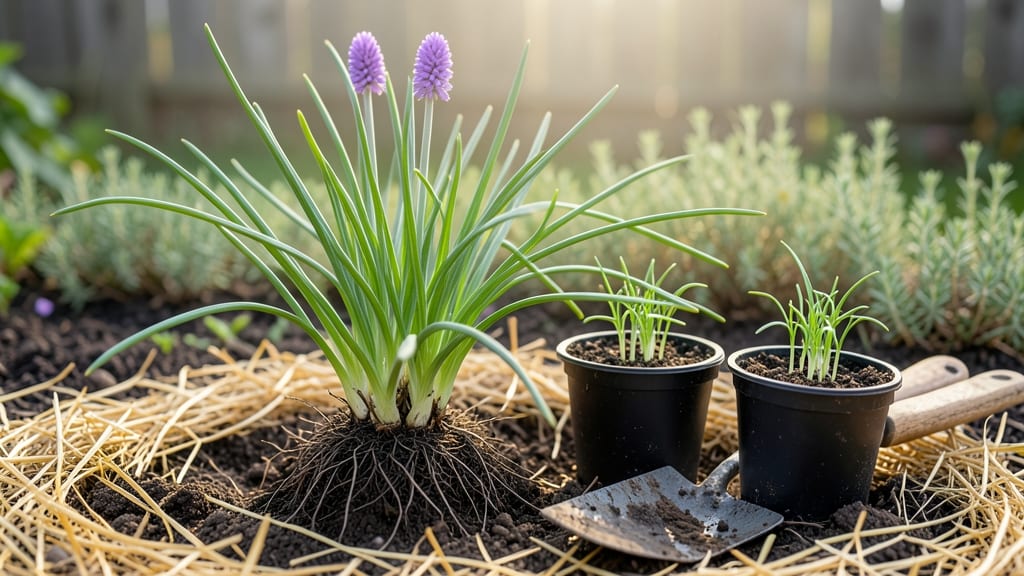
If you've ever planted chives in Texas only to watch them bolt into bitter flower stalks before you could even use them, you're not alone.
The key to avoiding this frustration lies in understanding the perfect planting windows for your specific zone—because what works in North Texas might fail spectacularly in South Texas heat.
I've grown chives 🌿 in Texas for years, and I've learned the hard way that timing matters more than most gardeners realize.
Plant them too early, and the cold snaps will shock them; too late, and the summer sun will send them racing toward flowers before you've had a chance to harvest. Let me show you exactly when to plant for zero-bolt success in your corner of the Lone Star State.
Whether you're in Zone 8a where frosts linger or Zone 10b where they barely touch, we'll break down the ideal months and why they work.
Plus, I'll share my top tricks for keeping your chives happy through Texas' brutal summers—so you can enjoy fresh snips all season long without the bitter aftertaste.
Ready to grow chives that stay tender and flavorful? Let's dive into the planting schedule that'll have you harvesting like a pro by spring—or fall, depending on when you start. The secret to success is in the timing, and I'm about to share it with you.
Texas chive planting calendar: month-by-month breakdown for zero bolting
Texas gardeners know chives thrive in our climate—but only if planted at the right time. The key to avoiding bitter bolting lies in understanding your USDA zone (8a-10b) and soil temperatures.
North Texas (Zone 8a) has earlier frosts, while South Texas (Zone 10b) stays warm year-round. Let's break down the ideal planting months to maximize growth and flavor.
Fall planting (September-November) is the gold standard for Texas chives. This gives plants time to establish roots before winter dormancy. Spring planting (February-March) works too, but summer heat can stress young plants. Avoid planting in June-August—Texas summers push chives into bolting mode faster than you can say "garlic scapes."
Soil temperature is your secret weapon. Chives need soil at 50°F (10°C) or warmer to germinate. In North Texas, wait until late September when soil cools slightly. South Texas gardeners can plant as early as August, but shade cloth helps prevent bolting.
Here’s your Texas chive planting calendar tailored to zones and seasons:
| Month | Zone 8a (North TX) | Zone 9a-10b (Central/South TX) | Soil Temp | Notes |
|---|---|---|---|---|
| September | ✅ Ideal | ✅ Ideal (earlier) | 55-75°F | Cool nights prevent bolting |
| October | ✅ Best | ✅ Best | 50-65°F | Root establishment before frost |
| November | ⚠️ Late | ✅ Still good | 45-60°F | Mulch heavily for winter |
| February | ✅ Best | ✅ Best | 55-70°F | Avoid if late frost risk |
| March | ✅ Good | ✅ Good | 60-75°F | Provide afternoon shade |
| June-August | ❌ Avoid | ❌ Avoid | 80°F+ | Bolting risk >90% |
For container gardening, adjust timing by 2-4 weeks earlier—pots heat up faster. South-facing balconies in Austin or Houston can plant chives in August with 50% shade cloth to prevent bolting.
Urban heat islands make micro-climates critical: if your yard feels like Zone 10b even in North Texas, follow South Texas timing.
Pro tip: Direct sow seeds ¼-inch deep, 6 inches apart. Transplants work too—just harden off nursery starts for 7-10 days before planting. The first harvest comes in 60-90 days, but flavor
Texas chive planting calendar: month-by-month breakdown for zero bolting
Texas's diverse climate zones—from Zone 8a in the Panhandle to Zone 10b in South Texas—mean chives thrive year-round if planted at the right time. The key is avoiding summer heat stress and winter frost damage, both of which trigger bitter bolting.
My fall planting window (September–November) is ideal for most Texans, but spring planting (February–March) works too.
Chives planted in late summer (August) can survive mild winters in Zone 10b, but they’ll bolt faster in Zone 8a. Meanwhile, spring plantings in March give chives time to establish before Texas’s brutal summer heat.
Let’s break it down by month to avoid those bitter, flowery stalks before harvest.
| Month | Zone 8a (North TX) | Zone 9a (Central TX) | Zone 10b (South TX) |
|---|---|---|---|
| January | ❄️ Plant if soil >50°F | ❄️ Plant or transplant | ❄️ Plant anytime |
| February | 🌱 Best planting month | 🌱 Best planting month | 🌱 Best planting month |
| March | 🌱 Last chance for spring | 🌱 Last chance for spring | ☀️ Avoid (too hot) |
| September | 🌱 Ideal fall planting | 🌱 Ideal fall planting | 🌱 Ideal fall planting |
| October | 🌱 Last fall planting | 🌱 Last fall planting | 🌱 Last fall planting |
| November | ❄️ Too cold for planting | ❄️ Too cold for planting | 🌱 Can plant in mild areas |
💡 Pro Tip: Test soil temperature with a soil thermometer—chives need 50°F+ to thrive.
In North Texas (Zone 8a), aim for September–October plantings to avoid winter frost (which can kill young plants). Meanwhile, South Texas (Zone 10b) gardeners can plant year-round, but summer heat (above 90°F) will stress chives, leading to bolting.
My Central Texas (Zone 9a) strategy? Plant in February–March for spring harvests or September for fall growth.
For container gardening, chives adapt well to pots but need well-draining soil and morning sun. In urban heat islands, provide afternoon shade in June–August to prevent bolting. Mulch with straw or leaves to keep roots cool—this is my secret weapon against Texas heat.
Remember: Chives planted in summer (April–July) will bolt within 4–6 weeks, ruining flavor. If you must plant then, use shade cloth (30–50%) and deep watering to delay flowering. But honestly? Fall or spring is your best bet for zero-bolt success.
Once established, chives self-seed and return yearly. My first harvest comes 60–90 days after planting, but fall plantings often yield faster in Texas’s cooler months. Snip leaves 2–3 inches from the base to encourage bushier growth—just don’t cut more than 1/3 of the plant at once.