
Plants
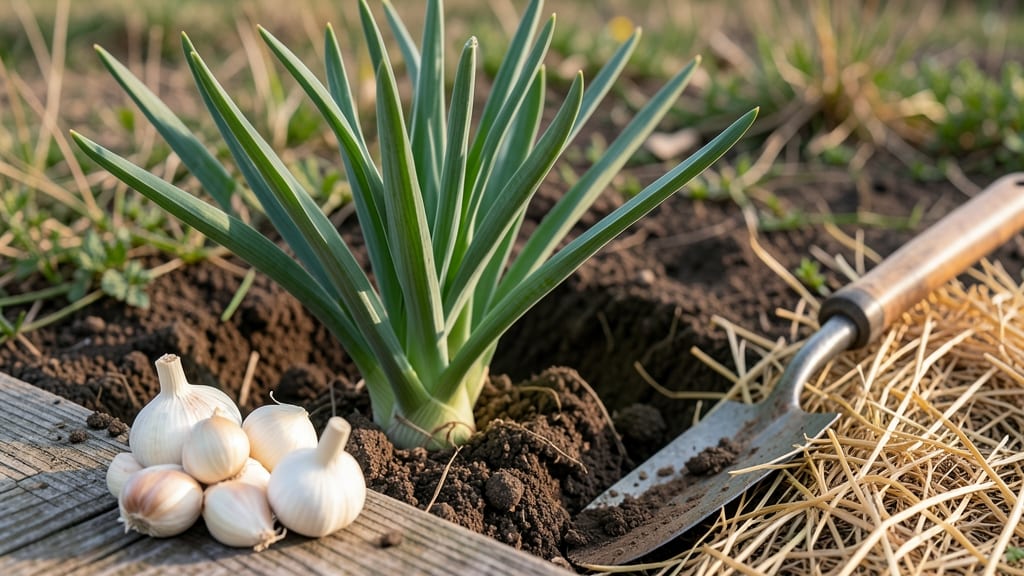
Timing is everything when it comes to growing perfect garlic in Zone 8b—plant too early, and you risk bolting; too late, and frost ruins your harvest.
The ideal window for planting 🧄 in this climate is narrow, but getting it right means the difference between bold, flavorful bulbs and wasted effort.
Most gardeners in Zone 8b swear by fall planting between October and November, when soil temps dip but frost hasn’t arrived yet. This gives garlic’s roots time to establish before winter, setting the stage for a high-yield harvest the following summer.
But what if your microclimate runs hotter or colder? I’ll show you how to adjust timing for urban heat islands, coastal breezes, or high-desert areas—so you’re never caught off guard.
Even experienced growers make one critical mistake: ignoring their garlic’s variety needs. Hardneck varieties thrive in cooler Zone 8b winters, while softnecks handle mild spells better.
I’ll break down which types work best in your area and how to tweak your schedule to avoid the dreaded bolt—because nobody wants to sacrifice flavor for timing.
Ready to grow garlic that rivals store-bought? Let’s dive into the exact steps, from soil prep to frost-proofing, so you can enjoy a bountiful harvest from June to July—and never second-guess your planting date again.
Optimal planting windows for Zone 8b garlic (with exact months)
In Zone 8b, garlic thrives when planted during the coolest months—a window that balances frost avoidance with optimal bulb development. The ideal planting time spans from mid-October to early November, giving bulbs enough time to establish roots before winter dormancy.
This timing works for both hardneck and softneck varieties, though hardnecks may need slightly earlier planting for scape production.
Zone 8b’s mild winters (average lows of 30-35°F) allow for a second planting window in late January, but this yields smaller bulbs.
The key is planting 4-6 weeks before the first hard frost (typically around December 15 in most of Zone 8b), ensuring roots establish before soil temperatures drop below 50°F.
Here’s the critical timeline for Zone 8b garlic success:
| Stage | Action | Zone 8b Timing |
|---|---|---|
| Soil Prep | Test pH (6.0-7.0), amend with compost | September-October |
| Planting | 2" deep, 4-6" apart, pointy end up | Mid-October to early November |
| Winter Dormancy | Mulch with 4-6" straw (protect from frost) | December-February |
| Spring Growth | Remove mulch, fertilize lightly (10-10-10) | March-April |
| Harvest | Lower leaves brown, upper leaves green | June-July (next year) |
For Zone 8b’s warmer microclimates (e.g., Southern California coastal areas), push planting to late November to avoid winter rains that cause rot. In high-desert regions (e.g., parts of Arizona or Nevada), plant by mid-October to escape early frosts.
Always check your local frost dates—the USDA Plant Hardiness Zone Map and Almanac’s Frost Calculator are your best tools.
Hardneck varieties like 'German White' or 'Music' need cold vernalization (40-50°F for 6-8 weeks) to form scapes, so plant them earlier in October. Softnecks like 'Silverskin' tolerate warmer winters and can be planted through December, though yields will be smaller.
Avoid planting after January 15—this risks bolting (premature flowering) due to heat stress in spring.
Pro tip: Use soil thermometers to confirm soil temps are below 70°F at planting. Warmer soils can trigger early sprouting, leading to weak bulbs. If your soil stays above 75°F, delay planting until temps drop naturally or use shade cloth to cool the bed temporarily.
Once planted, mulching is non-negotiable in Zone 8b. A 4-6" layer of straw insulates roots from freeze-thaw cycles and retains moisture during dry winters. Remove mulch in late winter (February) to allow soil to warm for spring growth.
Remember: Zone 8b’s garlic success hinges on timing + insulation. Plant too early, and you risk rot from winter rains; too late, and bulbs won’t mature before summer heat. Aim for that October-November sweet spot, and you’ll harvest plump, flavorful bulbs next summer.
How to adjust planting timing for Zone 8b’s microclimates (urban vs. rural)
Zone 8b’s diverse microclimates can drastically alter your garlic’s growing success. Urban areas like San Diego or Austin often experience heat islands that delay soil cooling, while rural high-desert zones may freeze earlier. Understanding these variations lets you fine-tune your planting schedule for bolt-free bulbs.
In urban heat islands, soils stay warmer longer. If your garden sits near pavement or buildings, plant hardneck varieties in late October or early November to avoid premature sprouting. Use black plastic mulch to warm soil faster in cooler pockets, but remove it by December to prevent overheating.
Coastal areas like Santa Barbara benefit from milder winters. Here, you can push planting to mid-November without frost risk. Monitor low-temperature forecasts and adjust if nights dip below 40°F—garlic cloves need consistent chilling to form bulbs.
Rural high-desert regions (e.g., New Mexico’s Rio Grande Valley) often face earlier frosts. Plant softneck varieties in early October to ensure roots establish before December’s first freeze. Add straw mulch (4–6 inches) to insulate cloves and prevent frost heave.
🌡️ Zone 8b Microclimate Adjustments
- Urban Heat Islands: Plant late October–early November; use black mulch to warm soil.
- Coastal Areas: Extend to mid-November; watch for 40°F nights.
- High-Desert Zones: Plant early October; add straw mulch for insulation.
- All Regions: Test soil 2–3 weeks before planting—ideal temp is 40–50°F.
For urban gardeners, consider container growing on patios or balconies. Pots heat up faster but also cool quicker—plant in October and move containers to shadier spots in winter. Use well-draining mixes (60% compost, 30% potting soil, 10% perlite) to prevent waterlogging.
Finally, leverage local weather data from services like Almanac.com or NOAA. Note your area’s average first frost date and plant 4–6 weeks prior. In Zone 8b’s variable climate, flexibility is key—adjust your schedule yearly based on actual temperatures, not just averages.
With these microclimate tweaks, you’ll outsmart Zone 8b’s quirks and harvest plump, flavorful garlic every summer. 🌱